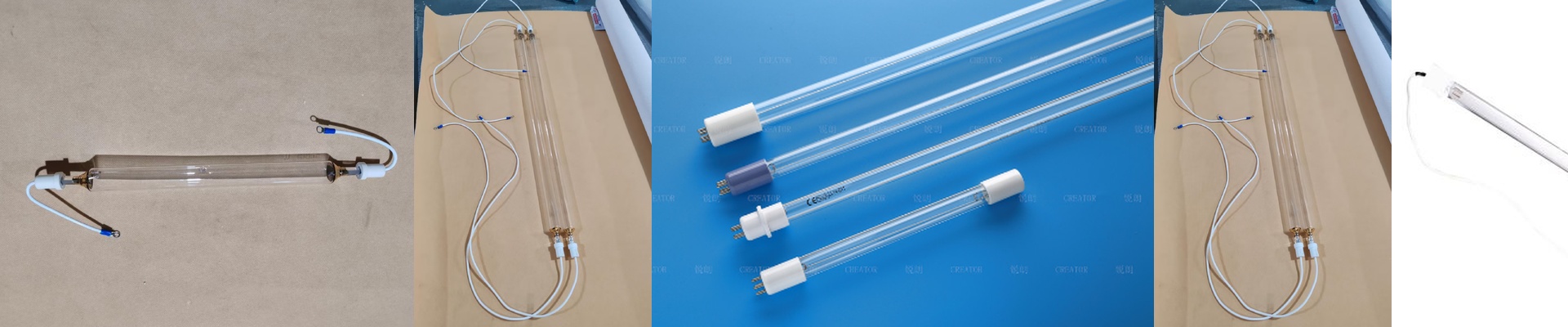
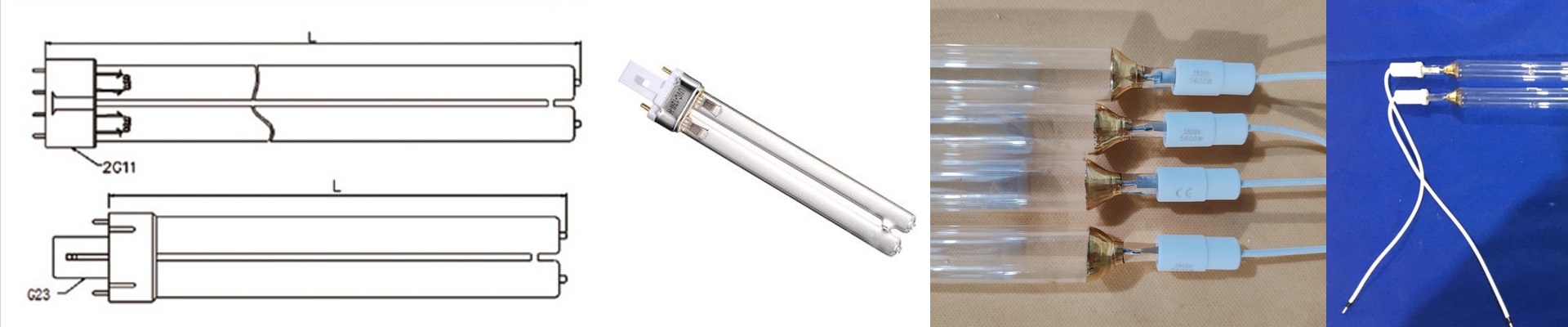
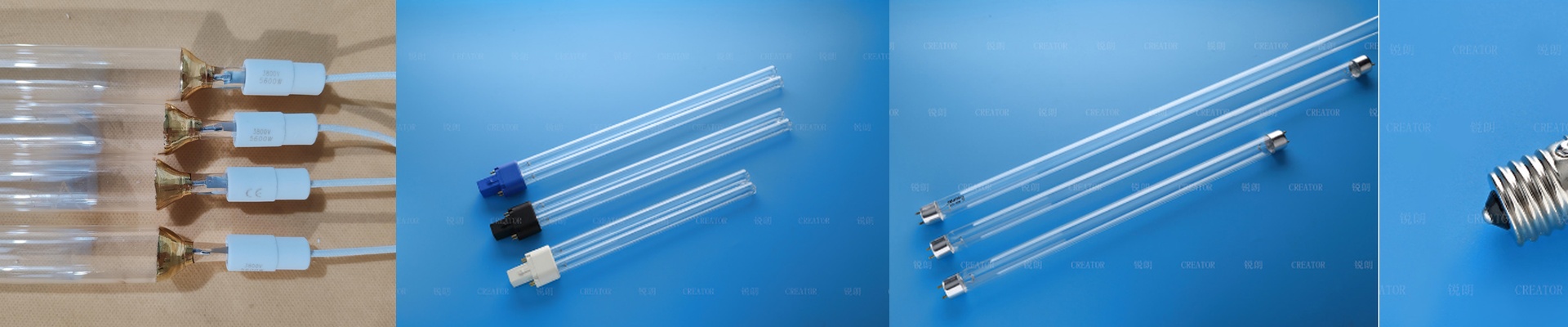
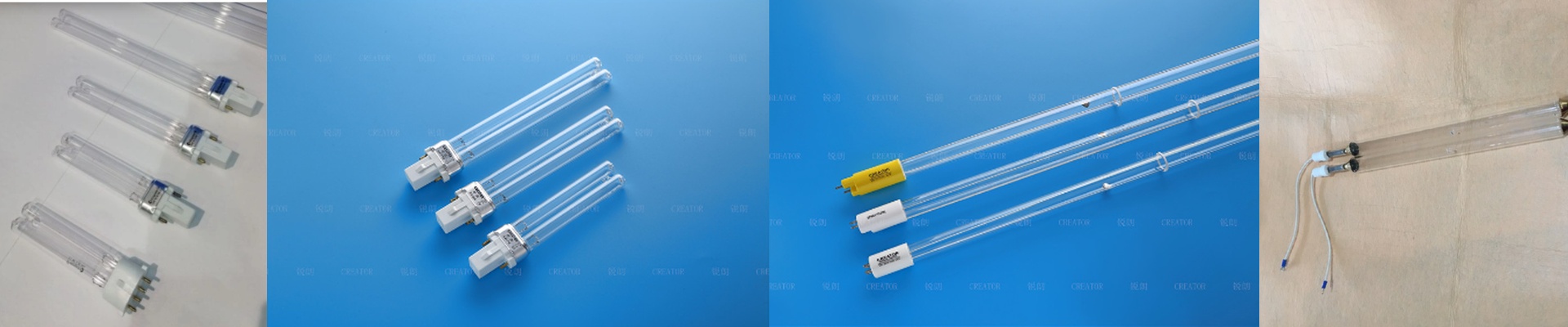
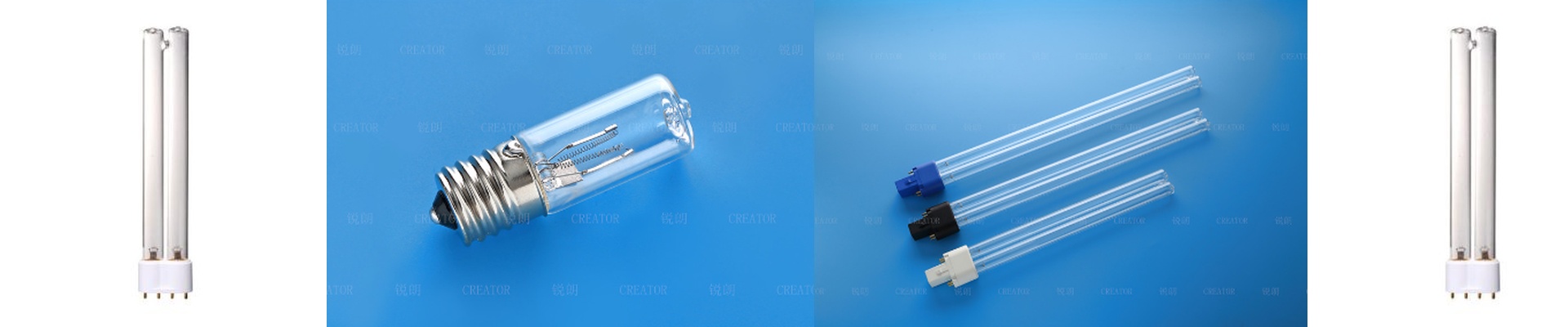
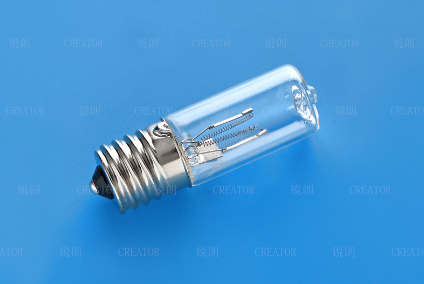
Let’s talk about the 120W/cm Mercury UV Lamp
If you’re working with UV-curable inks and coatings, you’ve probably run into the “120W/cm” spec. It sounds like a mouthful, but it’s actually pretty simple. It just tells you how much power is packed into every centimeter of the lamp. So, if you’ve got a 100cm lamp, you’re pulling 12kW. It’s a solid, mid-range power level that gets the job done without overcomplicating things.
The balance of power and heat
These mercury vapor lamps do a bit of a double-act. They hit two main peaks—254nm and 365nm. Why does that matter? Because it means the lamp isn’t just drying the surface; it’s digging deep into those thicker ink deposits to make sure everything is cured all the way through. But here’s the catch: you can’t just keep cranking up the wattage. If you push too much power into a short tube, the quartz can actually crack from the heat. It’s a nightmare. To keep things running smoothly, make sure your reflectors are sparkling clean and your cooling fans are actually moving enough air. If the tube gets too hot, you’re asking for trouble.
Getting it installed (and keeping it alive)
We use high-purity quartz glass because it lets the UV light fly right through without getting blocked. These are designed to be simple drop-in replacements for most industrial presses—no need to rebuild your whole line. One quick tip on the wiring:your ballast has to match the lamp’s current exactly. If you use a ballast that’s too powerful, you’ll fry the electrodes way sooner than you should. It’s a waste of money and a headache you don’t need.
Real-world use for smaller shops
I know that for a lot of small print shops, custom UV setups are way too expensive. That’s why we stuck with this 120W/cm footprint. It fits into the machinery you probably already own, whether you’re doing PET curing, textiles, or just drying some varnish. Just remember—these aren’t LEDs. You can’t just flick a switch and get full power instantly. They need a bit of time to warm up. Plan your production runs around that ramp-up period so you aren’t just burning electricity while you wait for the lamp to wake up.