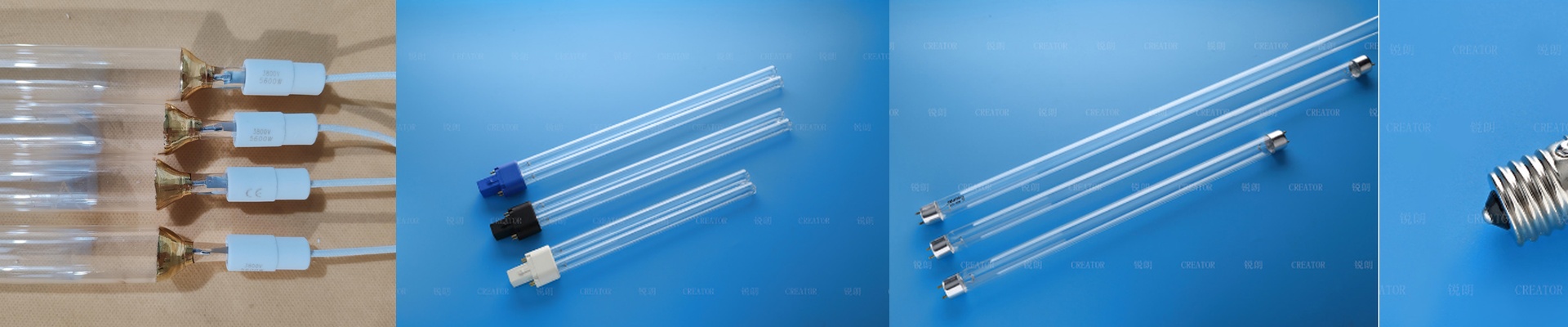
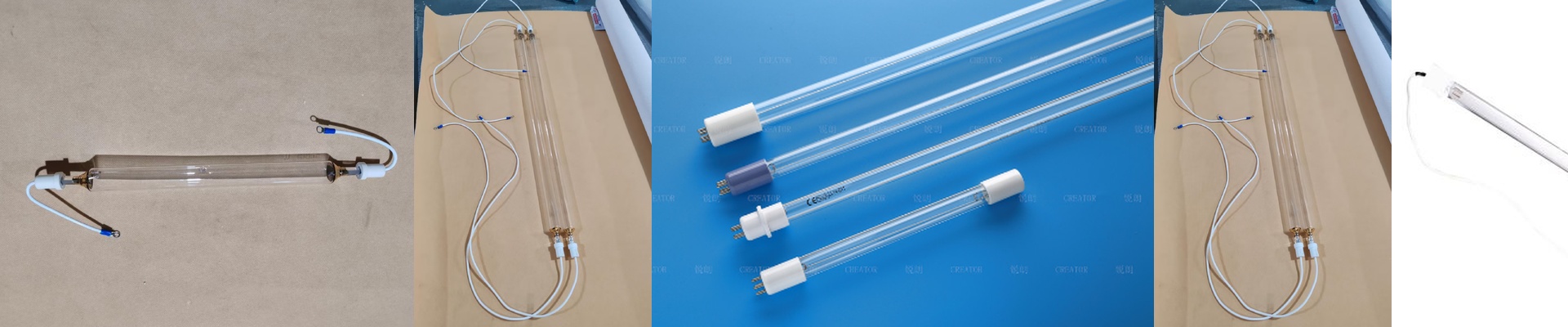
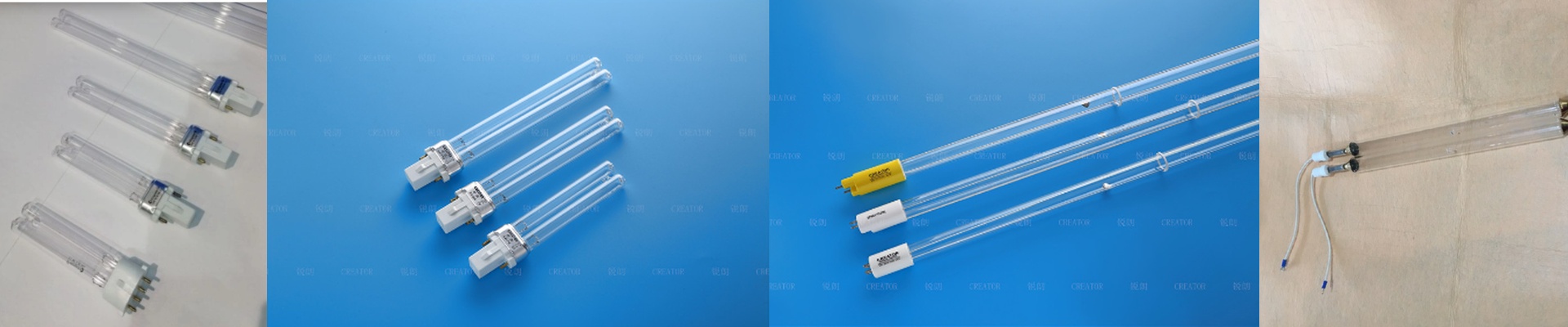
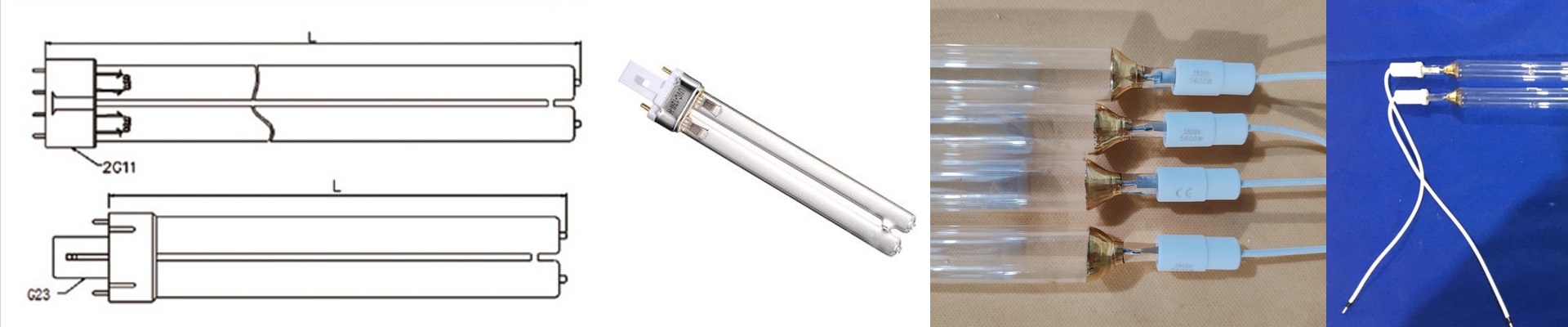
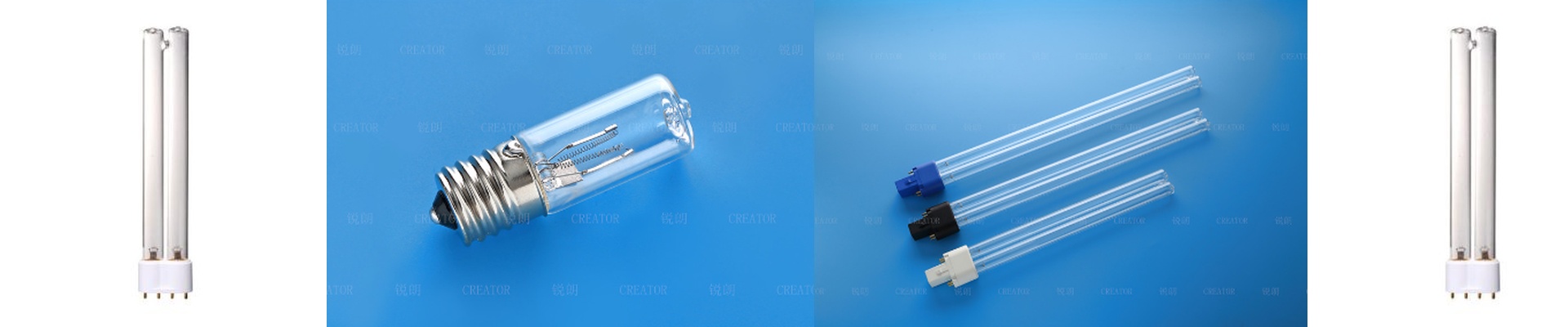
In a small-to-mid shop, downtime and a weak cure eat your margins while you’re busy quoting the next job. When the UV lamp isn’t pulling its weight, colors go flat, adhesion falls apart, and the reject pile grows fast. We built this to give shops dependable, high-spec curing—without forcing anyone to trade quality for budget.
What actually matters under the hood
High-pressure mercury vapor lamps give you broad spectral output, with the output typically peaking around 365nm and strong intensity across the UV-A band. That breadth hits photoinitiators in a lot of formulations, so you get deep cross-linking even with thicker ink films and when you’re running irregular substrates. We design these mercury systems to hold stable peak irradiance, keep spectral drift low, and deliver a long, predictable output curve. Matched to the right reflector and power supply, you can expect 5,000+ hours with less than 5% drop in intensity. UV LED systems, on the other hand, run narrowband—commonly 365nm, 385nm, or 405nm—and deliver consistent photon flux with fast, low-heat curing. The energy density is tight, and lamp life can top 20,000 hours with minimal output decay. For thin layers and high-speed runs, LEDs give you precise control over the curing window, and the instant on/off removes warm-up variability.
Why this works where you run it
If your floor is running UV offset, flexo, or screen, the choice comes down to what fits the chemistry and the process. Mercury lamps handle a wide mix of ink types and heavier deposits, which gives you room to breathe when formulations shift. LEDs cut energy draw and maintenance, and they support fast changeovers with consistent color over long runs. Either way, you need spectral consistency to hit your target cure energy—measured in mJ/cm²—without hot spots or undercured edges.
The practical details that keep it honest
Match the light source to the ink. Mercury lamps demand proper reflector alignment and ozone management. LEDs require tight voltage and thermal control to hold wavelength stability. Check your printer’s lamp housing dimensions and reflector geometry before you spec anything. Start with a radiometer to baseline irradiance and energy density, then dial in speed and power. If you run mixed work, a hybrid setup can make sense: mercury for heavy build-ups, LED for high-throughput flat work. That balance keeps flexibility and uptime where you need them.