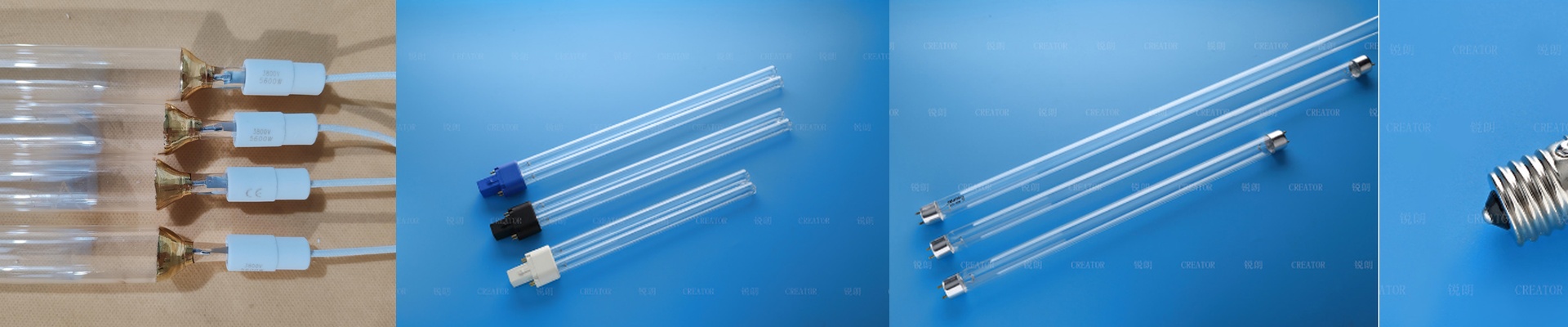
Getting the Most Out of Our 80W/cm Mercury UV Lamps
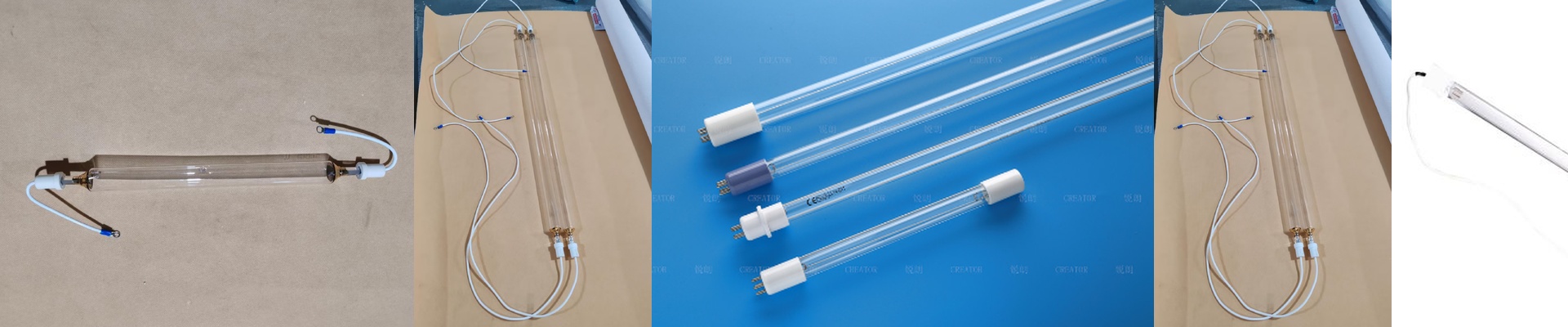
We build our standard mercury lamps to hit 80 Watts per centimeter. Now, that’s not just a number we pulled out of a hat. When you’re curing or sterilizing, everything comes down to how many photons are actually hitting your surface. If that wattage dips, your line speed crawls. And in this business, a slow line is a losing line.
The Heat and the Power
Hitting 80W/cm means we have to be really careful with the arc discharge. We use a high-pressure mercury vapor fill so you get those strong peaks at 254nm and 365nm. Those are the wavelengths that do the heavy lifting, breaking the molecular bonds in your photoinitiators. But here is the catch:this much power creates a lot of heat. To keep the electrodes from frying, we use a quartz envelope that can handle some serious temperature swings. You get a concentrated beam of energy, but the lamp runs hot. Really hot. Make sure your cooling fans or water-jackets are up to the task. If they aren’t, your quartz will degrade way faster than it should.
Why the Glass Matters
The quartz glass is basically the gatekeeper. We use high-purity fused silica because we want to avoid “solarization.” You know that cloudy, milky look some lamps get after a few hundred hours? That’s solarization. It’s a nightmare because the glass starts absorbing the UV light instead of letting it pass through. We’ve seen people try to save a few bucks with lower-grade quartz, but they end up replacing lamps way too often because the intensity just tanks.
Setting It Up Right
These are designed to be simple drop-in replacements for your industrial UV arrays. When you’re wiring them up, just double-check that your ballast can handle the startup surge. If the ballast isn’t a good match, the arc will flicker. That might not seem like a big deal, but it eats away at the lamp’s lifespan. And one last tip:watch your alignment. If you’re working in a tight space, be obsessive about the reflector. Even a tiny 2mm shift in where the lamp sits can seriously kill the amount of energy hitting your product. A little tweak here can make a massive difference in your results.