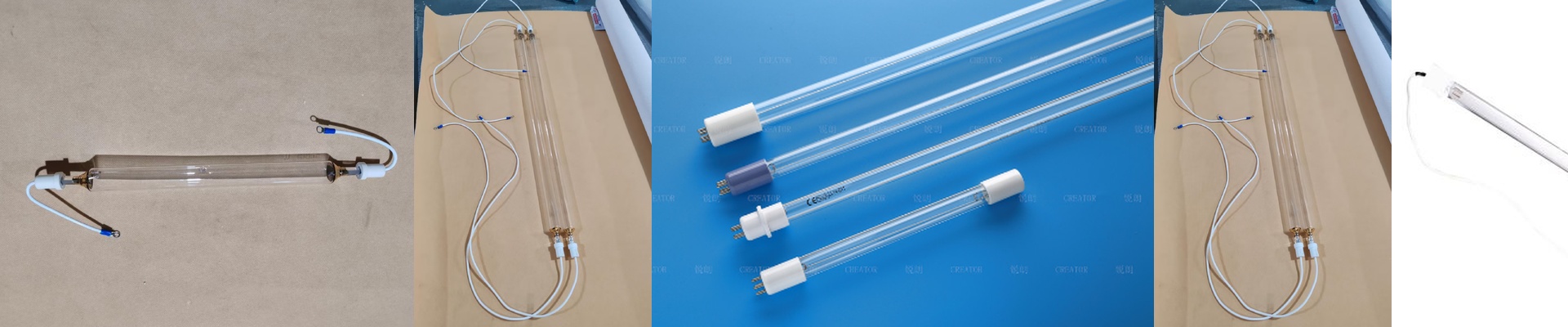
Getting Your UV Curing Right (Without the Headaches)
We aren’t just here to ship you a box of UV lamps and call it a day. That’s not how this works. If you’re running an industrial line, you know the UV station is usually where everything either clicks or falls apart. One wrong setting and you’re staring at ink that won’t dry or, worse, substrates that are literally scorching.
The Balancing Act: Power vs. Heat
Here is where a lot of people get tripped up: trying to match wattage to line speed. Sure, a higher wattage lamp lets you crank up the conveyor and push more product through. It sounds like a win. But there’s a catch. All that intensity brings a ton of heat. If you throw a high-power lamp into a system without beefing up your cooling blowers or water jackets, you’re going to warp your PET or PVC. It’s a delicate balance. We help you find that sweet spot—the right “dose”—so your ink cross-links perfectly without melting your materials.
The Nitty-Gritty of Hardware
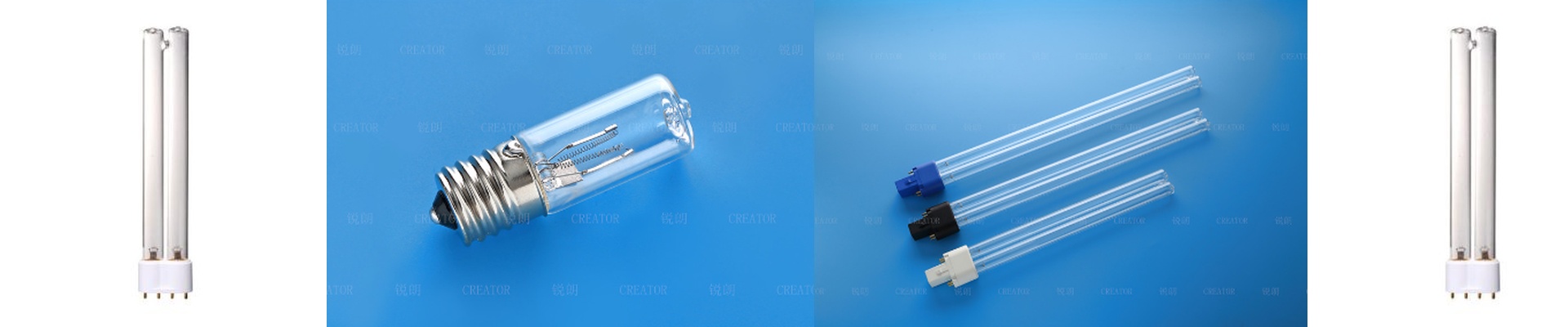
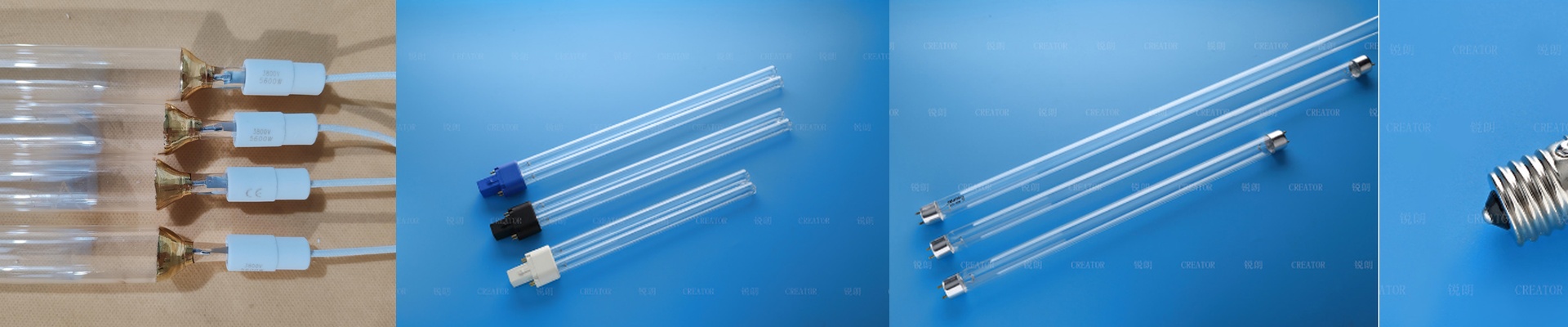
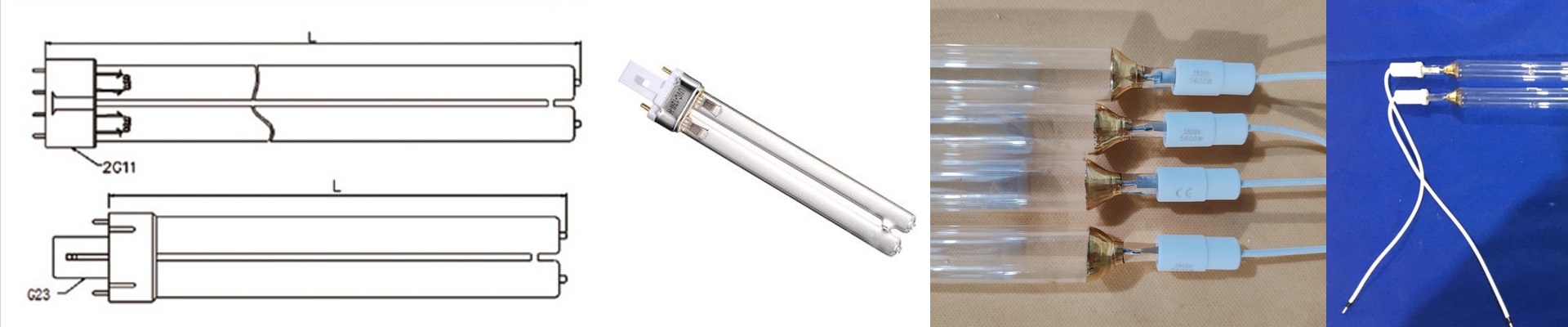
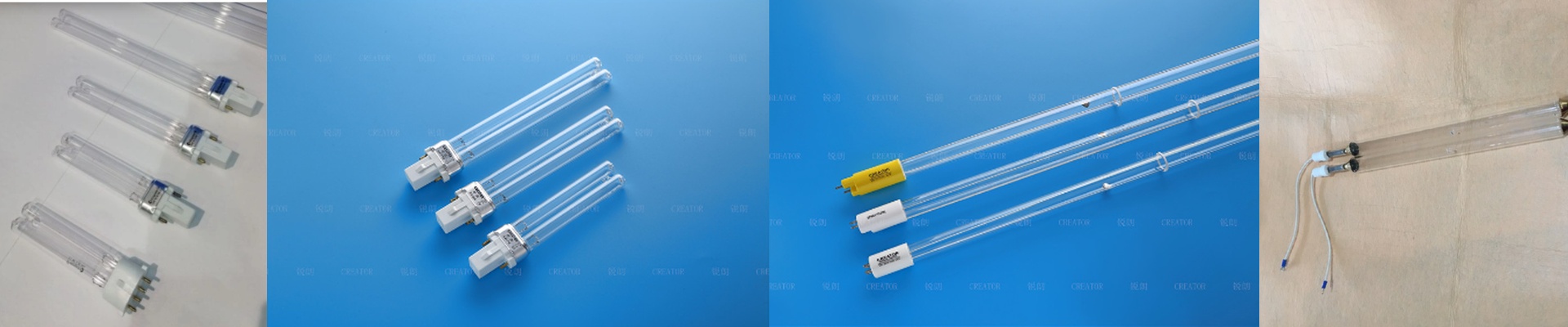
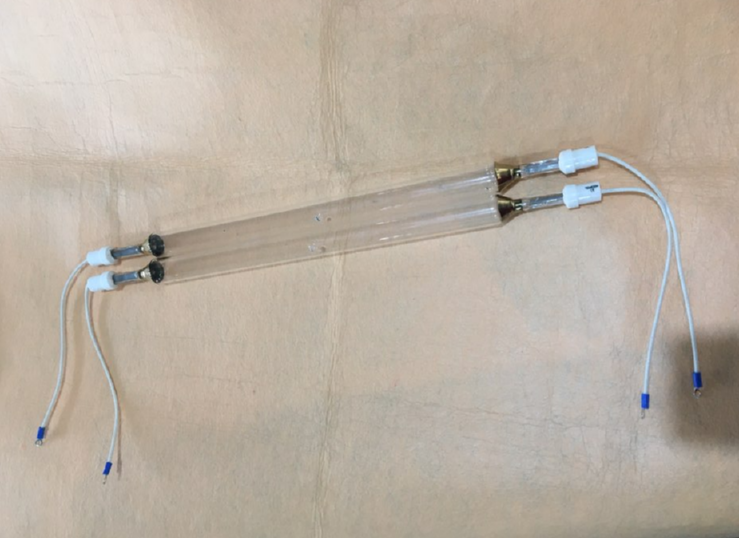
The wrong connector or a sloppy fit is a recipe for downtime. Whether you’re dealing with standard R7s or those specialized SK15 bases, it has to be a tight fit. Why? Because loose connections cause arcing. That’s the spark that burns out your socket and kills a perfectly good lamp way too early. Then there’s the light itself. You can pump as much power as you want into a system, but if the wavelength doesn’t match the photoinitiators in your ink, it won’t work. The ink stays tacky. Period. We make sure the spectral output actually talks to your ink.
Tuning Your Line
We look at your UV station as a moving part of the whole process, not a static piece of gear. One thing we always check is the distance between the lamp and the substrate. If you move the lamp closer, you get more intensity, but your “cure zone” gets narrower. You end up with these annoying cold spots where the ink just doesn’t set. We’ll help you map those spots and kill them off. When every inch of the print is cured the first time, you can finally stop relying on those clunky secondary drying stages. It just flows better.