Getting UV Lamps Right in Your Textile Mill
When you look at a finished garment, you don’t see the UV lamps. But they’re basically the secret sauce that makes the whole thing hold together. We aren’t talking about light bulbs here—we’re talking about the sparks that trigger chemical bonds to lock in place.
What you actually need to look for
Textile lines move fast. Like, really fast. You can’t have your lamps lagging or taking forever to warm up, or you’re just wasting time. Depending on what you’re doing, you’ll need a specific wavelength. UV-A is your go-to if you need the light to soak deep into the fabric. UV-C is more about hitting the surface for quick curing or cleaning things up. Then there’s the power. If your wattage is too low, you’ve got a problem. The ink or coating won’t dry before the fabric hits the roll. That leads to “blocking”—which is basically a fancy way of saying your fabric is smearing and ruining the batch. Sure, you can just crank up the wattage to fix that. But be careful. High wattage puts a lot of pressure on your electrical panels and throws off a ton of heat.
Dealing with the grime and the wear
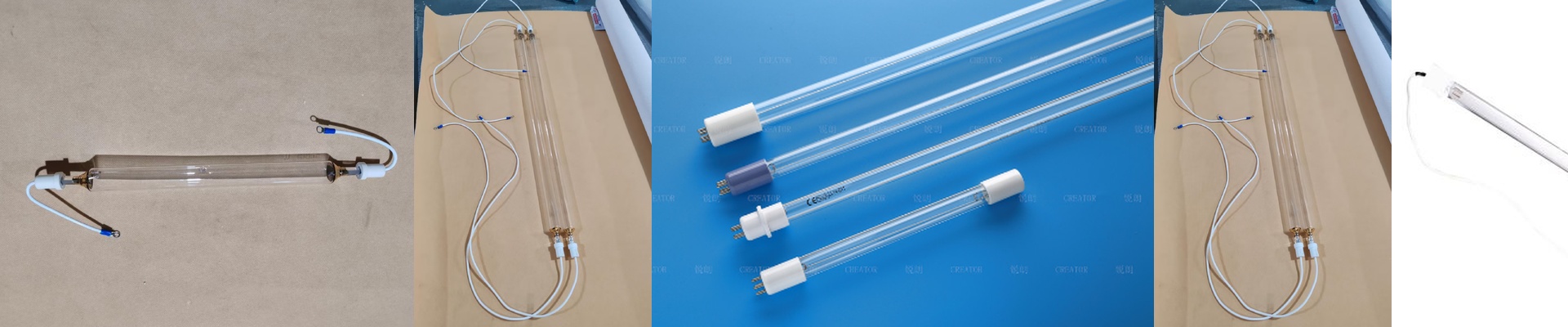
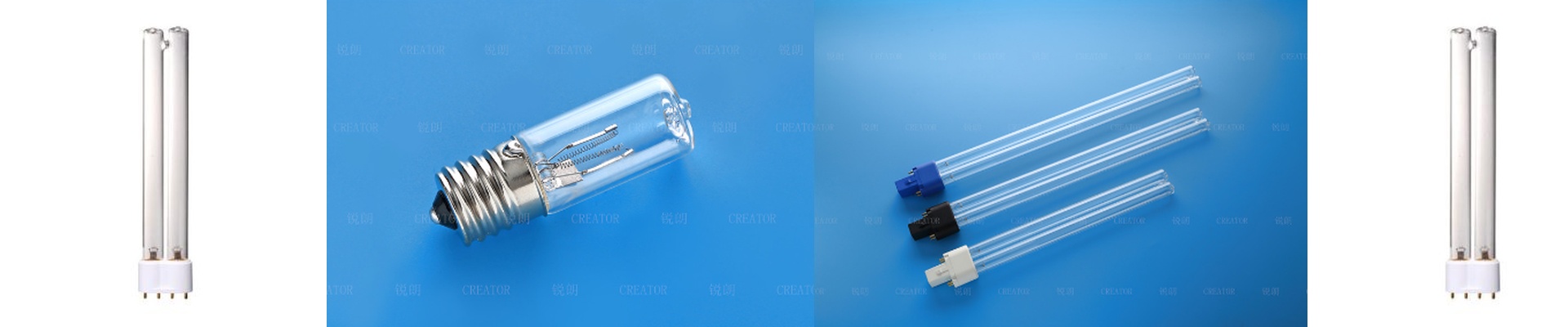
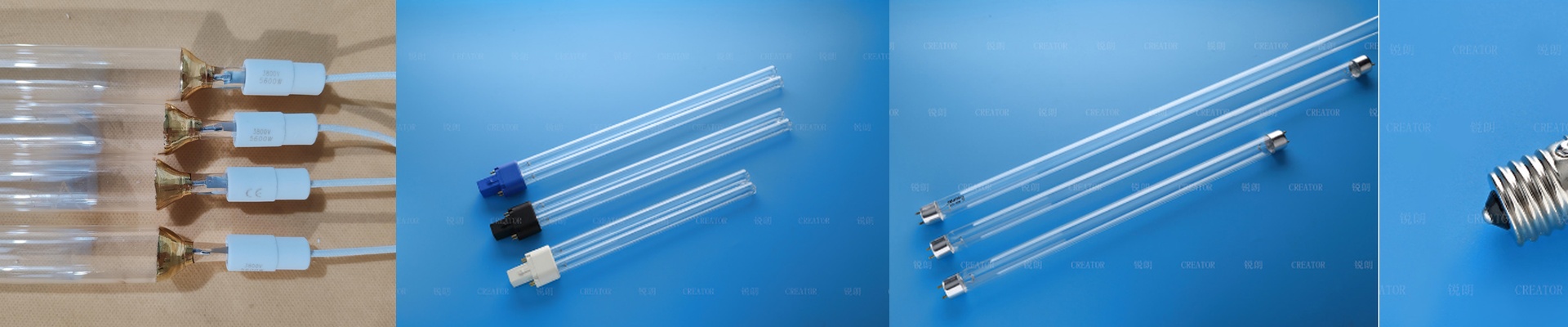
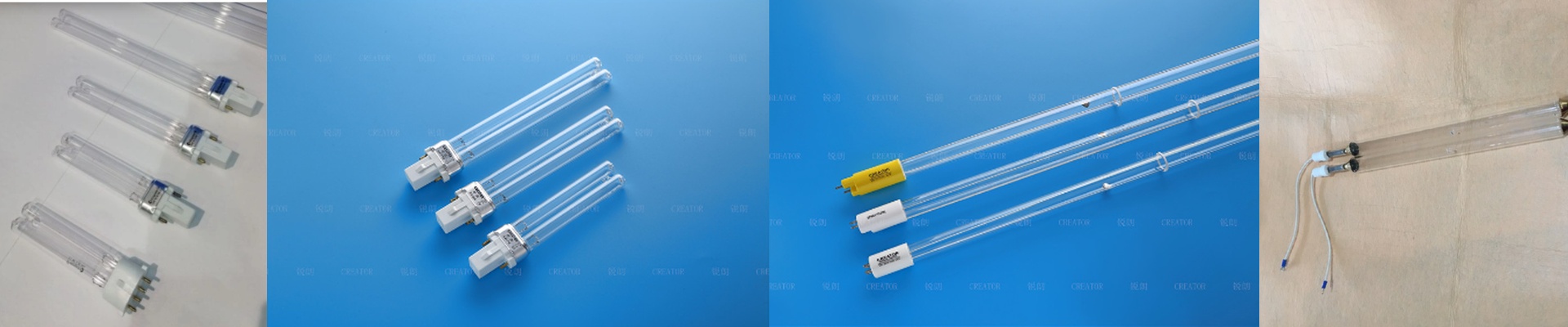
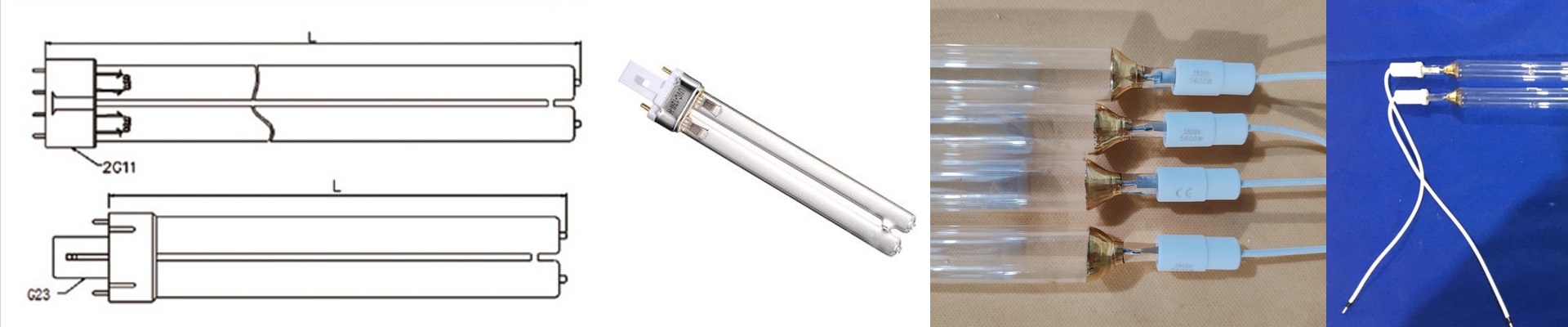
Most of these lamps use fused quartz because it lets the UV light through without blocking it. But let’s be honest: garment factories are messy. You’ve got dust, lint, and chemical spray flying everywhere. Your lamps are going to take a beating. When a lamp finally gives out—or just stops hitting the power levels you need—you want a replacement that just fits. No one has time to rewire a whole rig just to swap a bulb. One tip: keep a log of your hours. Here’s the tricky part: mercury vapor degrades over time. The lamp might still look bright to your eyes, but the chemical reaction it’s supposed to trigger has stopped. You’re basically running a light bulb that does nothing.
The balancing act
It’s tempting to just push the intensity to the max to speed up production. But there’s a catch. Too much heat, and you’re risking scorched fabric or a warped lamp housing. It’s a bit of a tightrope walk. You have to find that sweet spot where the cure happens fast, but the fibers don’t melt or burn. If you’re pushing the limits, make sure your cooling jackets and exhausts are actually doing their job. Otherwise, you’re just trading a speed boost for a pile of ruined fabric.