Getting the UV Cure Exactly Right: The 0.5% Difference
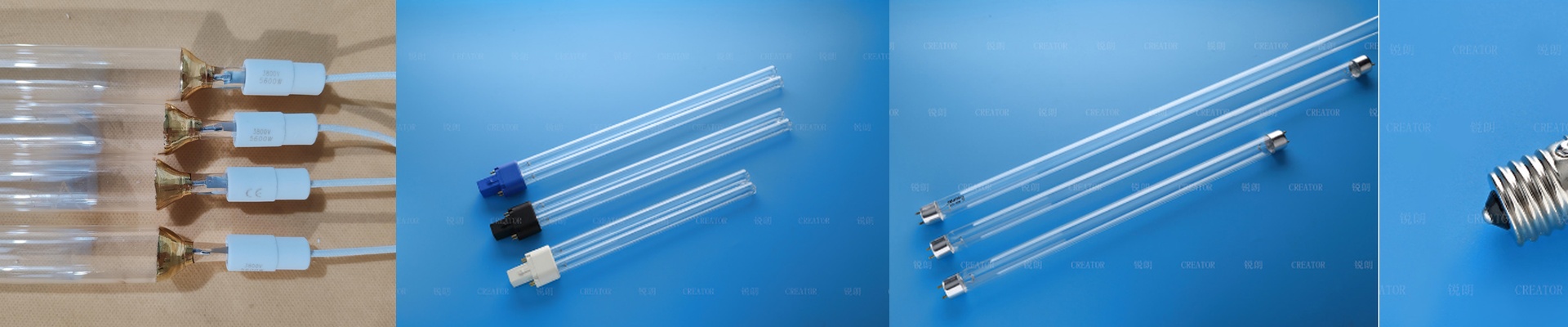
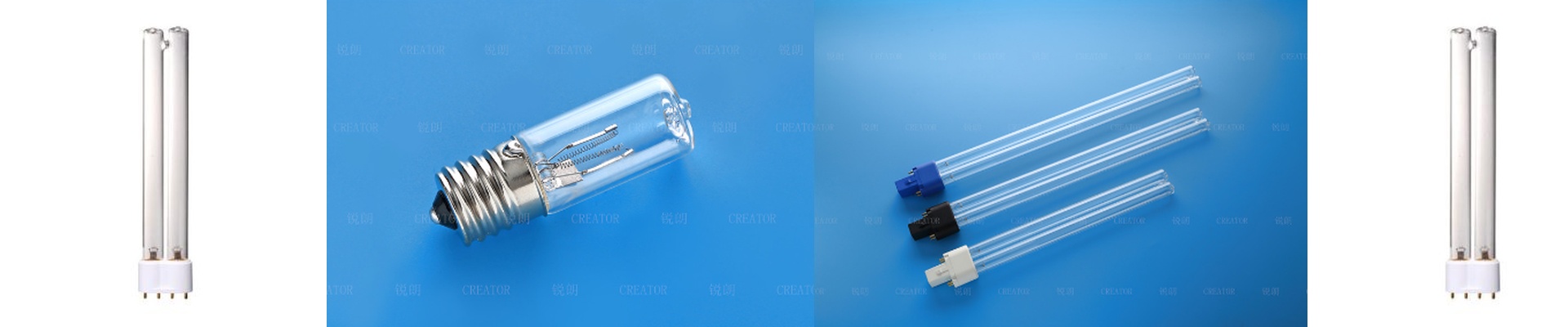
Most mercury UV bulbs are “close enough.” They put out the radiation you need for photopolymerization, but the spectral output can swing all over the place. We spent our R&D time obsessing over that swing, narrowing the window down to a 0.5% energy concentration. Why bother? Because “close enough” usually means you’re dealing with sticky, under-cured surfaces on one end and scorched substrates on the other. It’s a headache nobody needs.
The Secret is in the Tightness
It all comes down to the gas pressure and how pure that mercury fill is. If the fill is off by even a tiny bit, the peak emission shifts. To fix this, we got aggressive with the tolerances. We tightened up the quartz envelope wall thickness and tweaked the internal gas mix. The result? The UV energy hits the target wavelength consistently from one end of the tube to the other. No more “cold spots” on your conveyor. Just a uniform cure, every single time.
The Trade-off: Heat
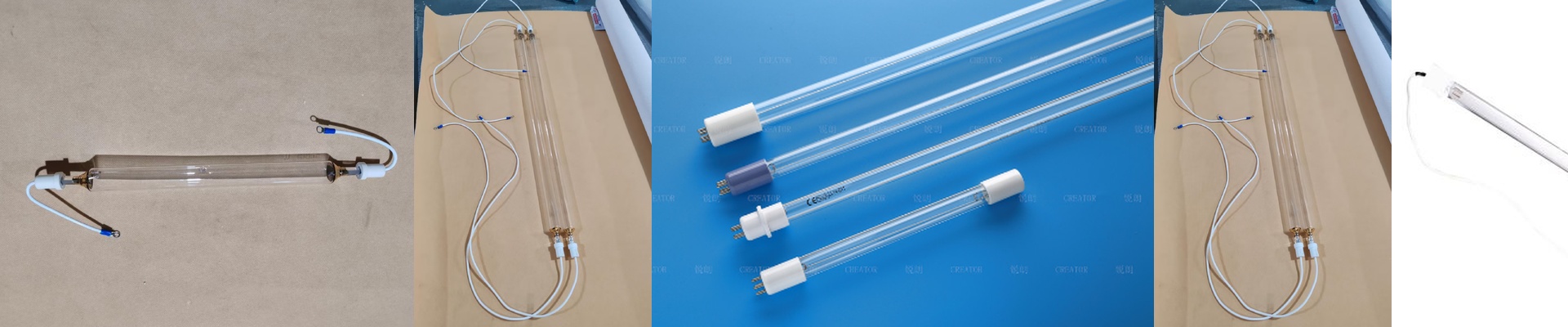
We use high-purity fused quartz so the glass doesn’t soak up the UV light. We also spec’d the electrodes to stop sputtering, which keeps the glass clear and stops the bulbs from burning out early. But here’s the catch: high spectral density creates a lot of heat. When you concentrate energy like this, the lamp runs hot. Really hot. You can’t just toss these into a system with a dying cooling fan or gunked-up water jackets. If your cooling can’t handle the thermal load, the quartz will stress and your lamp life will tank. Keep it cool, and you’re golden.
Making it Work on the Floor
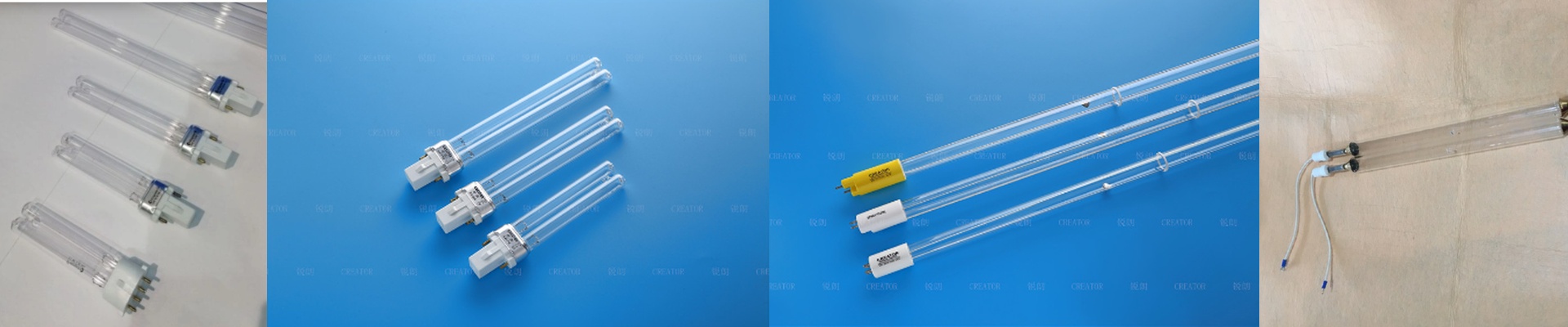
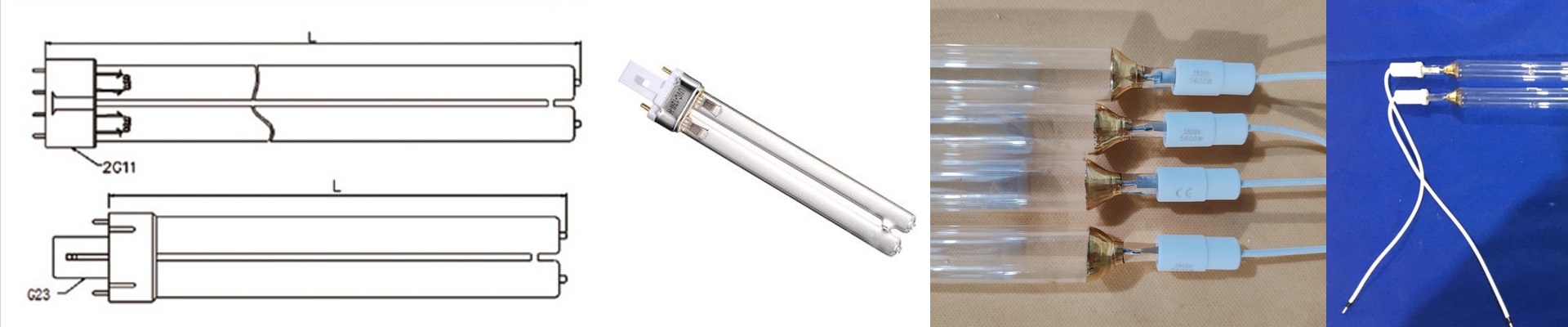
These are designed to be drop-in replacements. We spent a lot of time on the fitment because light leakage at the ends is a waste of energy. Plus, when they seat properly in the sockets, you don’t have to worry about arcing or your power supply tripping mid-shift. For the engineers, it just means the cure times are predictable. Fewer rejected parts, less waste, and a much smoother production run.