Getting Your UV Curing Right with High-Pressure Mercury Lamps
If you’ve ever pulled a sheet off the line only to find the ink is still tacky or, worse, smudging across the page, you know the frustration. It usually comes down to the lamps. High-pressure mercury lamps are the heavy lifters here—they provide the raw UV punch needed to make those inks and coatings actually set. But getting a perfect cure isn’t just about flipping a switch.
It’s all about the light and the power
Here is the thing: these lamps work by creating a plasma arc. We set them up to throw a wide spectrum of UV light, hitting both the UVC and UVB ranges. Why? Because you need the ink to dry on the surface and deep down at the same time. If your wattage is too low for how fast your line is moving, you’re looking at “under-cure.” That’s when the ink peels or smears, and suddenly your whole batch is scrap. It’s a nightmare.
The hardware side of things
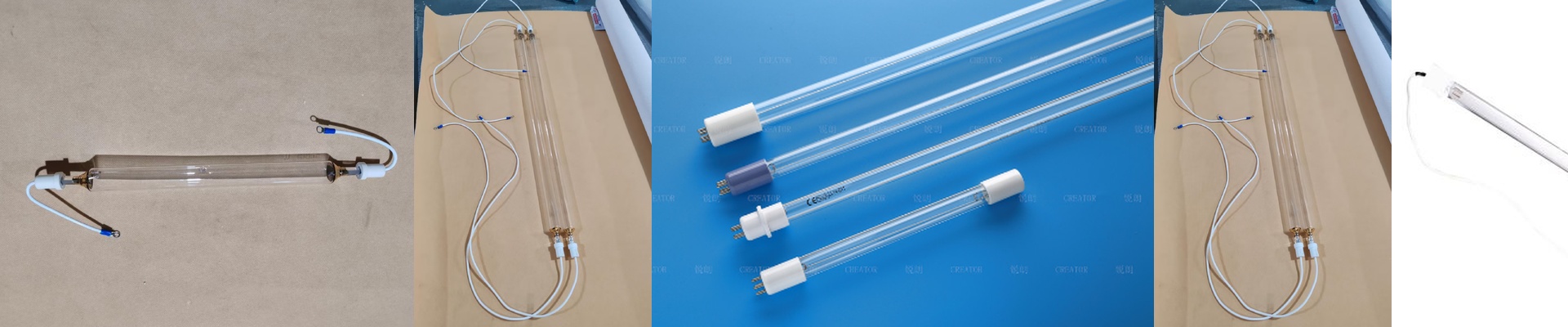
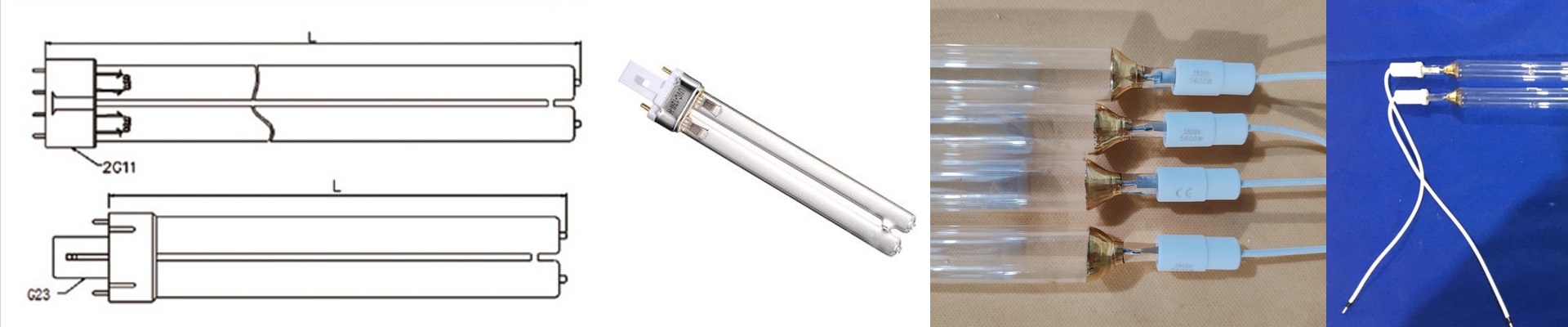
Placement matters. A lot. If your lamp is off by just a few millimeters from the reflector’s focal point, you lose a huge chunk of your power. It’s a tiny gap, but it makes a massive difference in how the ink sets. We use quartz glass because the heat inside that arc is intense—regular glass wouldn’t stand a chance. And speaking of heat… you’ve got to keep these things cool. These lamps dump a ton of infrared heat along with the UV light. If your fans or chillers aren’t up to the task, the quartz envelope will stress out and burn out way sooner than it should. It’s basically like running an engine without oil.
Making it work in the real world
In a busy print shop, the curing lamp is often the bottleneck. Everything slows down to wait for the ink to dry. That’s why we don’t just hand you a tube and wish you luck. We look at how thick your ink is and how fast you’re running your machines. You can buy a cheap replacement lamp that fits the socket, but if the light it puts out doesn’t play nice with your photo-initiators, that ink just won’t set. We’ll help you get it wired up and tweak the power settings. The goal is to find that sweet spot where the ink cures instantly, but you aren’t wasting a fortune on electricity.