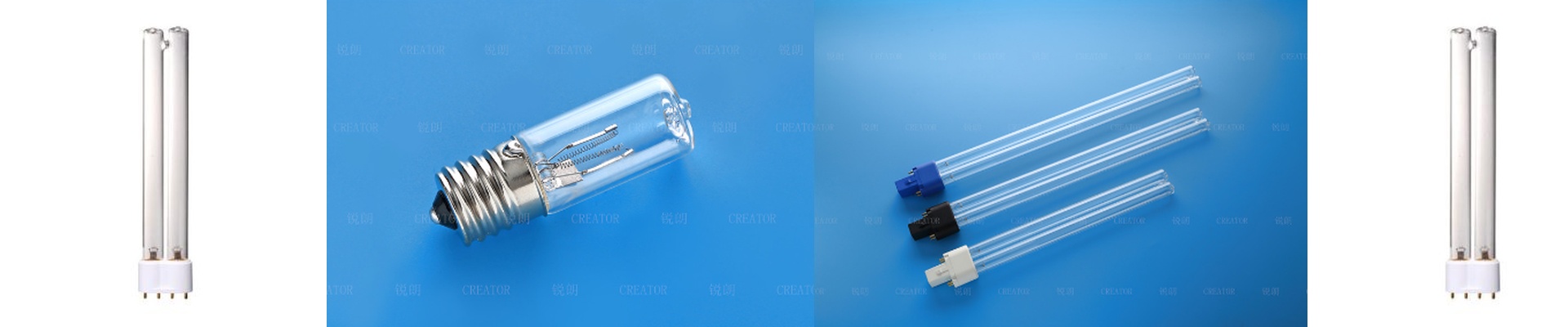
The Quest for 0.5% Spectral Energy Concentration
In industrial heating, you can’t afford to be close. It’s either right, or it’s not. So when we set our sights on hitting 0.5% spectral energy concentration for our Mercury UV lamps, it wasn’t just about chasing a number. It was about making sure you get the same reliable output, every single time. To get there, we went back to the drawing board. We tweaked and tightened everything that impacts spectral purity, from the purity of the quartz itself to the design of the electrodes.
Power, Voltage, and Dimensions: The Nitty-Gritty
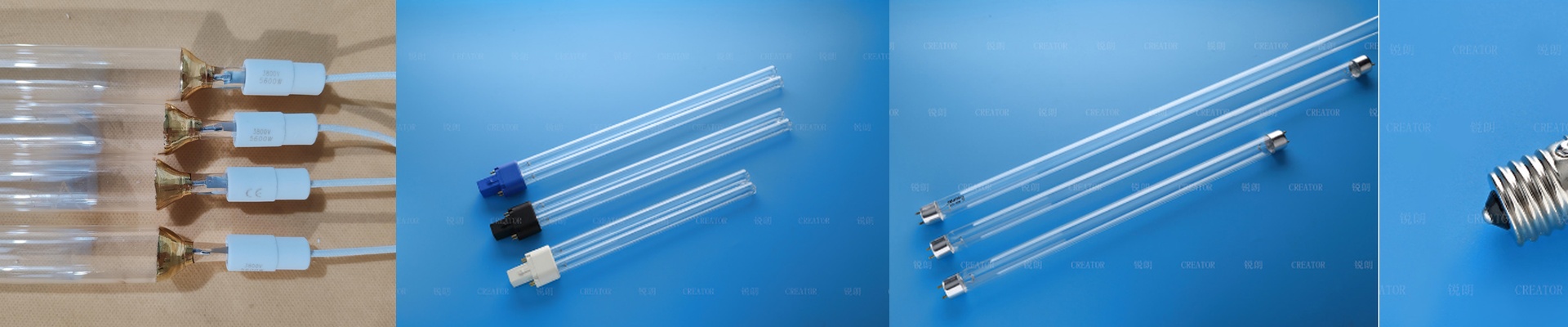
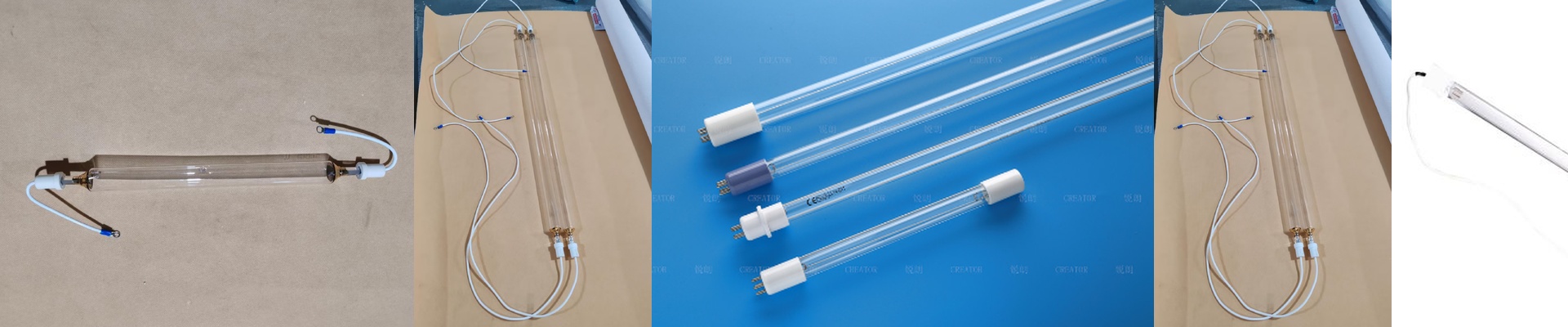
We built these lamps to play nice with industrial power systems, so we spec’d them with precise voltage and wattage. They run at a high voltage—usually 400V—to push that arc efficiently through a compact 300mm tube. That small footprint gives you a ton of energy density, but it means you need a power supply that can truly handle it. The 2500W rating is there for one reason: to get you up to temperature fast and keep things running steady. But here’s the thing—packing that much power into a small space creates heat. So you’ll need a cooling system that’s up to the task, one that can manage the heat buildup inside your machine housing.
What’s Inside: Quartz, Coating, and Connectors
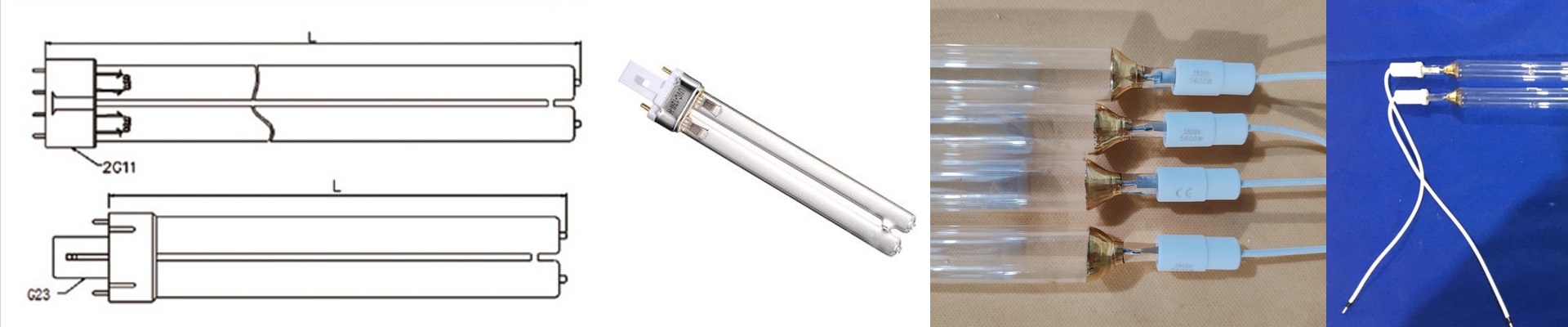
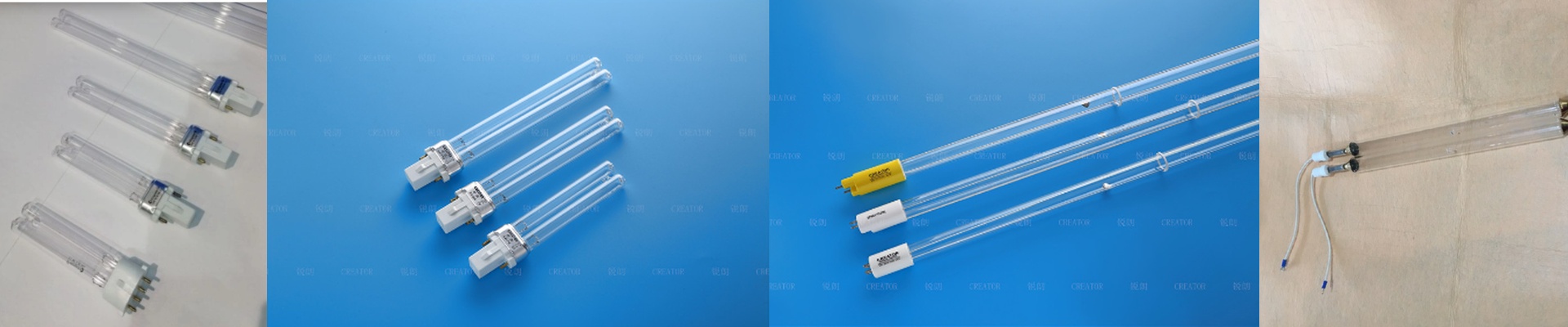
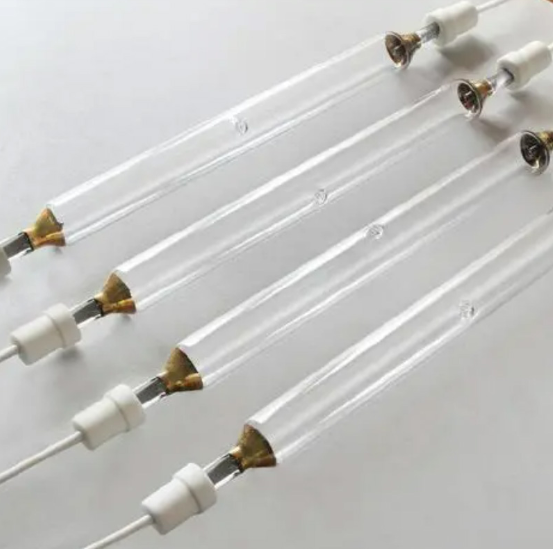
At the heart of it all is high-purity quartz. We chose it because it’s crystal clear to UV light and stays rock-solid even when things get hot. Then we added our own proprietary coating. It acts like a filter, sharpening the peak and blocking out the wavelengths you don’t want. The electrodes are engineered to sputter less, which keeps the inside of the tube clean and keeps your output strong over time. And for the connection, we use an R7s connector. It gives you a solid, two-ended contact that handles high current without creating hot spots. It’s a straight drop-in for most standard fixtures, so you can wire it up quickly and count on a smooth ignition, cycle after cycle.
Built for the Grind: Where It Shines
These lamps were made for the tough stuff—curing lines, activating adhesives, surface treatments. That 0.5% spectral energy concentration is what gives you repeatable results, shift after shift. In the real world, that means your line can run faster, and you see fewer rejects from material that didn’t cure right. It can handle the heat cycles and the vibration, but it still needs proper alignment and clean airflow to avoid burning out too soon. We built it to take a beating. But just like any high-energy device, it needs a system around it that can keep pace.