Introduction
Picture a wood flooring line, moving at full speed. The goal? A finish that’s tough and glossy—one that looks good and lasts. That takes more than just the right lacquer. It takes the right kind of energy, delivered the right way, right when you need it. We built our mercury UV lamps for exactly that moment. They throw out a concentrated blast of shortwave light that cures the coating instantly on hardwood. The chemistry gets locked in fast, and the finish shows up ready.
Power and Output: The Heart of the System
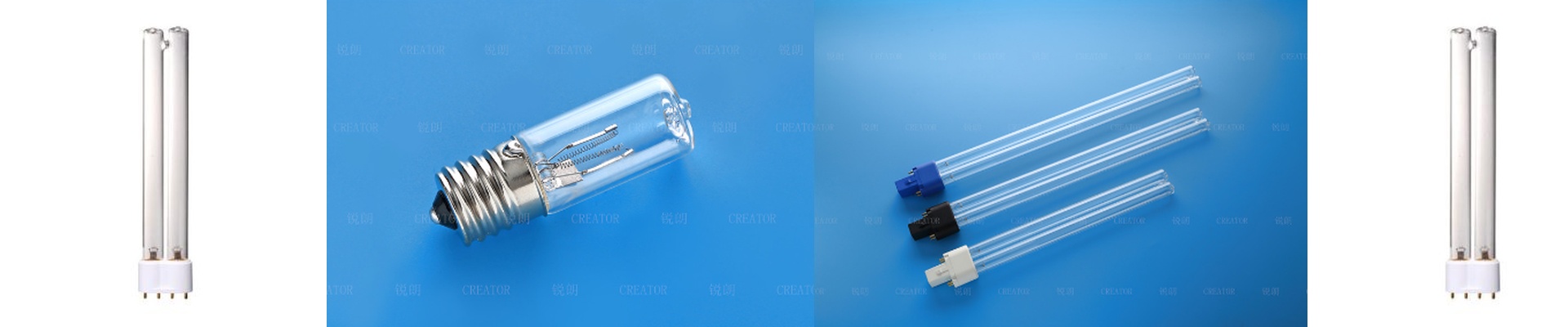
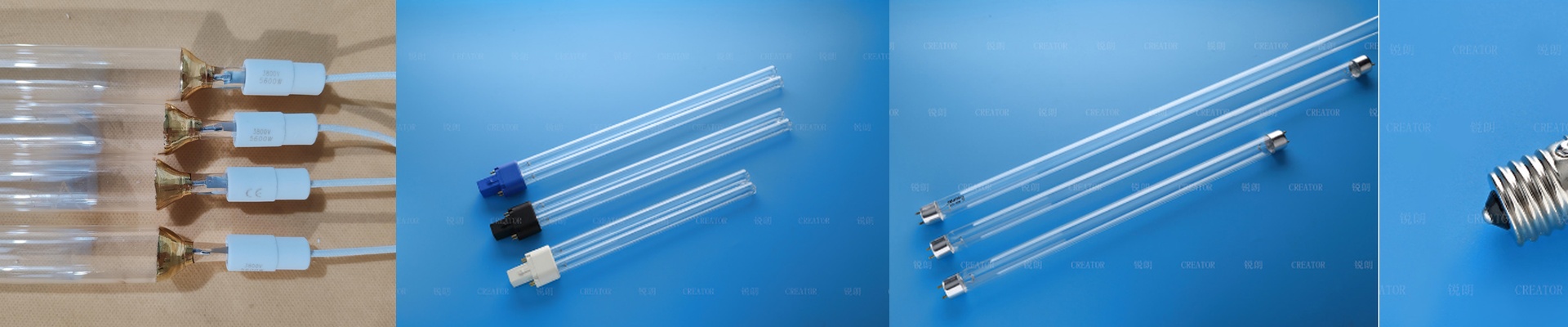
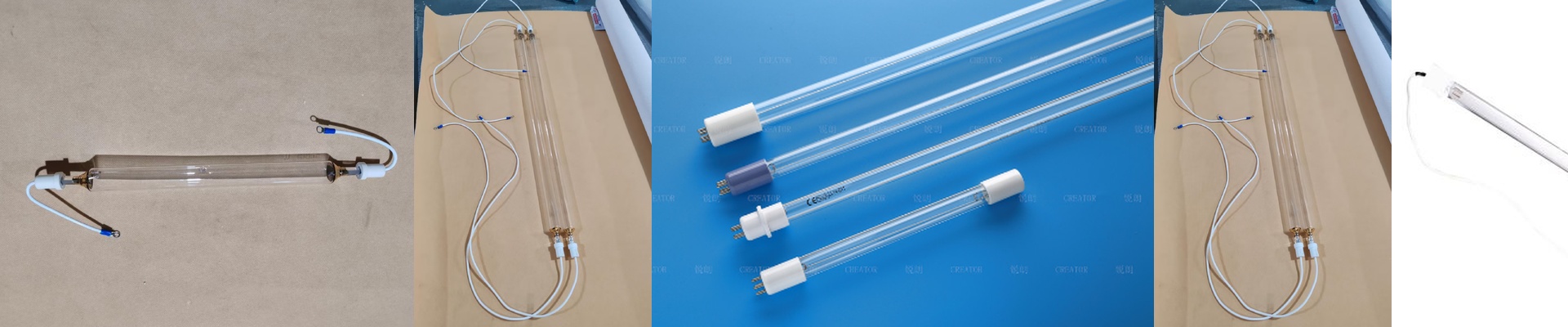
At the core is a serious workhorse: a 2500W mercury UV lamp. That wattage isn’t for show. It creates the kind of intense energy density that can push through thick coatings and fully cross-link the polymers. No half-done job. Because it runs that hard, it needs a 400V electrical input. That voltage keeps the arc stable along the full length of the lamp, so you don’t get flicker or dips that leave you with uneven curing. And the size? We engineered it to drop straight into standard industrial curing chambers. No reworking your line footprint. It goes in clean, and you get back to work.
Material and Design: Built to Handle the Heat
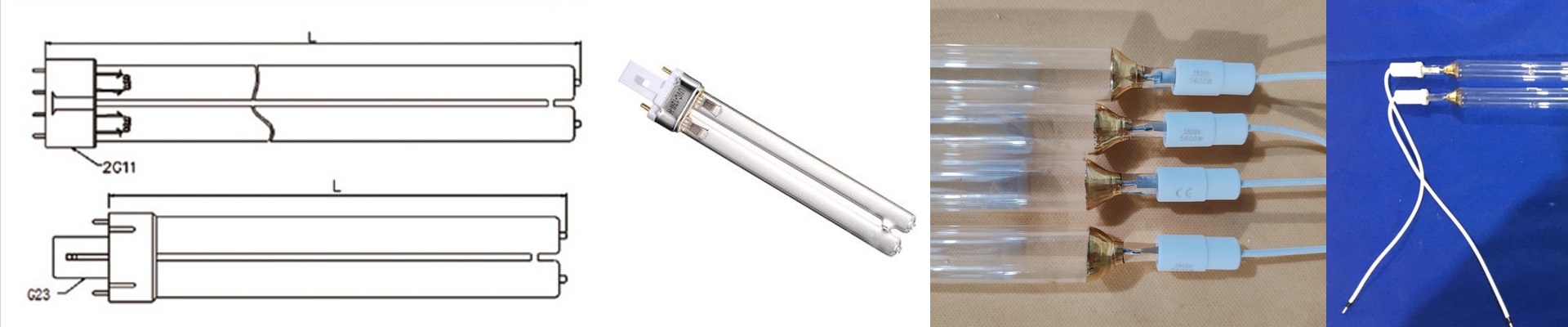
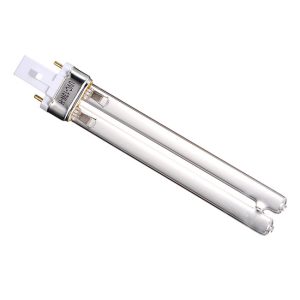
Here’s the thing about this kind of power—it gets hot, and it cycles on and off. So the materials matter. The lamp uses a high-purity quartz envelope, chosen specifically to handle extreme thermal shock from repeated starts and stops. Inside, the mercury amalgam is dosed precisely, so output stays steady over the life of the lamp. And the connector? The R7s double-ended design is the unsung hero. It gives you solid, two-point contact that can carry high current without overheating. Wiring stays simple, and swapping lamps is quick. In practice, that means less downtime and less headache when it’s time to maintain the line.
What It Delivers—And What to Watch For
When it runs right, you can feel the difference in the finish. The shortwave radiation hits the top layer instantly, locking in the gloss and building a dense molecular barrier. Right off the line, the surface is more scratch-resistant and less prone to scuffing. It’s the kind of toughness you can hear and touch. But let’s be honest—this level of power comes with a trade-off. A 2500W lamp generates a lot of heat. That means your cooling system has to be up to the task. If the cooling can’t keep pace, the lamp’s output can drift, and the substrate can warp. So plan your thermal management like it matters—because it does. Set it up properly, and the lamp does its job quietly and reliably, day after day.