Stop Fiddling With Your UV Curing
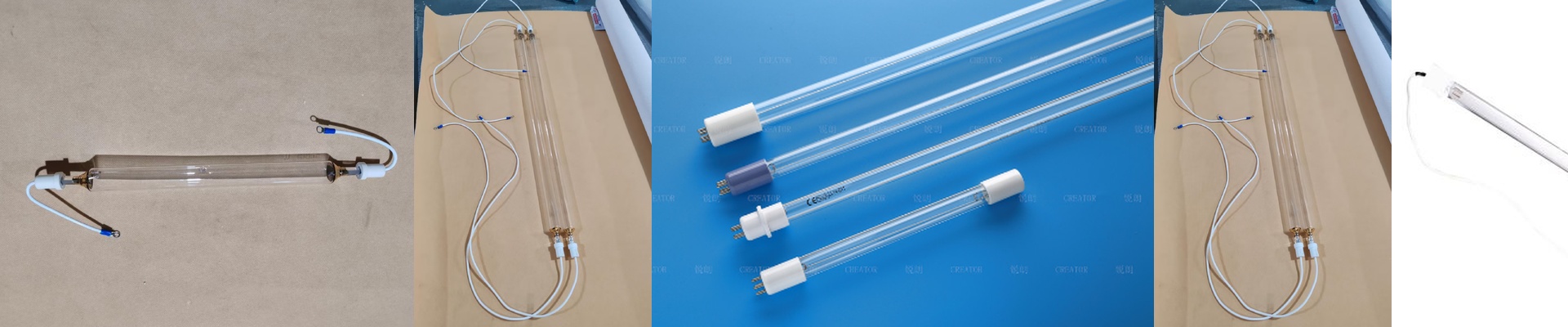
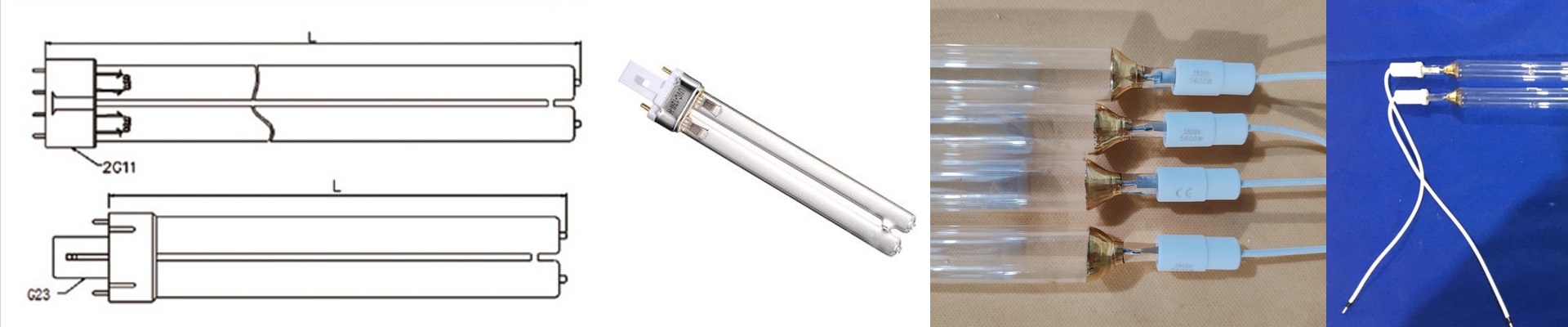
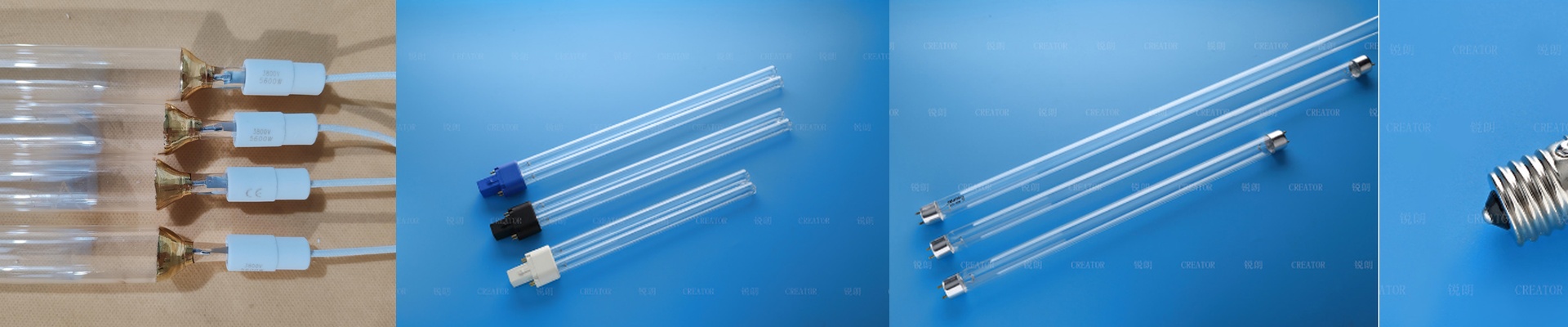
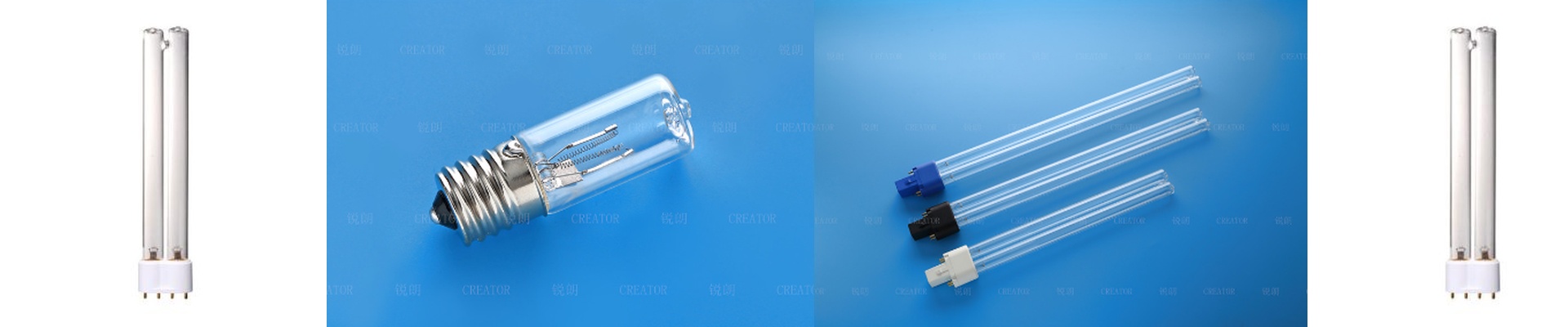
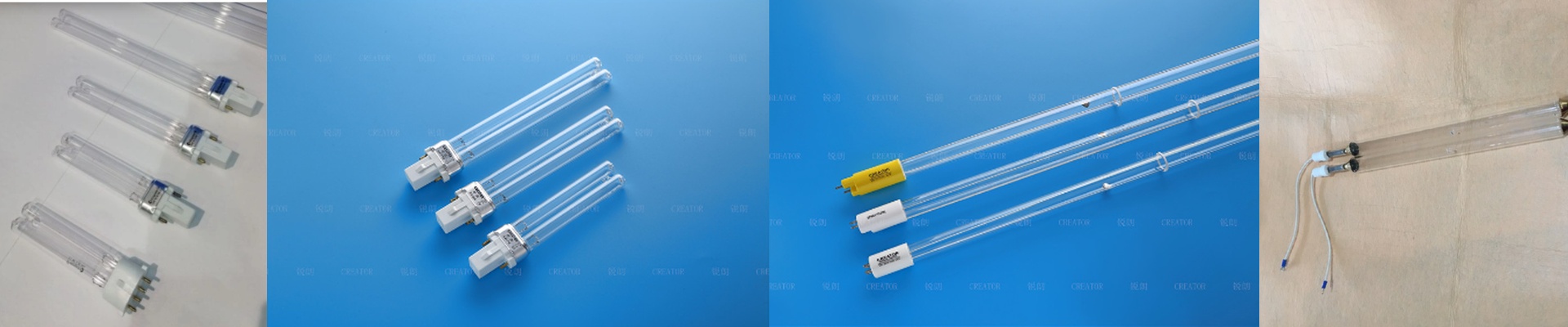
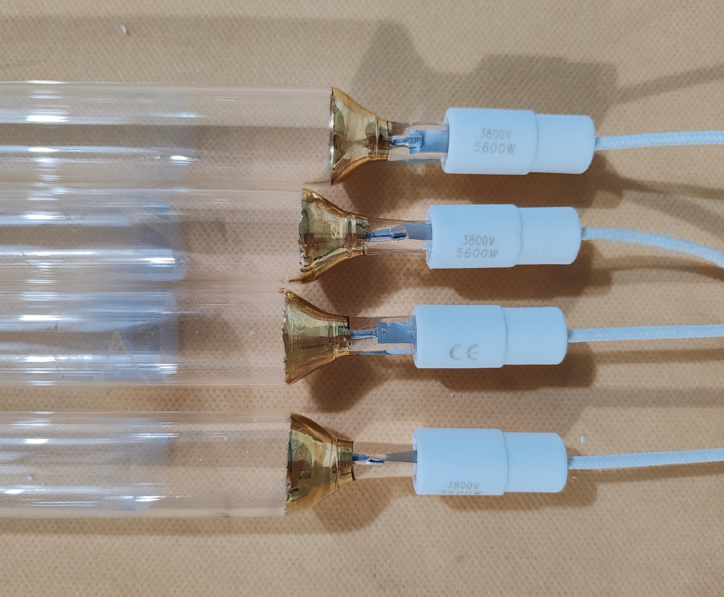
If you’ve spent any time on a print shop floor, you know the headache of manual UV setups. You spend half your morning nudging bulbs and adjusting reflectors, hoping you’ve finally hit that sweet spot. But things are changing. If you look at the latest gear from the 2026 shows, the trend is all about integrated modules. Instead of a bunch of separate parts, we’ve put the lamp, the reflector, and the cooling housing into one solid unit. No more guessing. No more alignment errors. It just works. Getting the power right Here is the tricky part: wavelength. We build these modules to hit a very specific window—usually between 365nm and 395nm—to make sure your inks actually cure. Now, it’s tempting to just crank up the wattage to speed up your line. But be careful. If you push too hard, you’ll end up shrinking your ink or warping your substrate. It’s a balancing act. You have to match your feed rate with the lamp’s output so the base layer doesn’t stay tacky. Keeping it cool Heat is the enemy here. To keep that heat from drifting back and ruining your print head, we built in forced-air cooling channels. We also use high-grade quartz glass because it lets the UV light through without soaking up the energy. The downside? It’s noisy. And those blowers pull a decent amount of power. Just make sure your power board can handle the surge when you first fire them up. Built for the real world We designed these to be drop-in replacements for those old, clunky mercury systems. And we fixed the wiring nightmare. Instead of wrestling with a handful of loose wires every time you change a lamp, you just plug the module straight into the bus. It’s fast. It’s simple. And more importantly, you won’t accidentally fry your ballast because a wire went into the wrong slot. Print shops are messy. There’s dust, ink mist, and constant vibration. We built these to take a beating and keep running 24/7.