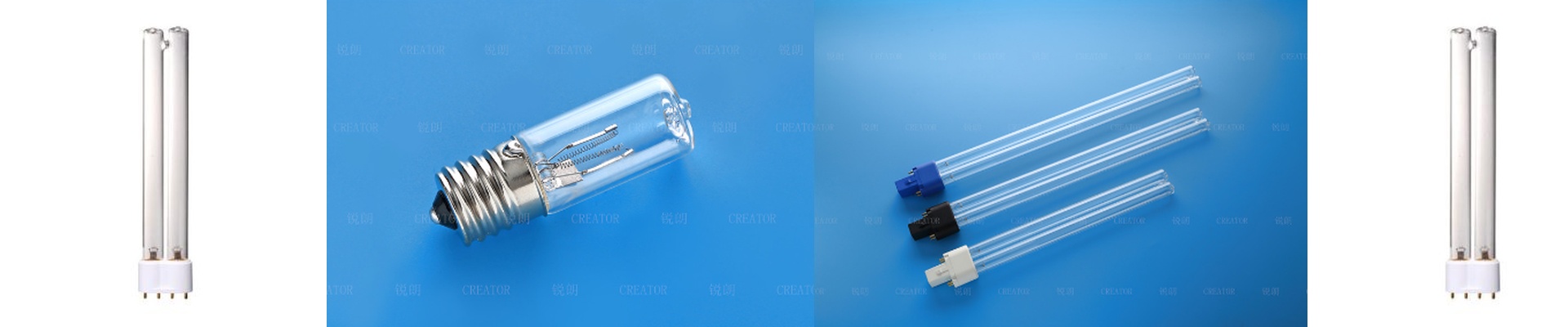
Making Mercury UV Curing a Little Smarter
For a long time, standard mercury vapor tubes have been the reliable old workhorses of the industrial world. They just work. But we’re finally moving past the days of just swapping out a bulb when it dies. The new way of doing things is all about keeping an eye on things in real-time—tracking exactly how much power you’re using and watching that UV strength dip as the lamp ages.
What’s actually happening inside those long-life tubes?
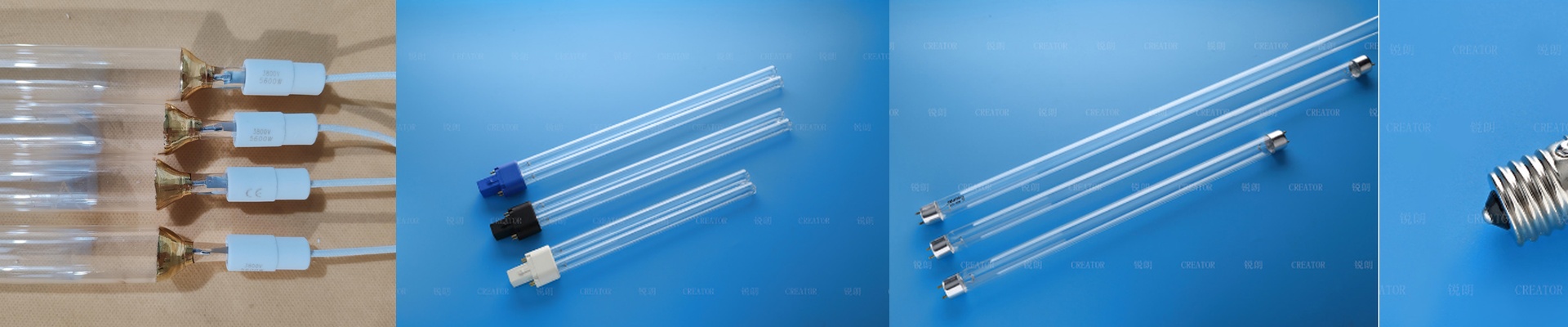
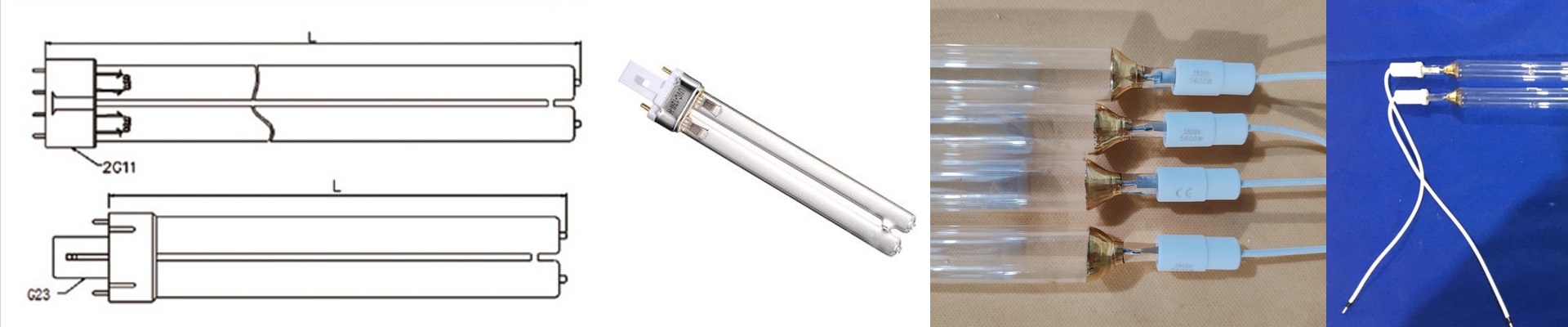
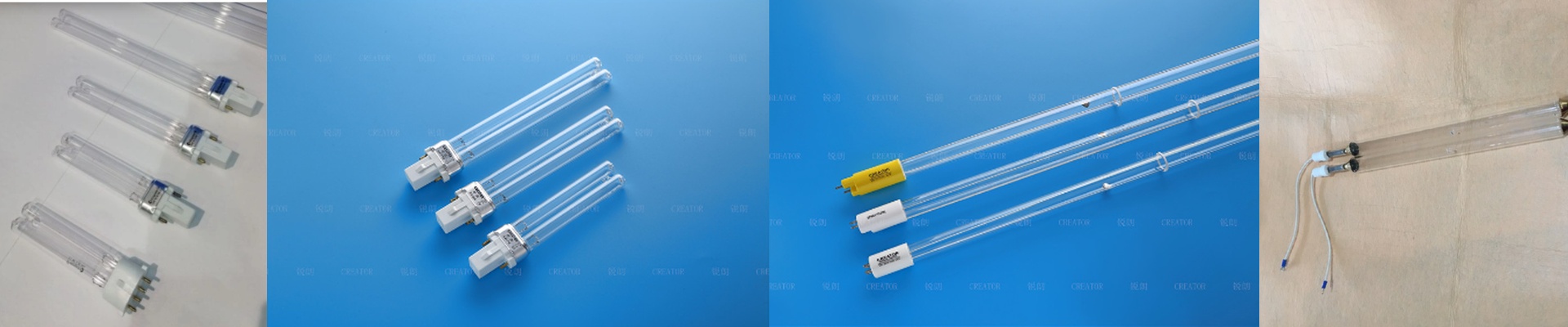
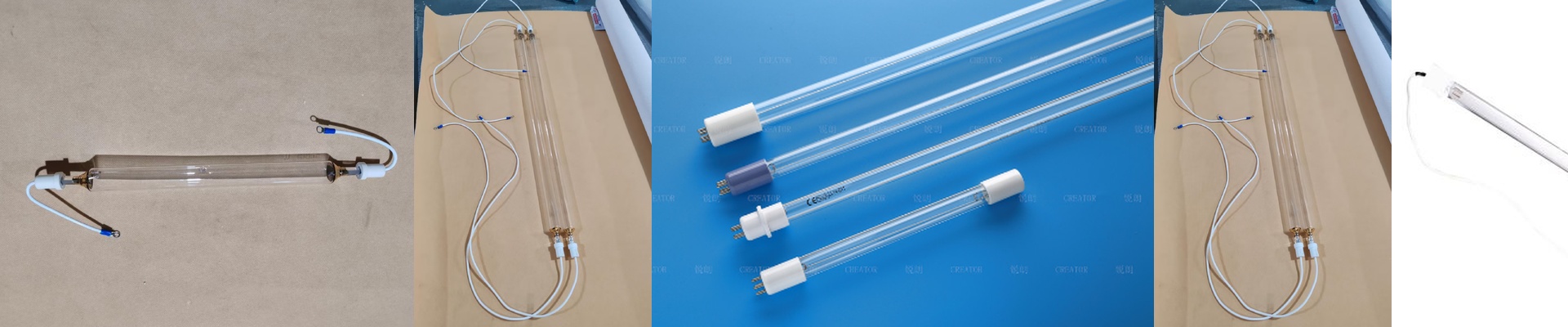
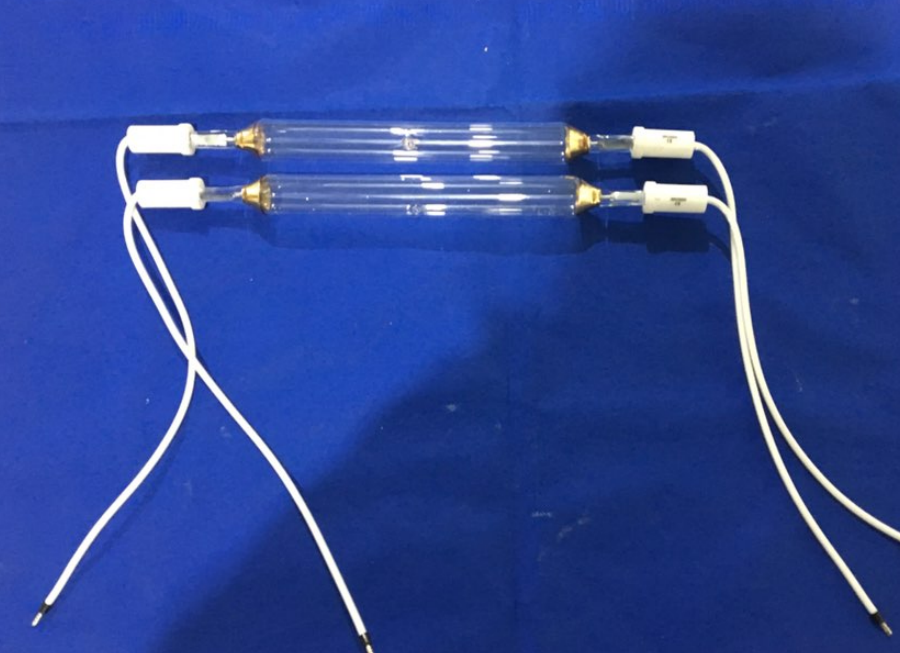
If you’re looking at long-life tubes, you’re basically paying for better quartz and a more precise gas mix. The goal is to stop the electrodes from wearing down too fast. It’s all about keeping that mercury vapor pressure steady. When that happens, your UV output stays consistent for thousands of hours. You aren’t guessing if the light is still strong enough; it just stays put. But here is where it gets interesting: energy monitoring. Instead of walking up to a machine and wondering, “Is this lamp getting dim?” or waiting for it to burn out completely, you’ve got sensors doing the work. They track the wattage and the intensity. You’ll know the exact second the output drops below what you need to actually cure your parts. No more guesswork.
Getting a birds-eye view
Adding “smart” tech usually just means popping in some current sensors and UV radiometers that talk to your PLC. Suddenly, you can see every curing line in your shop on one screen. It’s a huge relief. You can spot a dying ballast or a dirty reflector before it ruins a whole batch of product. It turns maintenance from a “hope for the best” schedule into something you actually control.
The trade-offs (because nothing is perfect)
Now, it’s not all plug-and-play. Adding this monitoring means your wiring gets a bit more crowded. You’ll need signal converters to get that lamp data onto your network, which is just one more thing to set up. And a word of warning: these high-output tubes gethot. Really hot. If your cooling fans quit, that heat will fry your sensors way before the lamp actually gives out. When you’re planning your cooling system, make sure it can handle the heat from the lamp and the new hardware. Otherwise, you’re just buying expensive sensors to watch them melt.