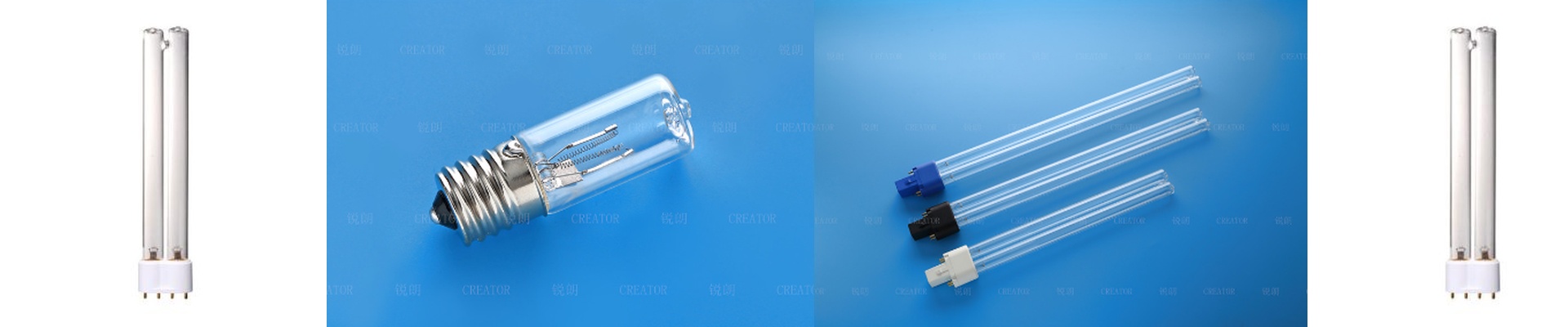
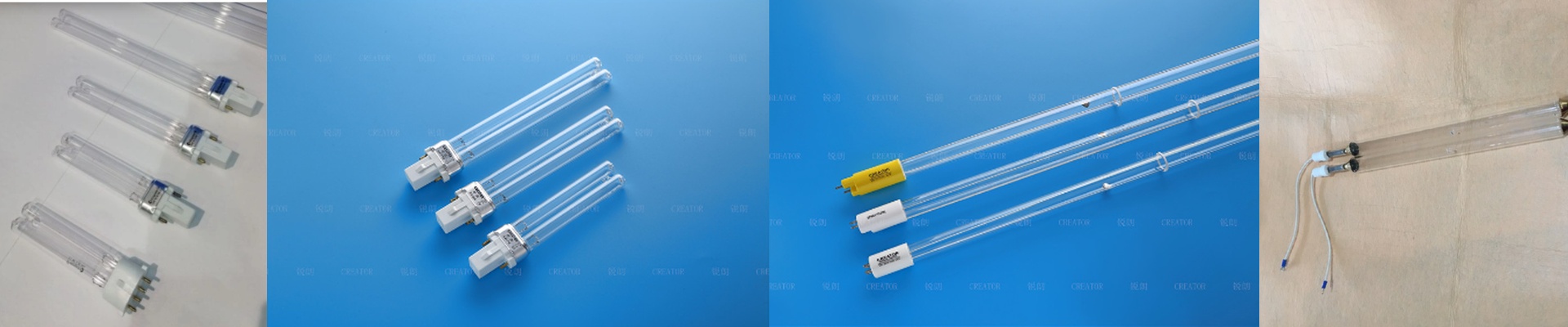
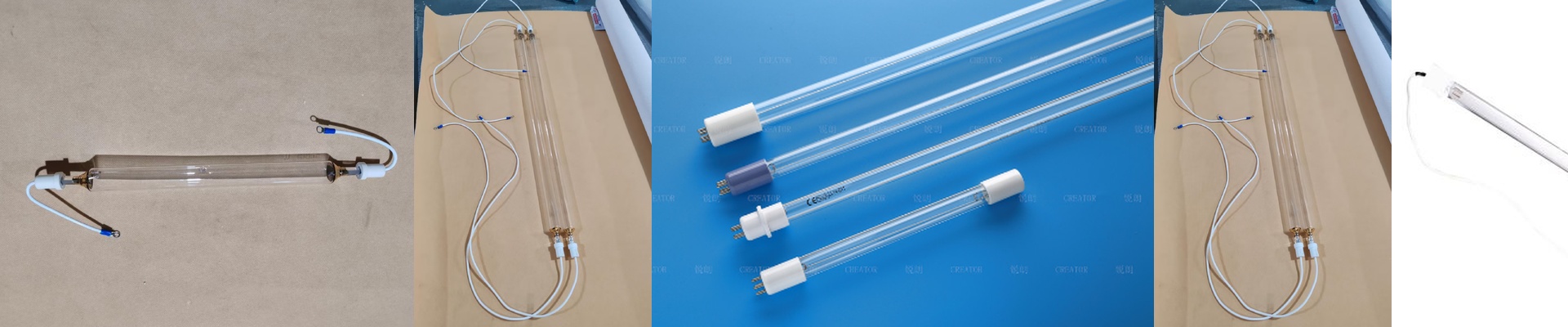
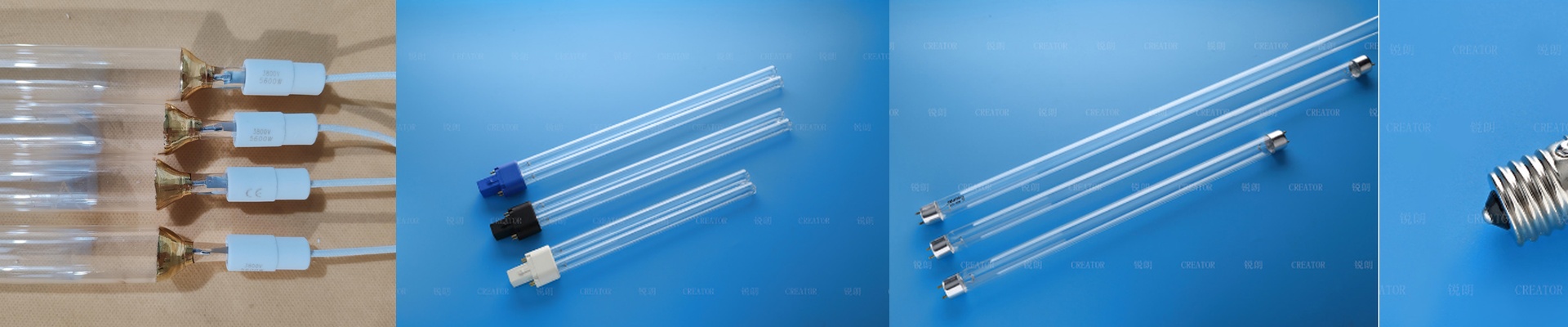
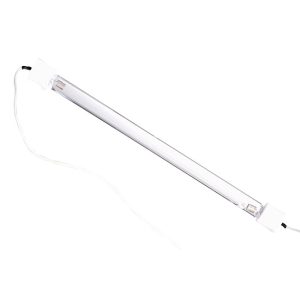
How we actually build UV lamp systems for printing lines
We spent some time visiting 3,000 different printing plants. Why? Because we wanted to see where the “standard” UV systems actually fall apart. It turns out, most OEM designs are built in a vacuum. They don’t account for the chaos of a real shop floor. Heat kills the lamps. Constant vibration rattles connectors until they just give up. We took all those headaches and used them to rewrite our entire design playbook for our partners.
Getting the power right
Curing isn’t just about cranking up the power. It’s a balancing act. We look closely at the spectral output to make sure it actually plays nice with the photoinitiators in your ink. If you’re running high-speed lines, you need more wattage per inch. Otherwise, the substrate moves on before the ink is fully set. But you can’t just blast it. Too much power and you’ll burn the material. Too little? You’re left with tacky ink and a lot of wasted product. We figure out the exact power density you need based on how fast your line actually moves.
Dealing with the heat
UV lamps get incredibly hot. Like, “melt-your-surroundings” hot. To stop the tubes from cracking during those rapid start-stop cycles, we use quartz glass with a very specific thermal expansion coefficient. We also ditched the flimsy mounts. Instead, we use aluminum alloy housings that act as giant heat sinks, pulling the heat away from the bulb. Here’s the trade-off: high-intensity lamps cure faster, but they make your cooling fans work overtime. If your airflow is blocked, your lamp life plummets. That’s why we design the footprint to give the system as much room to breathe as possible.
Making it easy to live with
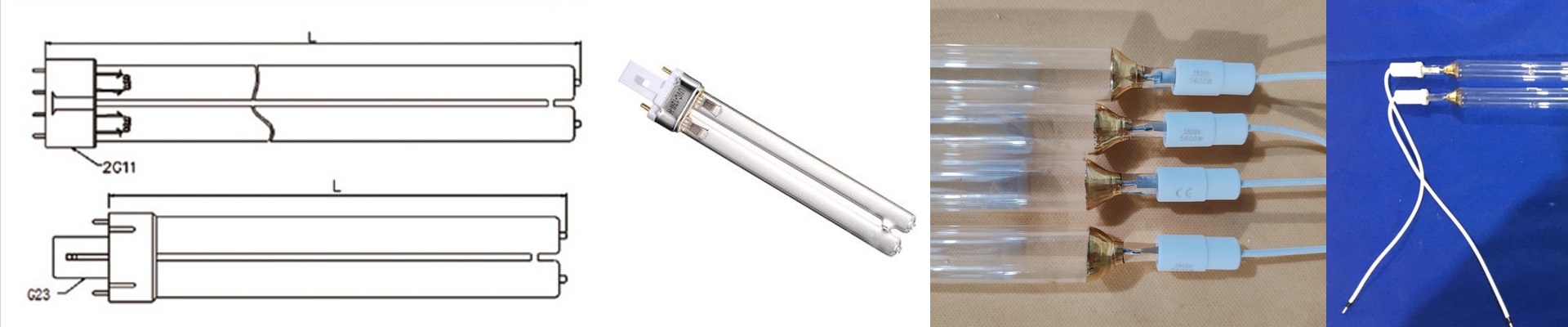
We build these to be drop-in replacements. No one wants to spend their afternoon hunting for custom adapters, so we stick to standardized connectors. For our ODM projects, we just tweak the length and voltage to fit whatever power grid you’re already using. And we’re obsessed with access. When a lamp finally burns out—and they all do eventually—your operator should be able to swap it out in under five minutes. Getting the press back up and running quickly is the only thing that matters.