Why Your Textile Line Actually Needs High-Quality Quartz UV Tubes
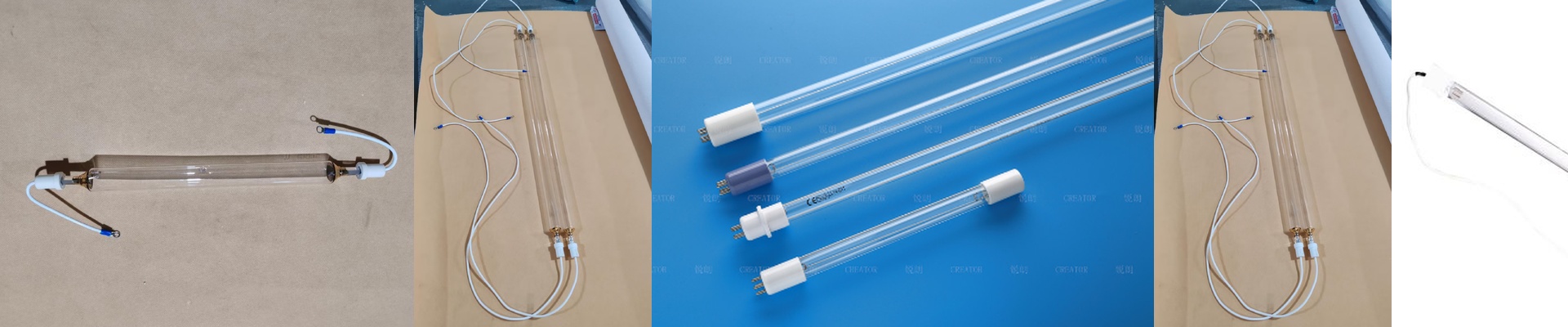
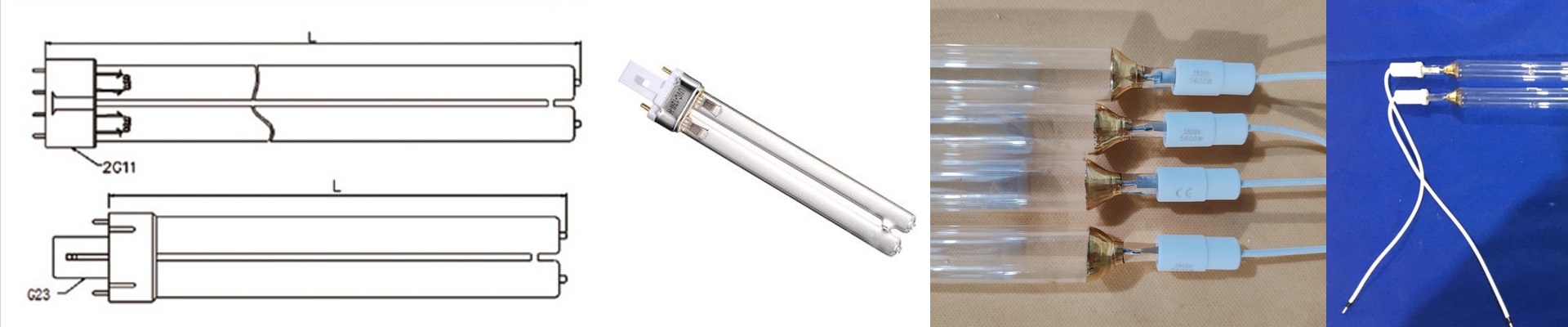
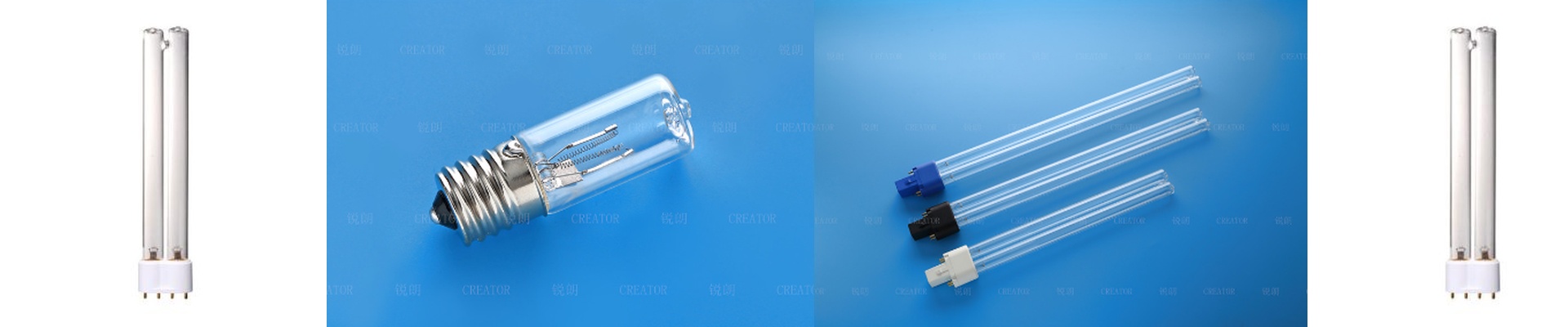
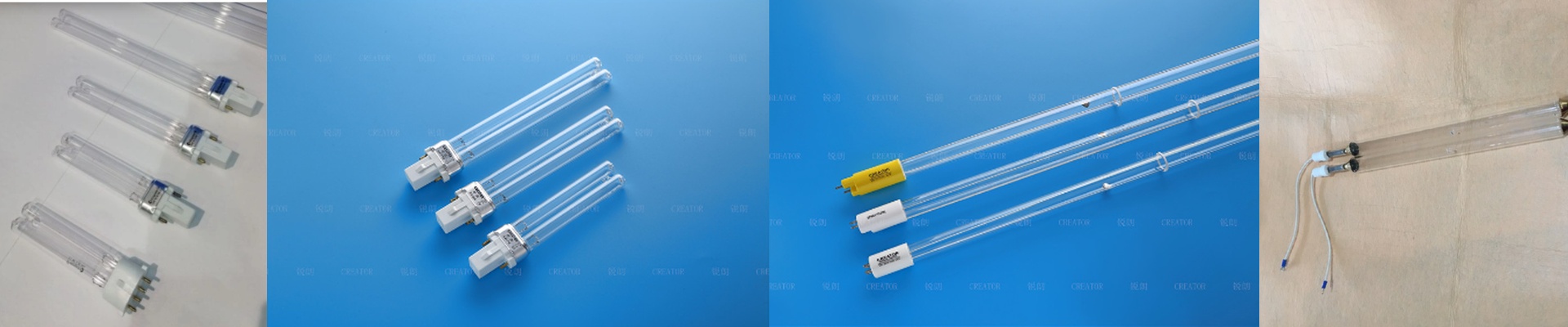
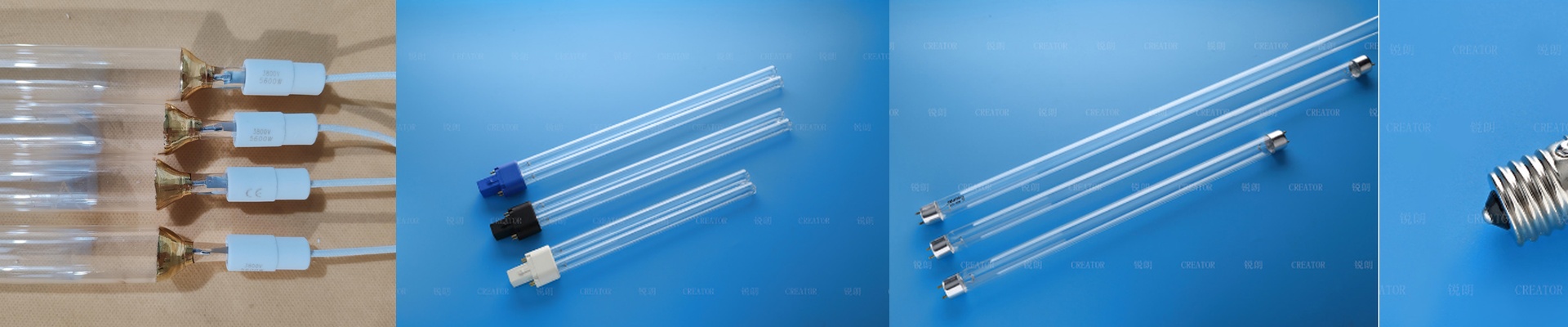
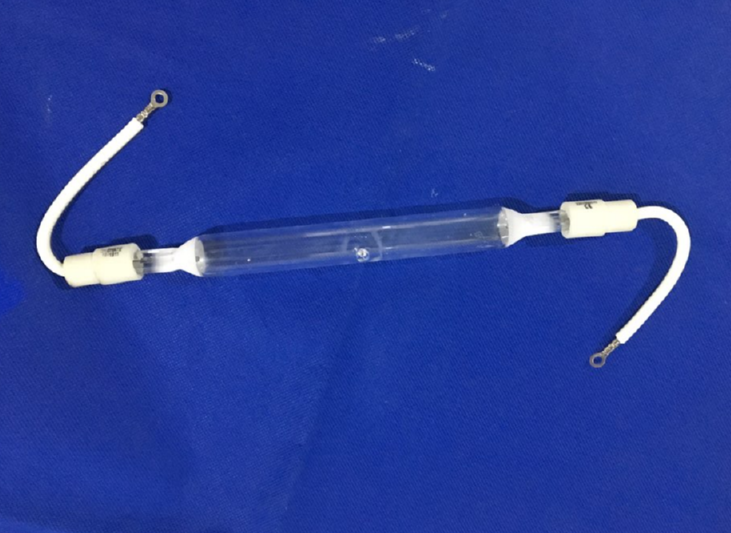
Textile work isn’t just about looms and sewing machines anymore. These days, there’s a lot of invisible magic happening behind the scenes—specifically UV curing. Whether you’re stabilizing synthetic fibers or rushing a digital print order out the door, UV light is what actually locks everything in place. And the secret to making that work? High-purity quartz tubes. The deal with quartz You might wonder why we don’t just use regular glass. Here’s the thing: standard glass is a wall. It blocks the UV-C and UV-B wavelengths that you need to get that chemical reaction (polymerization) started. Quartz, on the other hand, lets that shortwave radiation slide right through. But it’s not just about the light. These tubes get hot. Like, really hot. Quartz is used because it can handle that brutal thermal expansion without just snapping. Then you’ve got the power side of things. More wattage means more photons, which means you can crank up your conveyor belt speed and get more product out the door. But there’s a catch. High intensity creates massive heat. If your cooling fans aren’t up to the task, your quartz will degrade, and your lamps will burn out way sooner than they should. Where this actually happens on the floor You’ll see these lamps popping up in a few different spots: ***Digital Printing:**This is the big one. UV tubes dry ink instantly. No smudging, no waiting around. You can fold the fabric and ship it almost immediately. ***Finishing Touches:**When you’re adding waterproofing or flame retardants, UV curing bonds those chemicals to the fabric so they actually stay there. ***Cleaning Up:**Some folks use UV-C tubes right at the start to kill off any microbes on the raw materials before they even hit the loom. A few things to watch out for When you’re buying these in bulk, don’t just glance at the length and hit “order.” Check your electrodes. Check the grade of the quartz. If you’re swapping out a lamp, it has to fit the existing footprint perfectly. Why? Because the distance between the lamp and the fabric is everything. If the lamp is too far away, the intensity drops and your cure fails. Too close? You’ll scorch the fabric. It’s a delicate balance. My best advice? Stick to a strict replacement schedule. It’s much easier to swap a lamp on a Tuesday morning than it is to deal with a batch of inconsistent, half-cured fabric on a Friday afternoon.