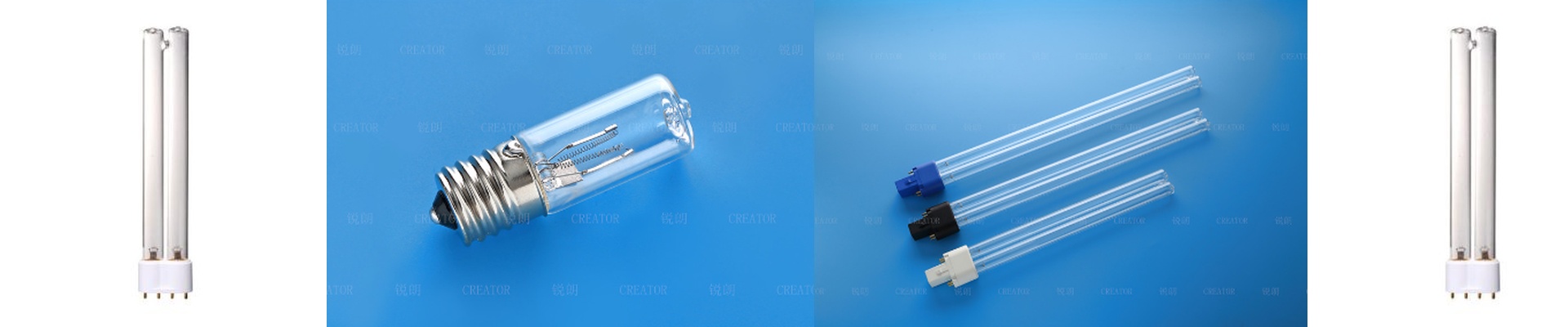
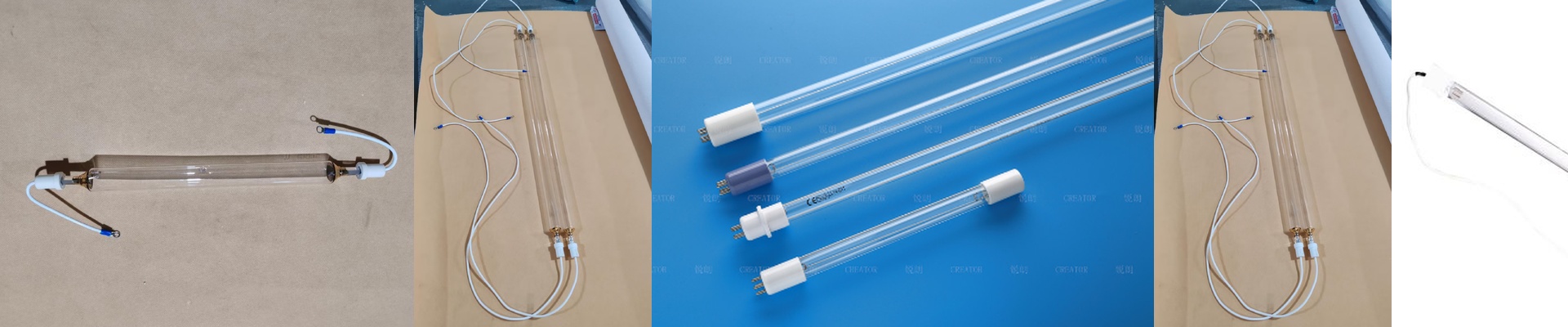
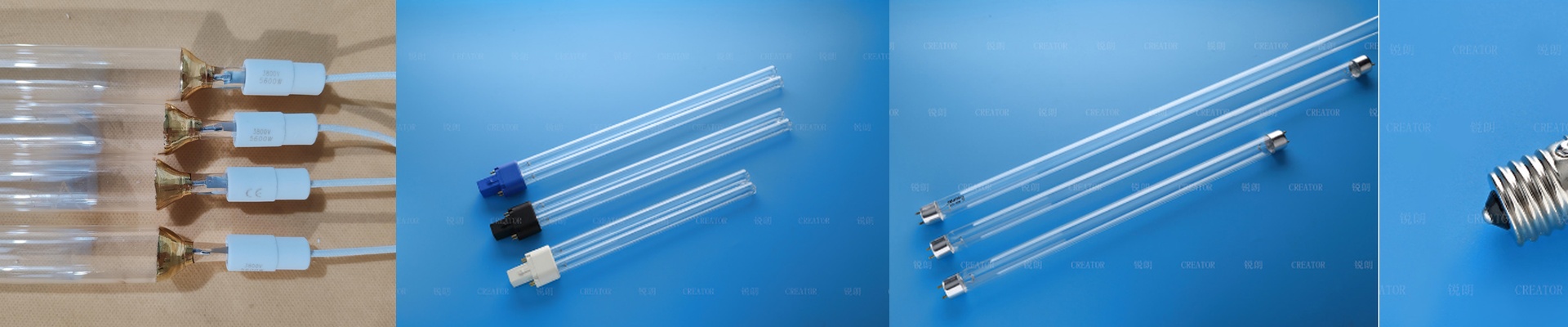
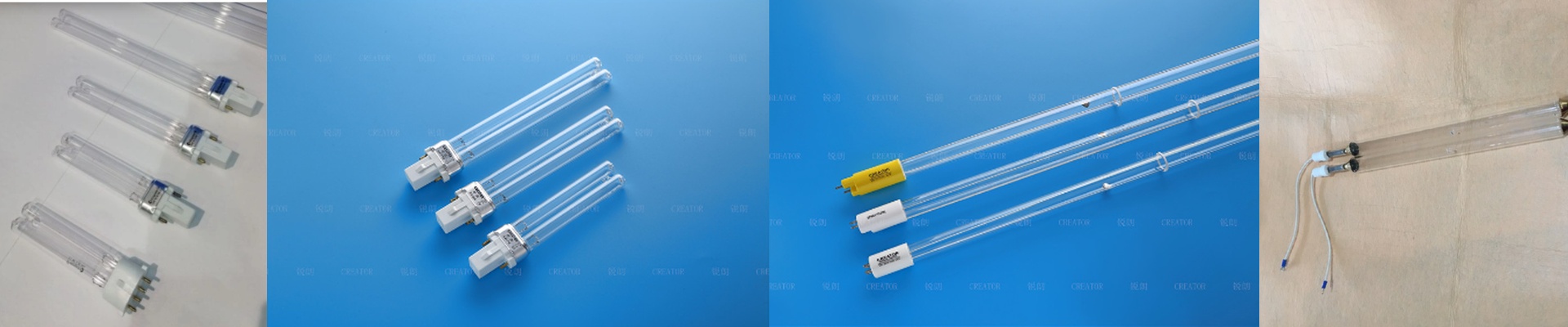
Let’s Talk About Cleaning Up UV Systems
Most industrial UV lamps are a nightmare to deal with because they’re full of mercury. When they break or wear out, you’re stuck with hazardous waste and a mountain of strict disposal rules. It’s a headache nobody wants. We decided to do things differently. By swapping in ozone-free quartz and mercury-free phosphorus, we’re cutting out the toxic stuff right from the start.
The Nitty-Gritty on Materials
We use high-purity synthetic quartz for the outer shell. Why? Because standard glass tends to “solarize”—it gets cloudy over time. That cloudiness kills your UV output long before the electrode actually dies. We’ve tweaked the glass chemistry to stop that from happening, which just means your lamps stay clear and effective for much longer. Inside, we use thoriated tungsten for the electrodes. This stops “sputtering,” which is basically when metal gunk builds up on the inside of the tube and blocks the light. It’s a small detail, but it’s the reason these units can hit 10,000 hours without the light levels dropping off a cliff.
Built to Actually Last
We’re over the cheap adhesives. They just don’t hold up. Instead, we use mechanical seals and high-temp ceramics. If you’re running these in a high-heat curing tunnel, you don’t have to worry about your seals cracking under the pressure. They can take a beating. And for those of you running production lines in China, we offer these in bulk as drop-in replacements for G10q or R7s footprints. You can go green without having to rip out your wiring or mess around with your ballast system. It just works.
The Honest Trade-off
I want to be upfront with you: moving to eco-friendly materials changes the peak wavelength slightly. You might notice your curing speed drops by about 5-10% compared to those old, high-mercury lamps. To keep your output the same, you’ll probably need to slow down your line a bit or pack in a few more lamps per meter. It’s a choice. You’re trading a tiny bit of raw speed for a system that doesn’t poison the planet. For most of us, that’s a trade worth making.