Dealing with Noise in 80W/cm Mercury UV Systems
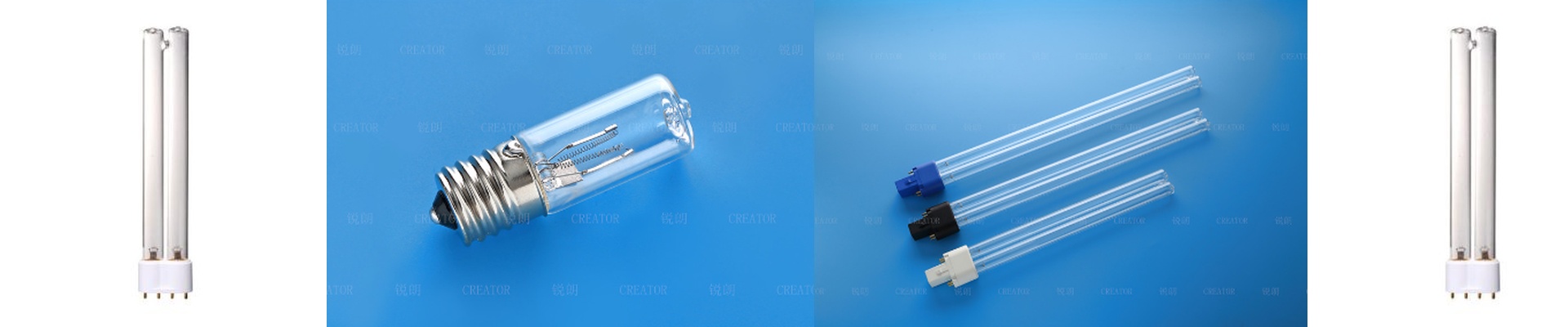
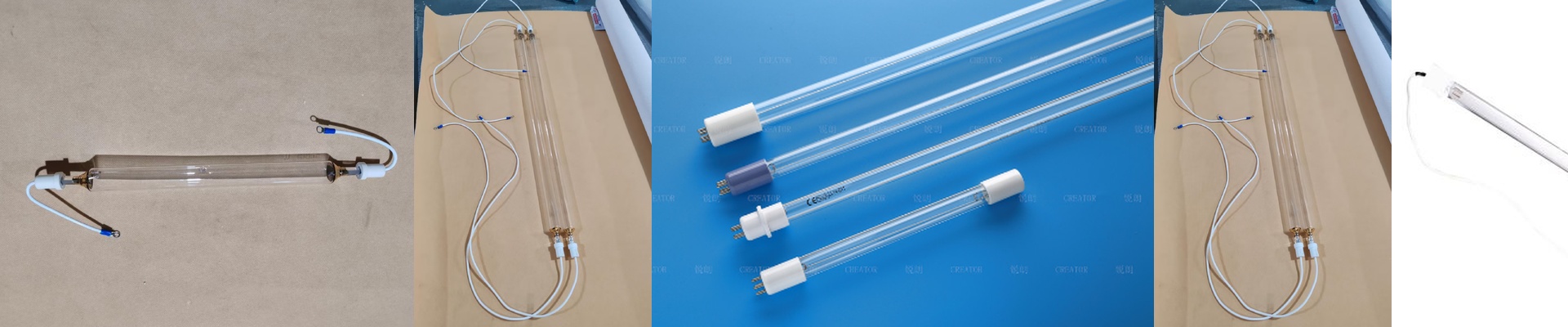
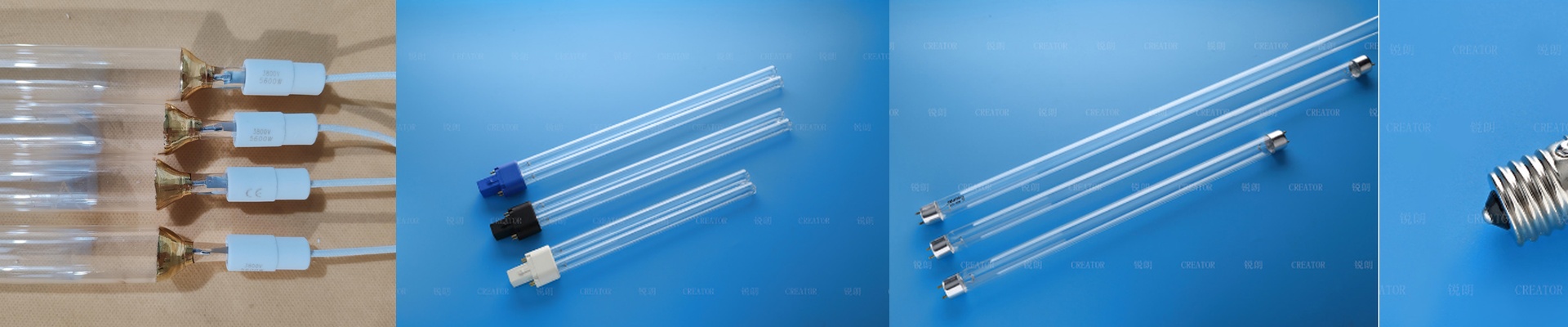
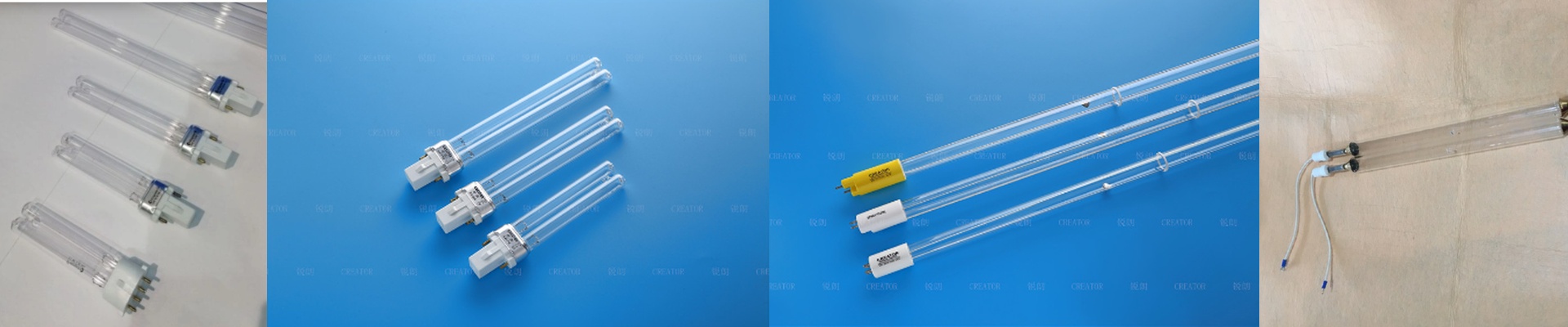
If you’re running a single 80W/cm mercury UV lamp, everything usually works great. It’s steady. It does its job. But things get messy when you start lining up multiple large-scale printing presses in the same shop. Each lamp and ballast creates its own electromagnetic footprint. When you have a few of them running side-by-side, they start fighting. You’ll see it in the flicker, the curing speeds getting wonky, or lamps just giving up the ghost way too early. It’s a headache nobody needs. Keeping things steady when the power gets messy Industrial shops are “noisy” places electrically. When you’ve got multiple presses cycling on and off, the power grid takes a real beating. We built our 80W/cm tubes to handle that chaos. We spent a lot of time tightening the tolerances on the electrode materials and getting the mercury vapor pressure just right. The goal? A steady arc. It means your output stays flat even when the machine next to you kicks in and makes the voltage jump. Stopping the “cross-talk” Interference isn’t just about the bulb itself. It’s about the relationship between the lamp, the ballast, and that big metal chassis everything is bolted to. We use specific shielding and impedance matching to keep the signal clean. This stops the “cross-talk” that usually happens with cheaper lamps when you’re running three or four presses in parallel. You get a consistent cure across the whole web. No surprises. The reality check on heat Here’s the thing: these high-stability lamps put out a lot of heat. A lot. You can’t just toss these into any old rig and hope for the best. You need to make sure your cooling blowers are actually up to the task of pulling heat away from the quartz. If your airflow is weak, all that stability we built in doesn’t matter—the heat will just eat the lamp’s lifespan. And a quick tip: keep your reflectors clean. You want that UV energy hitting your substrate, not soaking into the machine frame.