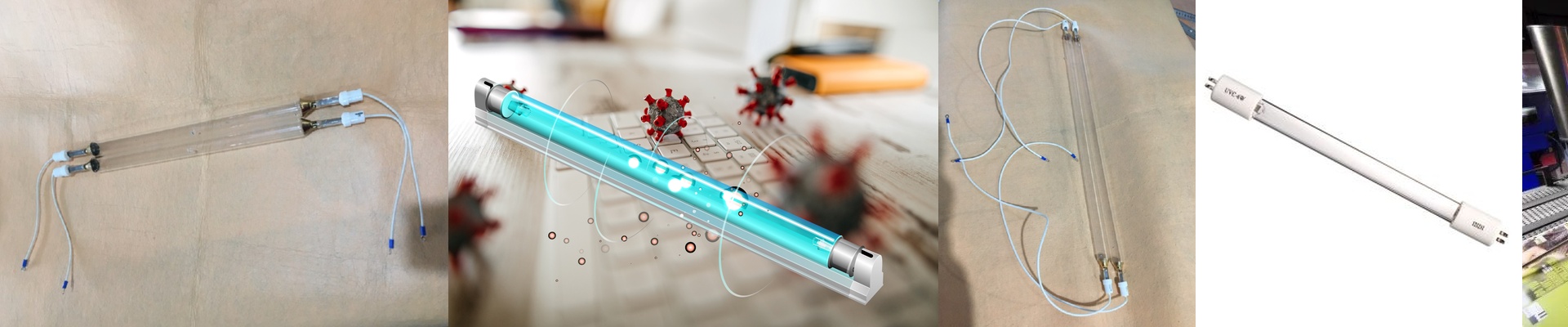
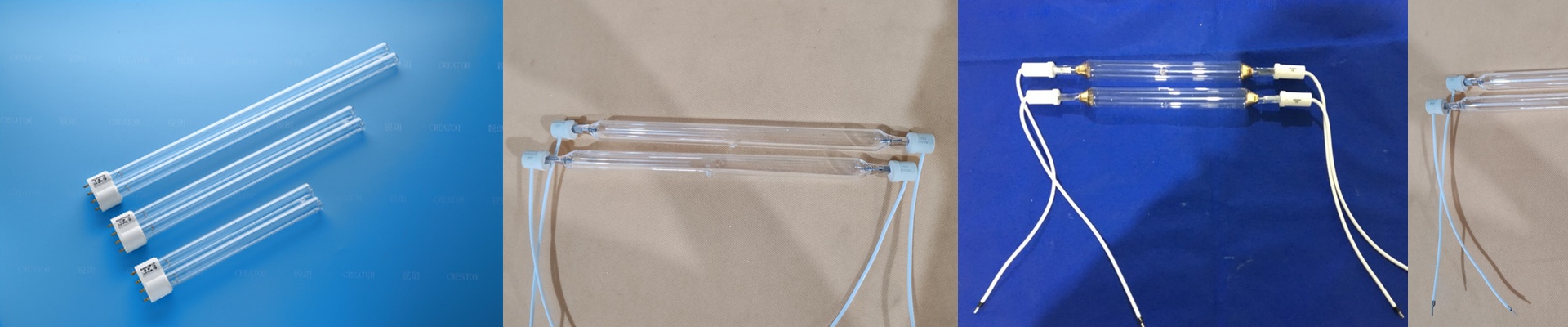
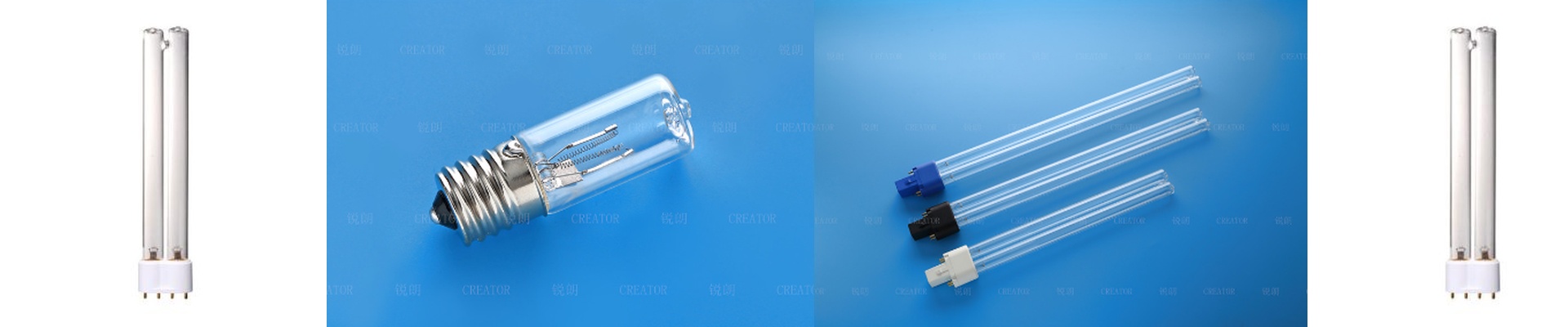
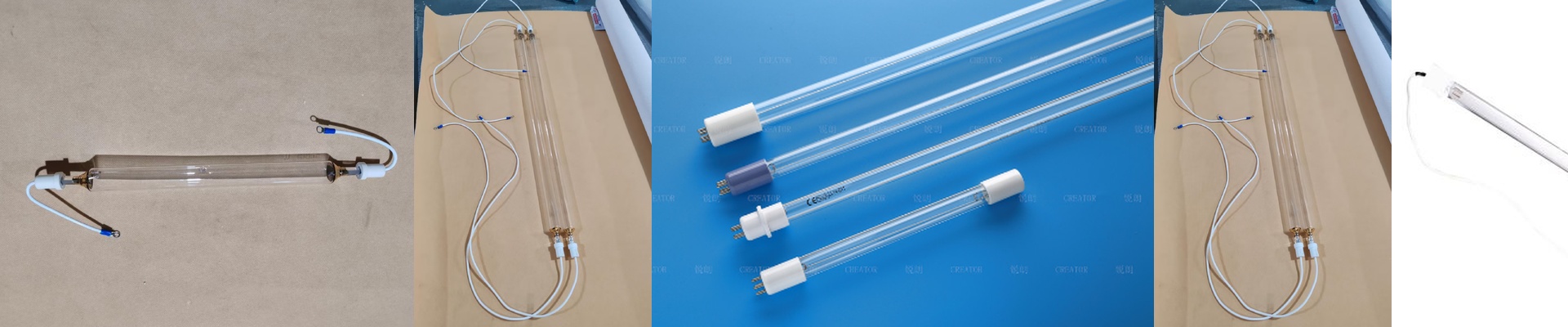
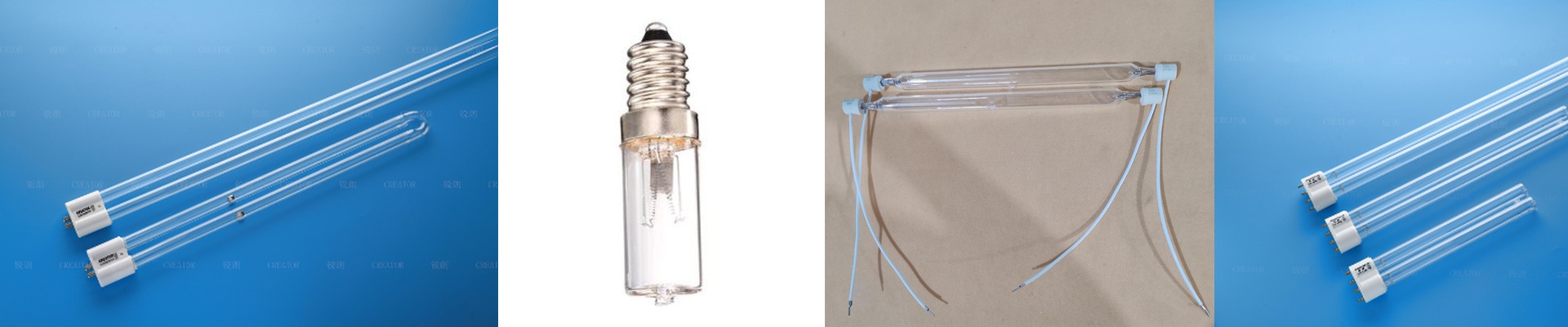
Let’s Talk About Mercury UV Bulbs
If you’ve spent any time in a print shop, you know that mercury UV bulbs are the real heavy lifters. They do the hard work of hitting those liquid inks with enough energy to turn them into a solid, dry film in a matter of seconds. For most of us running small or medium shops, the struggle isn’t finding a bulb—it’s finding one that actually stays stable without costing an arm and a leg just because it has a fancy brand name on the box.
How they actually work
Here is the simple version: an electrical arc jumps through mercury vapor, and that creates a burst of UV light (mostly UVC and UVB). We use high-purity quartz glass for the tubes. Why? Because regular glass would just soak up all that radiation. The quartz lets the light actually get out and do its job. The big thing to watch is your power density. Think of it as a balancing act. More wattage means more “punch,” which lets you speed up your conveyor. But if you push your line too fast for the bulb you’re using, you’ll end up with ink that’s still tacky. There’s nothing worse than a finished job that rubs off on your fingers.
The tricky parts: Heat and Fit
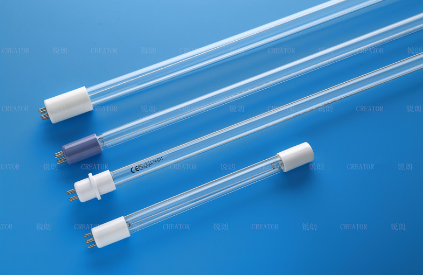
We make these as drop-in replacements, so they should slide right into your existing setup. The dimensions and end-caps have to be spot-on. If they’re off by even a hair, you risk arcing at the sockets, and nobody wants that. But here’s the catch: these bulbs gethot. A lot of the energy doesn’t even go into the ink; it just turns into heat. If your cooling fans are choked with dust or your reflectors are getting pitted and worn, the bulb is going to overheat and burn out way too soon. Do yourself a favor and check your reflector alignment every few months. It keeps the beam focused where it belongs—on the ink, not the air.
Making it work for your shop
Whether you’re running PET labels, acrylics, or various plastics, these lamps get the job done. The best part is that by keeping the specs standard, you don’t have to rip out your entire machine just to upgrade your curing. You just wire it to a compatible ballast, dial in your height, and tune your speed until it feels right. It’s straightforward, and it works.