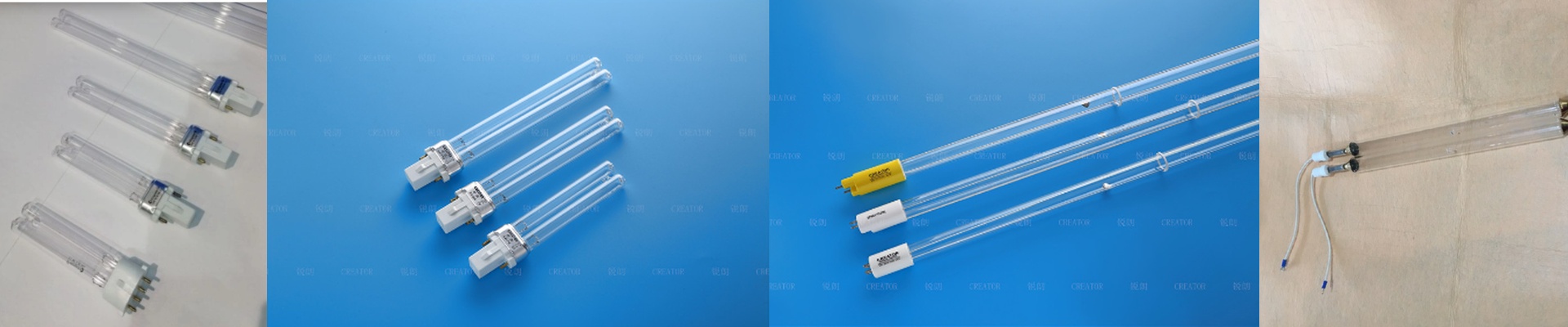
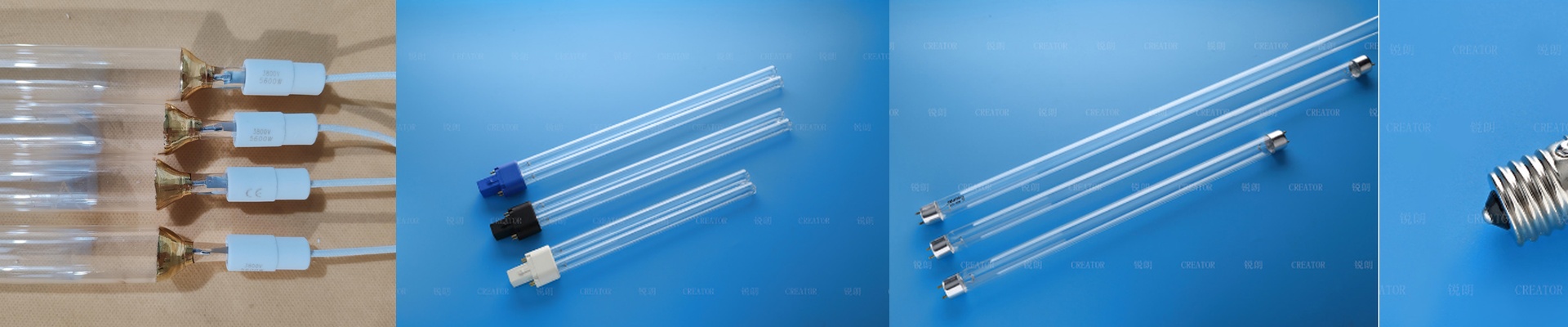
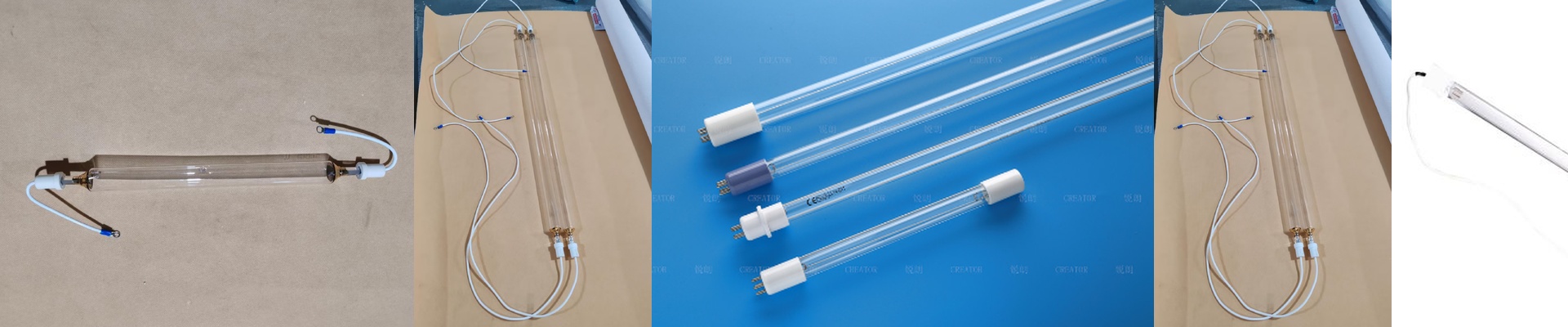
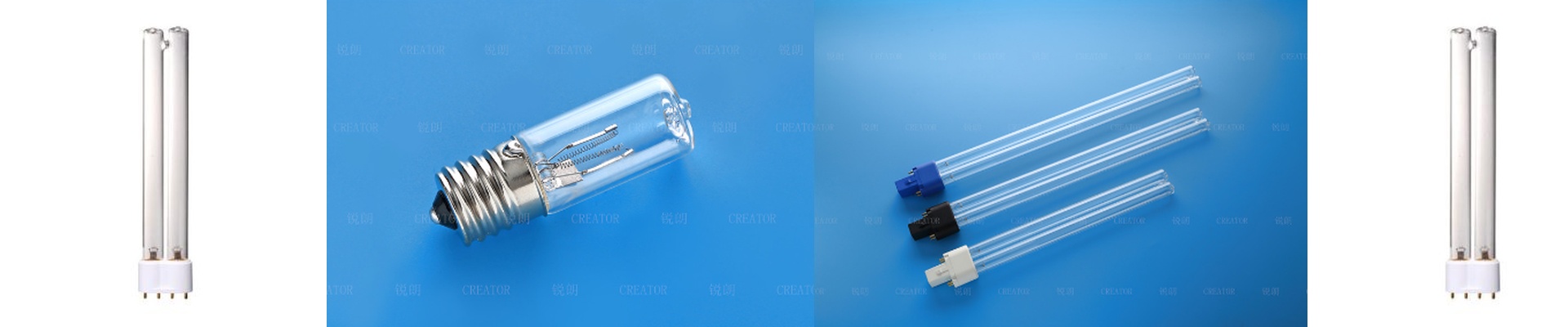
What Actually Goes Into a High-Pressure Mercury UV Lamp
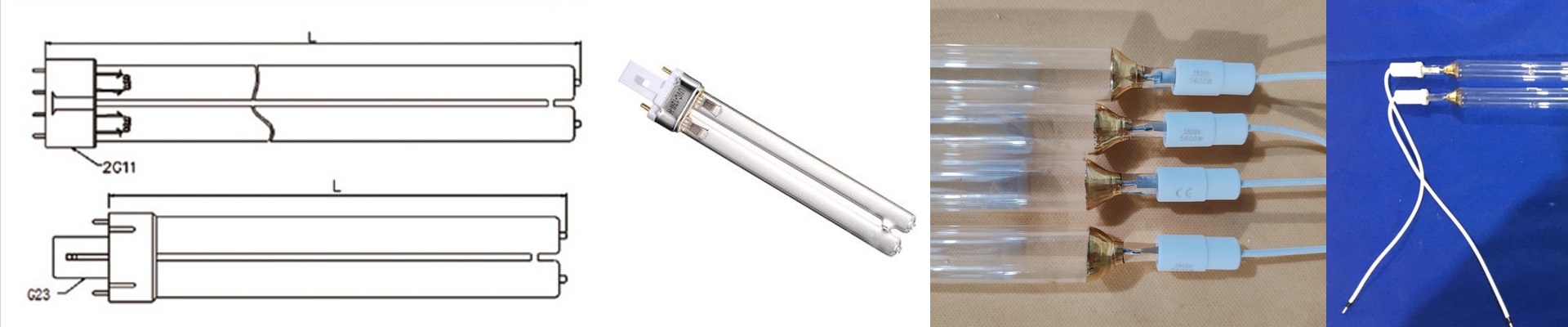
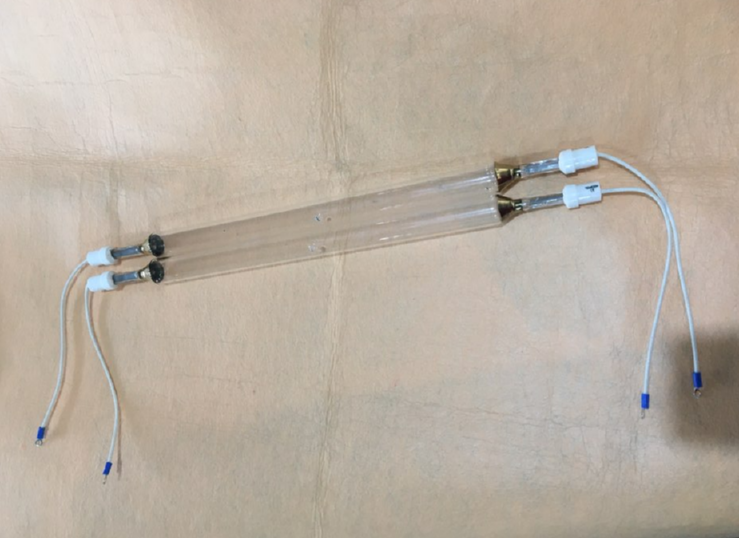
We spent 15 years working behind the scenes as an OEM supplier before we finally decided to put our own name on the box. Here is the truth: these lamps aren’t just glass tubes. They’re more like precision tools that have to survive a brutal amount of heat while pumping out a very specific kind of light. The battle with heat and pressure To get the kind of UV-C punch you need for industrial curing or sterilization, we have to push mercury vapor to high pressures. It works. You get a massive increase in output density. But there’s a catch. That pressure puts a ton of stress on the quartz envelope. We build our tubes to take those high voltage spikes so they don’t just burn out on you. And a quick tip: if you’re stuffing a high-wattage tube into a tight space, your cooling has to be spot on. If the air isn’t moving, the heat builds up, the lamp dies early, and your reflectors start to warp. It’s a mess. Picking the right materials We use high-purity fused quartz. Why? Because cheap glass blocks the exact wavelengths you’re paying for. It’s a waste of money. Then there are the electrodes. We’ve engineered ours to stop “sputtering”—that annoying dark silver film that usually creeps in at the ends of the lamp. We also make sure our connectors fit perfectly. We offer a few different setups so you can just swap them into your current system without a headache. If the fit is loose, you get arcing. If you get arcing, the lamp fails. Immediately. Making it work on the floor If you’re running fast-cure coatings or PET processing, line speed is everything. You can’t afford for things to be flaky. One thing to keep in mind: these lamps need a moment to wake up. You can’t just flip a switch and expect peak power the millisecond the light hits. They need a proper warm-up period. We’ve spent a lot of time tweaking the chemistry inside the tube to find the sweet spot between a fast start-up and a long overall lifespan. That way, your cure stays consistent across the whole piece, and you aren’t spending your whole shift swapping out dead lamps.