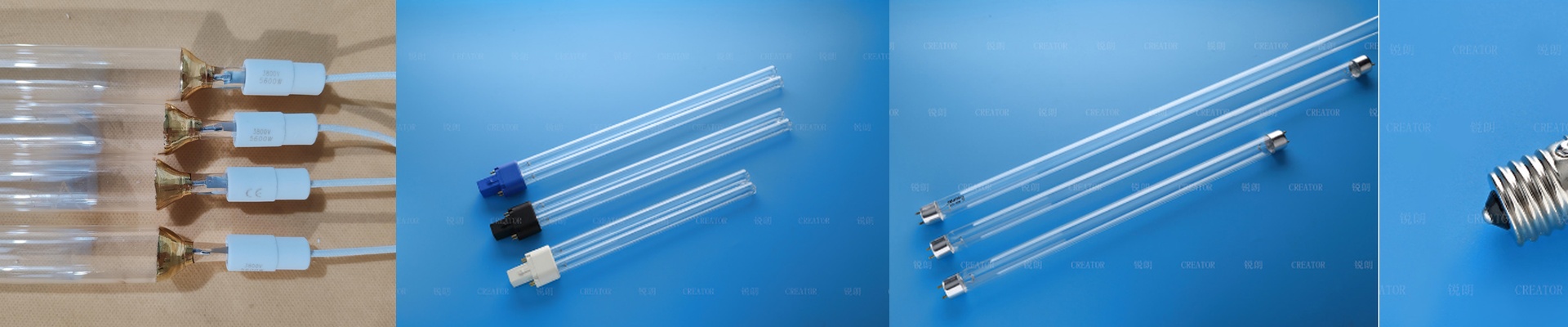
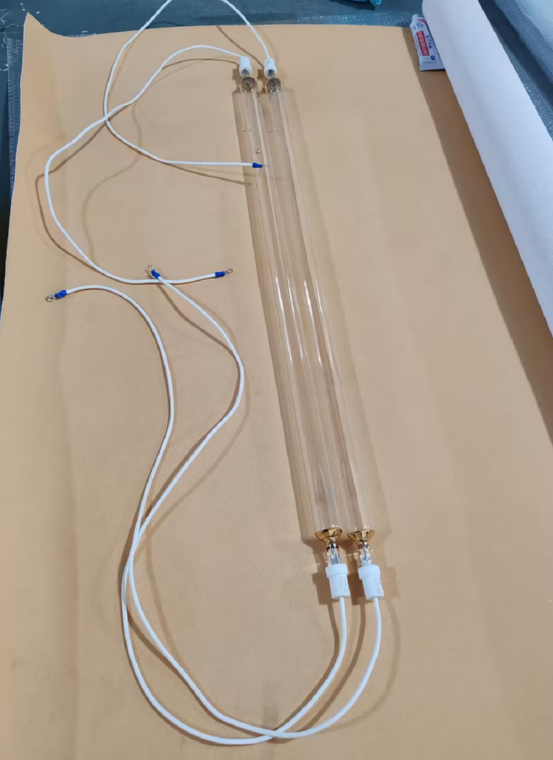
Introduction
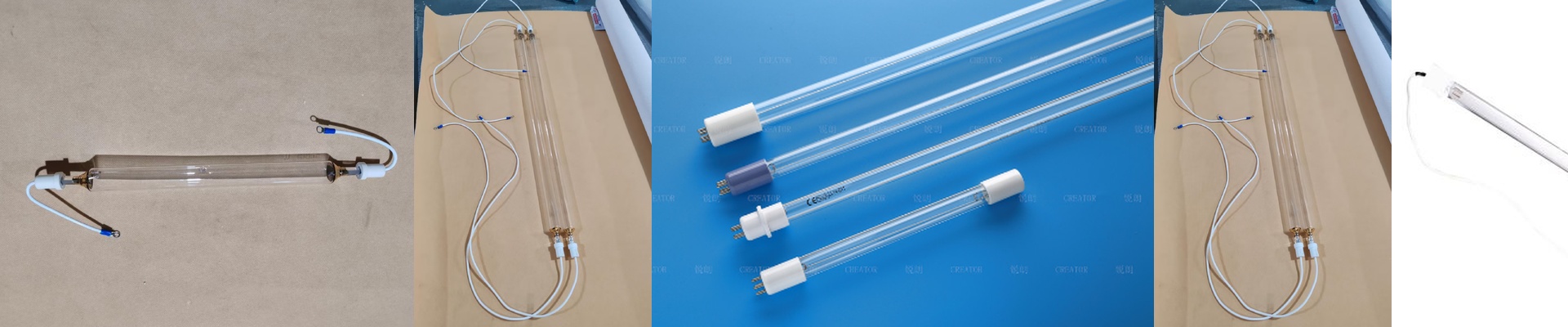
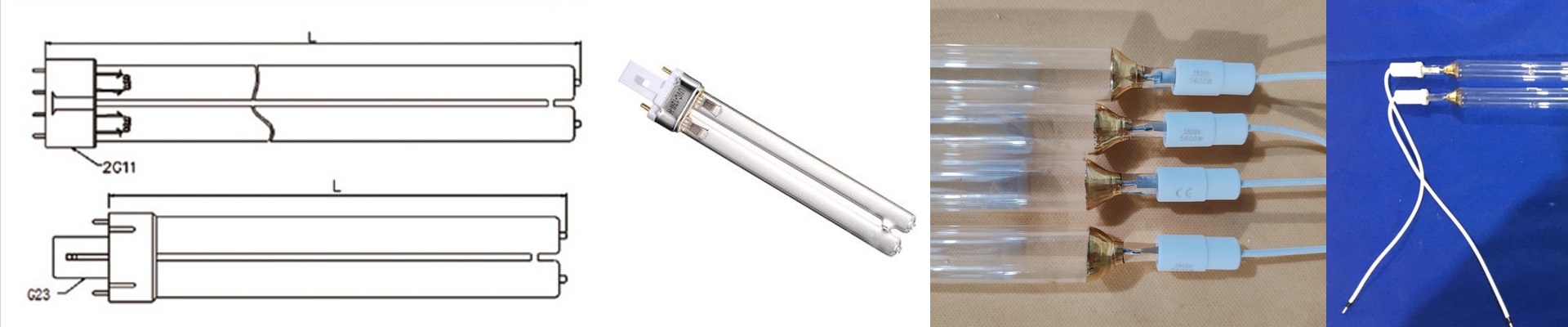
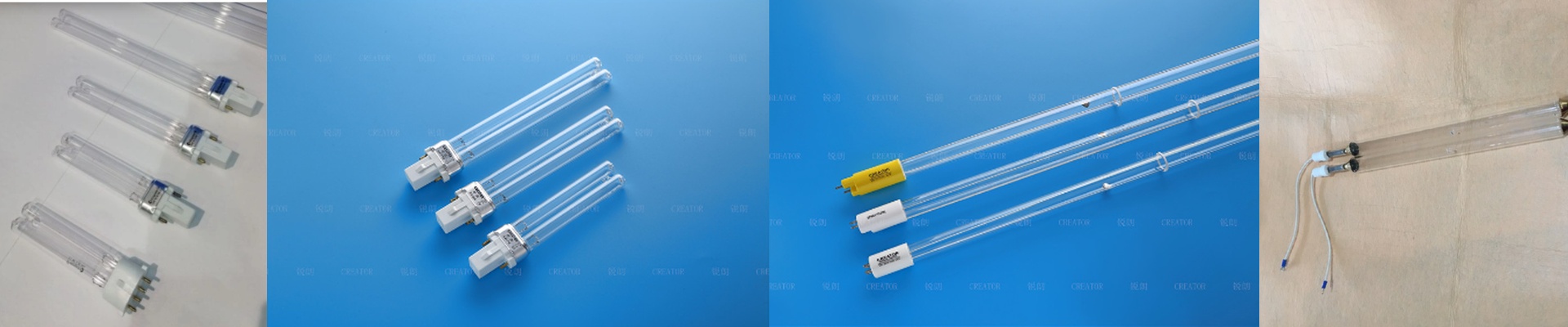
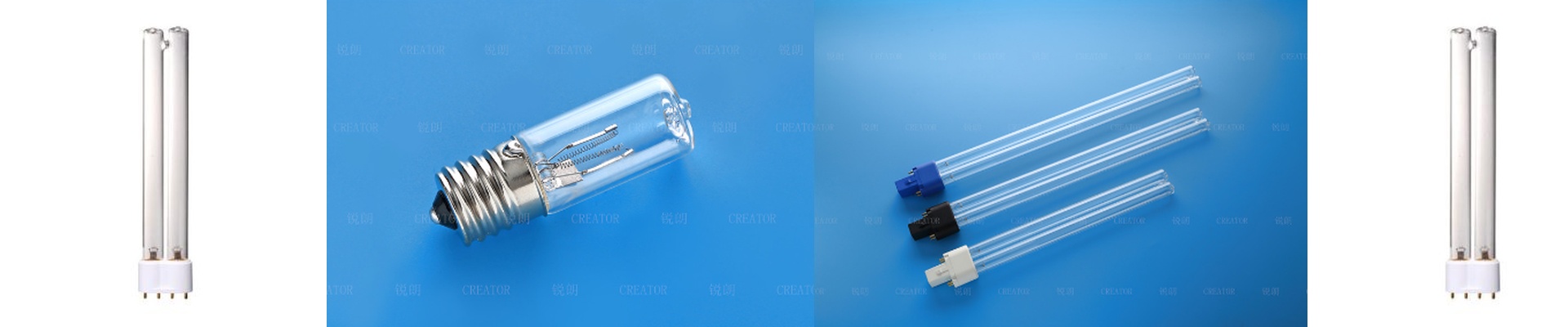
Let’s cut right to the chase. We build quartz glass shields for UV lamp systems, and it all comes down to one thing: getting as much UV power through as possible while keeping the arc tube inside safe. This shield isn’t just a protective shell. It’s a precision part. How pure the material is directly decides how much energy gets through, and how much just turns into wasted heat.
Here’s the real science behind it
Regular glass soaks up UV light and turns it into heat. That’s a total killer for performance. Quartz glass is different, but only when it’s clean. A shield made from 99.99% pure quartz lets UV light pass through with high efficiency, especially that shortwave stuff. That purity is what keeps absorption to a minimum. Even tiny impurities create weak spots in the material’s structure. These spots trap photons, turning them into heat instead of letting them through. The result? Weaker UV output and extra heat building up in your fixture. In a high-power system, that extra heat can age components faster and make your cooling system work overtime.
Why we stick to 99.99%
We use high-purity quartz because it can handle extreme temperature swings without cracking and stays optically stable when the system is running hot. This isn’t about looks. It’s about performance. This material choice also keeps your output steady over the life of the lamp. A shield that stays stable prevents the UV intensity from drifting. That matters when your process needs the exact same UV dose every single time. You get reliable results, shift after shift. Yes, high-purity quartz costs more than lower-grade options. And it needs careful handling during installation to keep the surface free of contamination.
What this means for your work
Whether you’re curing materials, disinfecting, or working in semiconductors, the shield has to let the maximum UV through without breaking down from the heat. A 99.99% pure quartz shield keeps the beam strong and steady, so you hit your target without having to crank up the power. That means fewer hot spots, more consistent output, and longer stretches between lamp replacements. For you, that’s less downtime, less strain on your cooling system, and total control over your process. When you’re putting together a UV system, think of the quartz shield as a core part of the performance, not just an add-on.