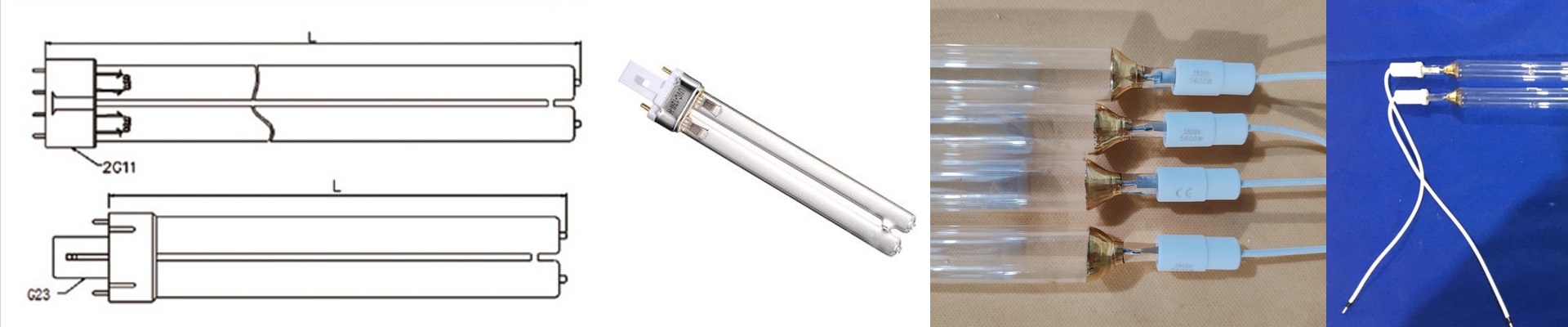
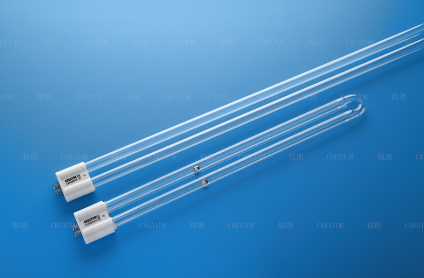
On a high-speed offset or flexo line, milliseconds are the currency. You’re running tens of thousands of flash cures per shift, and the bottleneck isn’t the ink—it’s whether the lamp can start, stop, and repeat without drift. A conventional mercury tube can lag, and that’s when you get wet tails and a cure that’s all over the map.
What matters under the hood
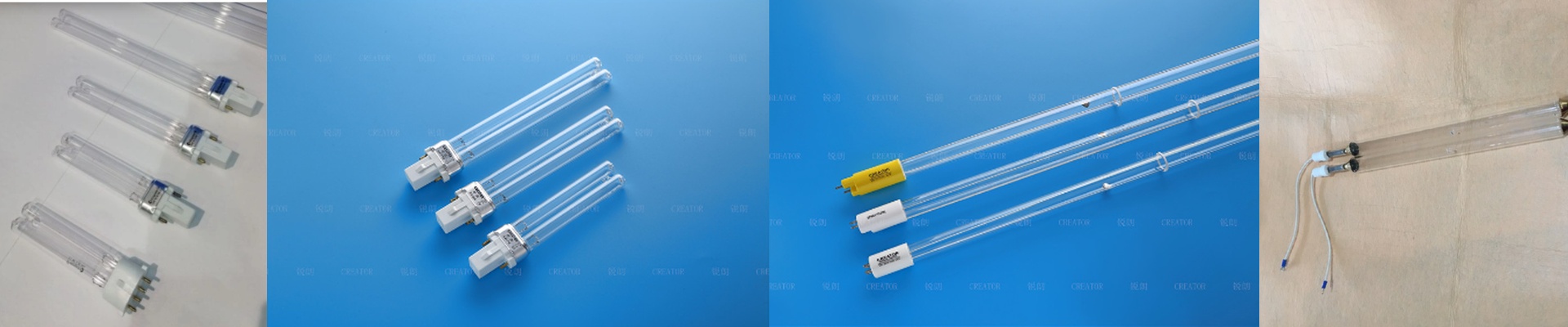
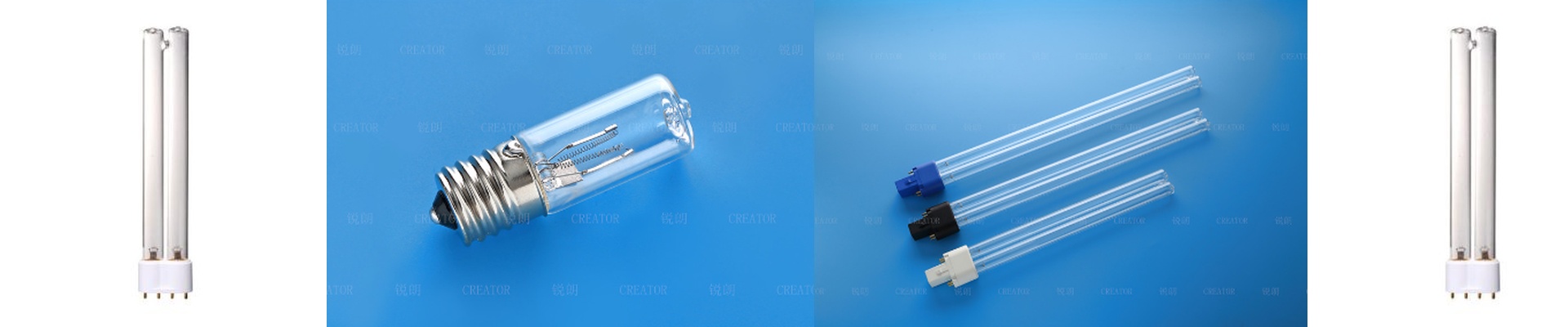
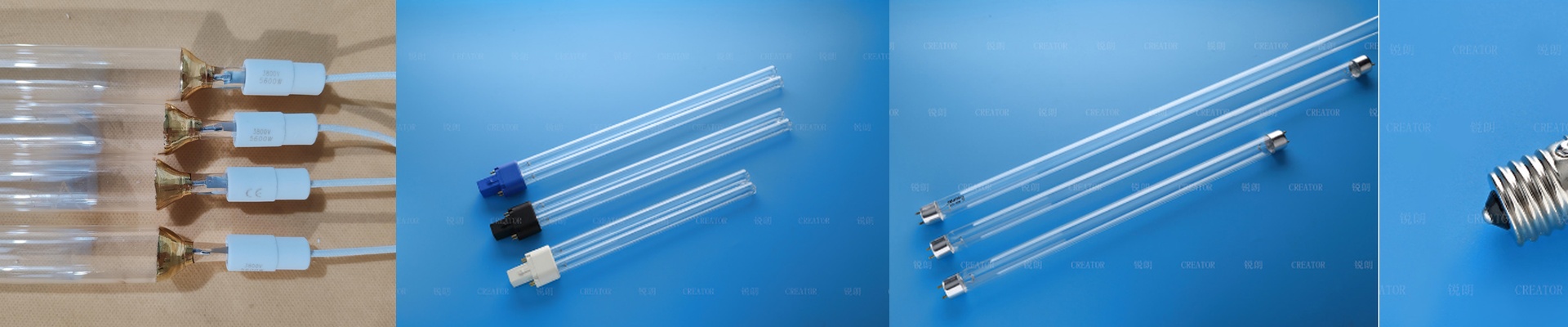
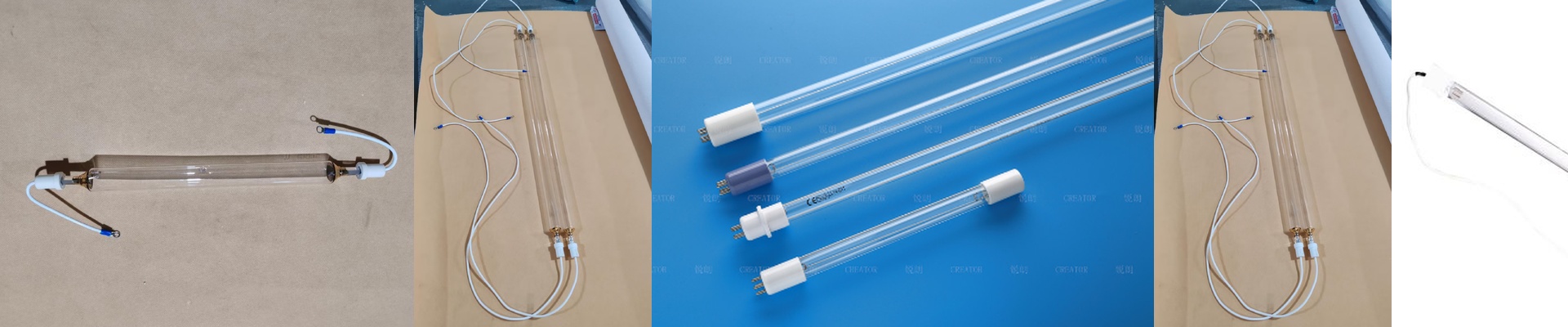
We built the 5kW high-power mercury UV tube around a cathode architecture with low thermal inertia. The geometry and emissive material are chosen to heat and cool fast, so the arc settles within milliseconds after each trigger. Paired with a quartz envelope and optimized mercury vapor pressure, the lamp holds stable spectral output across the UVA band, with strong 365nm and 385nm lines that line up with photoinitiator absorption for quick cross-linking. Peak irradiance at the web stays repeatable, so your dose (mJ/cm²) stays inside the window. Running at 5kW gives you high photon flux without pushing the electrodes into deep thermal cycling.
Why this design survives the shift
In rapid intermittent exposure—think hundreds of thousands of flash events—thermal fatigue is what kills conventional cathodes. Our cathode design fights that degradation, keeping emissivity and arc stability consistent. The payoff is predictable cure on thin films and coated substrates: no under-cure on the trailing edge, and no overheating the substrate. You get more impressions per hour, fewer rejects, and longer stretches between lamp changes.
What to watch on the floor
Match the lamp to the reflector and the power supply. A 5kW mercury tube needs a driver that holds arc voltage steady and handles frequent starts without current overshoot. Make sure the reflector’s dichroic coating is matched to the spectral emphasis you want—otherwise you’re just dumping energy as heat. **Ozone is real at short wavelengths.**Go ozone-free or run an ozone-vented setup, and confirm the lamp-to-substrate distance matches the irradiance profile. Output drops as the lamp ages, so put radiometer checks on the schedule to keep dose repeatable.