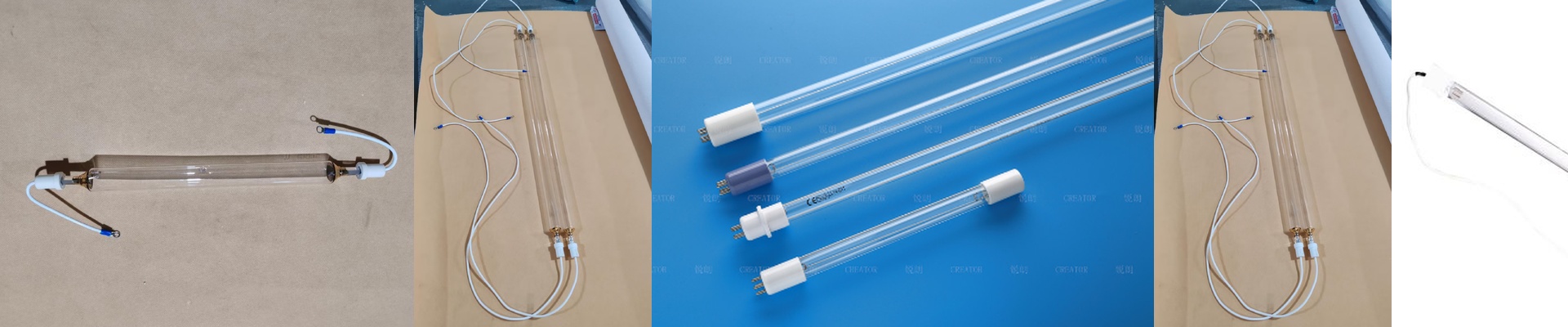
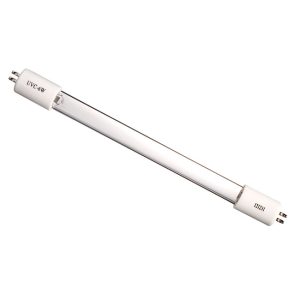
Why CE Certification Actually Matters for Your UV Lamps
When I talk to clients about custom UV lamps, we usually dive straight into the technical stuff—wattage, wavelength, the usual. But if you’re an engineer putting these lamps into a production line in Europe or North America, the first thing you’re probably looking for is that CE mark. It’s easy to think of it as just some bureaucratic paperwork. It’s not. It’s basically a promise that your lamp isn’t going to fry your ballast or, even worse, start a fire in your facility.
What’s actually happening under the hood?
Getting that certification means we have to prove the lamp can handle the heat—literally. We’re talking about Low Voltage Directives (LVD) and Electromagnetic Compatibility (EMC). In plain English? We make sure the insulation doesn’t melt or crack when things get hot. We obsess over the dielectric strength of the quartz and double-check every single end-cap seal. Because here’s the thing: if a seal leaks, the electrodes oxidize. Then the lamp dies way before it should. We don’t just follow a blueprint; we test for leakage current and thermal stability to make sure the thing is safe.
Avoiding the “Cheap” Trap
Nobody in a high-end factory wants to gamble with uncertified gear. Using a lamp without that CE mark is just asking for trouble. Imagine this: a non-compliant lamp trips a breaker or starts messing with your nearby sensors. Suddenly, your whole line is down. The cost of that downtime makes the price of the lamp look like pocket change. When we stick to these standards, you get a lamp that just works. You pop it in, and it doesn’t mess with your electrical setup.
The Honest Trade-off
I’ll be straight with you—doing things the right way takes a bit more time during the prototyping phase. You can’t just “hack” together a custom length and ship it overnight if you want it certified. Every time we tweak the length or the wattage, we have to re-validate the electrical specs. It might feel a little slower at the start. But it beats the hell out of having a catastrophic failure once you’ve wired up a full-scale industrial array.