Chasing the 0.5%: Why a Tiny Shift in UV Light Actually Matters
Most UV lamps you’ll find are kind of sloppy. They throw out a wide band of radiation, but here’s the thing: to actually kill germs, you only need the energy hitting that 253.7nm sweet spot. Everything else? That’s just wasted heat. We spent our R&D time obsessing over how to narrow that focus. We managed to tighten that spectral energy by 0.5%. It sounds small. But in the world of physics, it’s a big deal.
Getting the Physics Right
To hit that level of precision, we had to go back to the basics. We reworked the phosphor mix and cleaned up the quartz envelope. It’s not just about making the light “brighter.” It’s about the ratio. We wanted more UVC and less infrared (IR) radiation. When you tighten that peak, you get more “killing power” for every single watt you pull from the wall. Your ballast runs cooler. Your electric bill goes down. It’s a win-win.
The Nitty-Gritty
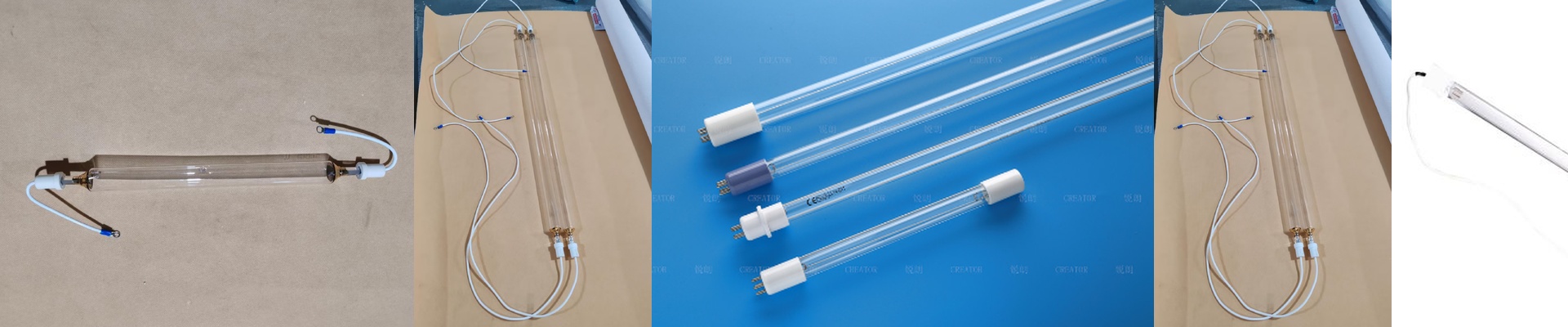
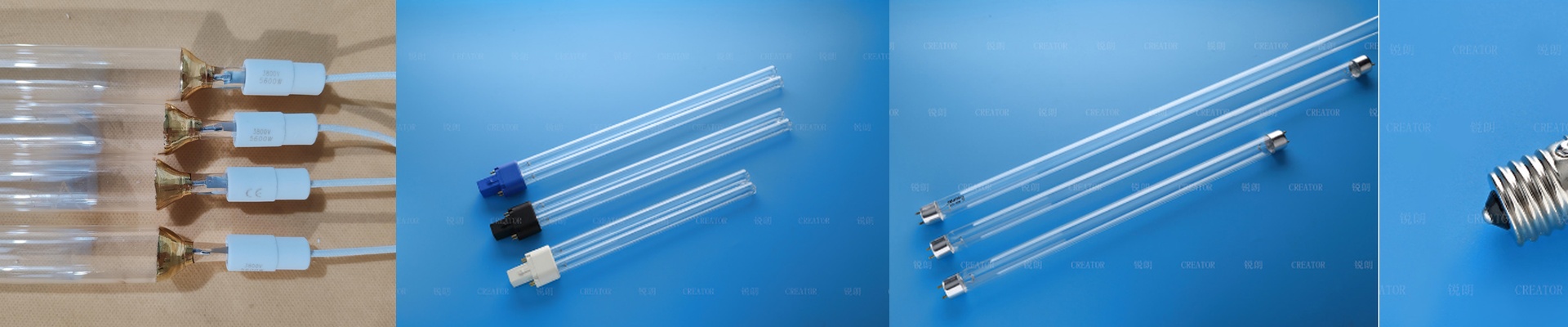
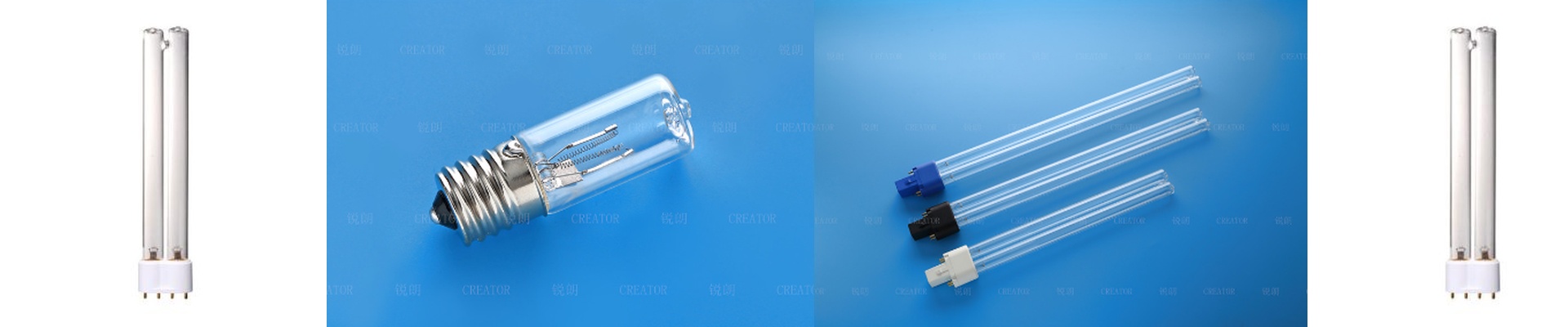
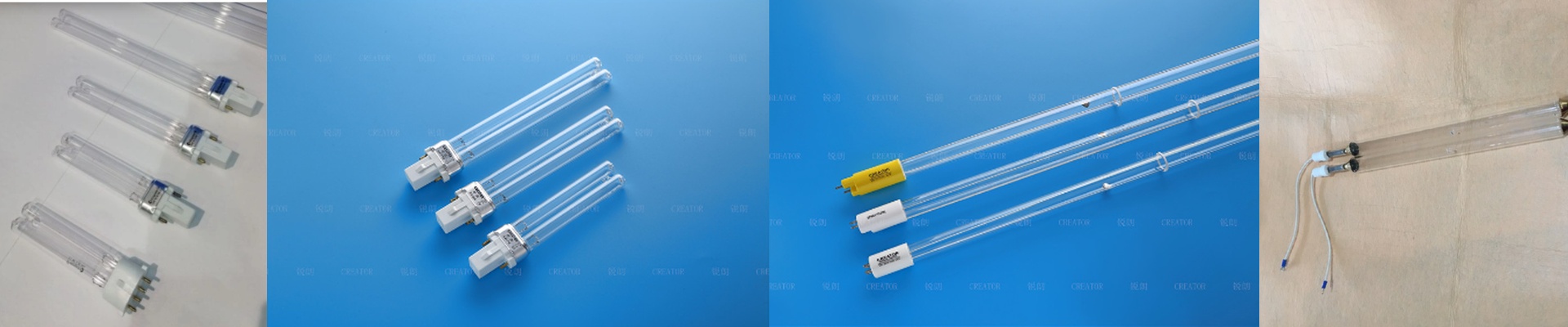
We use high-purity synthetic quartz. Why? Because standard glass can actually swallow UVC photons before they even leave the tube. That’s just throwing energy away. We also doped the electrodes to stop sputtering. You know those lamps that get all black and crusty at the ends right before they die? We fixed that. One heads-up, though. This kind of precision needs a steady hand. If your ballast has a lot of ripple or poor regulation, you’ll lose those energy savings. You need a stable power supply to keep the plasma discharge smooth.
Putting Them to Work
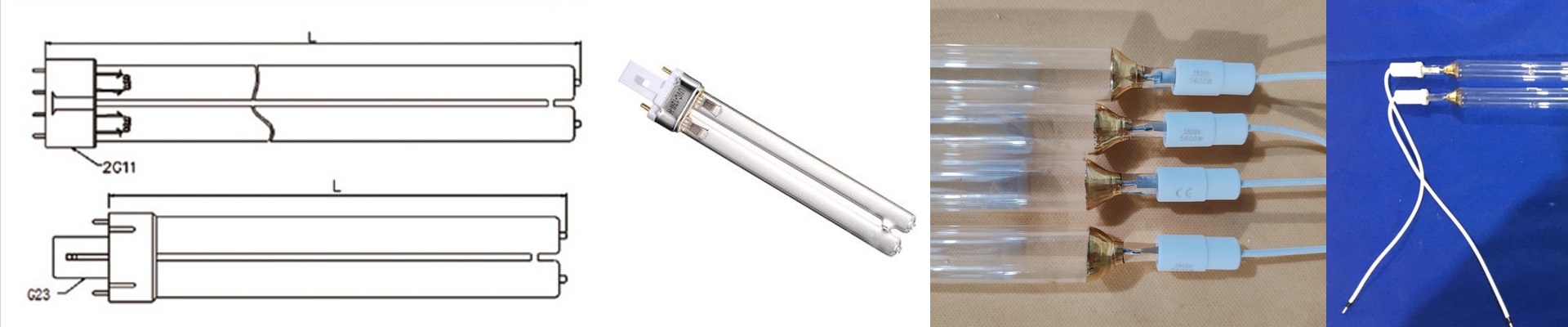
We made these as drop-in replacements. The footprint is exactly the same, so you don’t have to spend your weekend rewiring racks. And because we cut down on the IR waste heat, you can actually pack your lamps closer together. You won’t have to worry about your control cabinet overheating and triggering a thermal shutdown. Just do me a favor: keep your quartz sleeves clean. A bit of dust will kill your UV transmission way faster than any spectral inefficiency ever could.