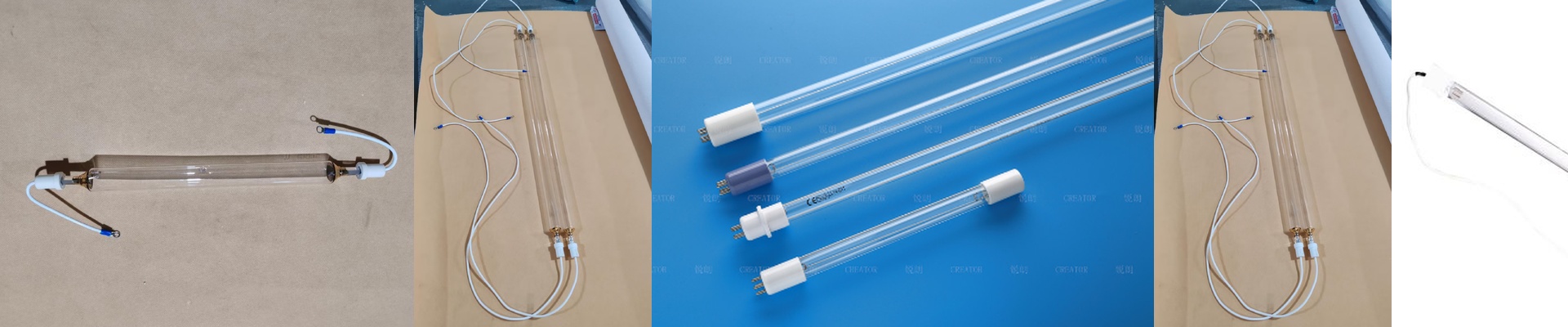
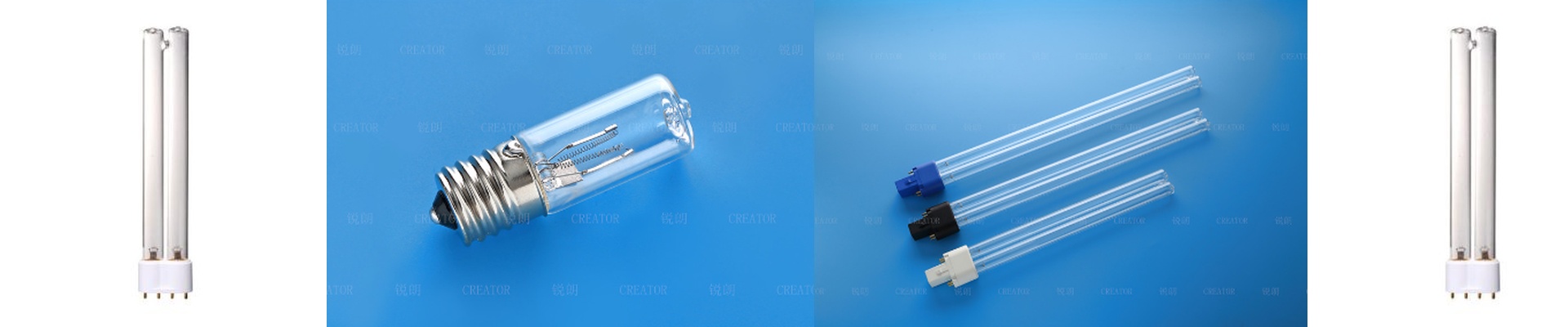
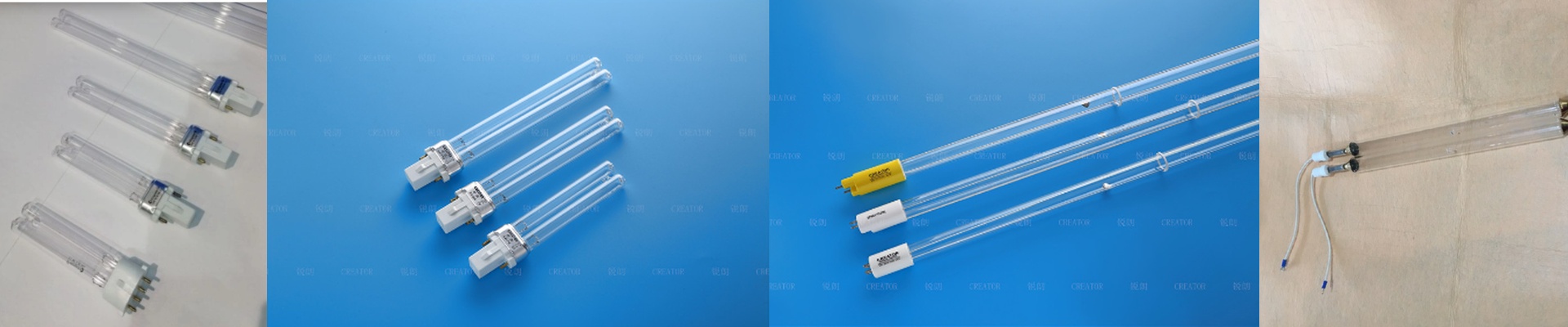
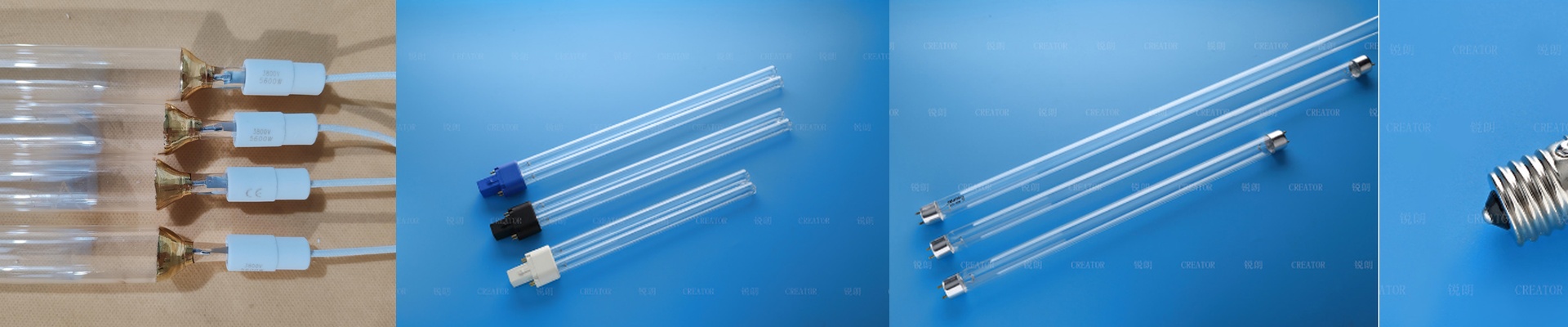
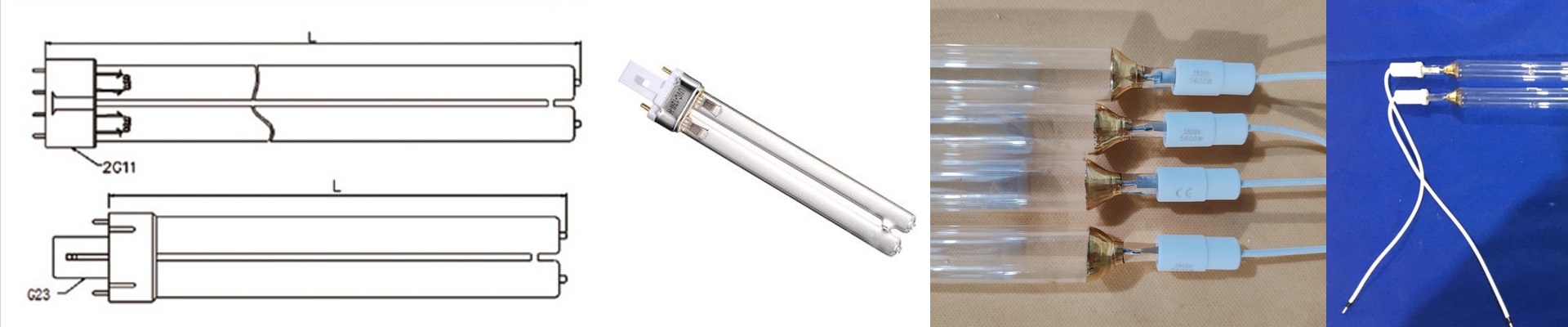
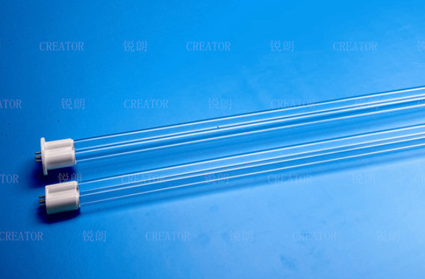
On a food line, microbial load is the quiet killer of shelf life and your brand’s reputation. Once that conveyor pushes packaged product through the final sterilization zone, there’s no room for guesswork. Miss the dose, and you’re risking recalls. Overshoot it, and you’re wasting energy and burning through lamp life. We built the 365nm UVC curing lamp to deliver germicidal action that’s repeatable, measurable, and straight-up reliable. What actually matters under the hood The 365nm UVC lamp hits the DNA and RNA absorption peak, shutting down microbial replication. Peak headline numbers are less important than output stability. This unit holds spectral consistency across the 365nm band, with minimal drift over its life. High-purity quartz envelopes and dichroic reflectors keep irradiance uniform across the full target width, so every square centimeter gets the same dose. You get stable intensity with very little decay through 5,000+ hours, and an ozone-free design that keeps the shop air safe. Why it fits the food plant reality In food workshops, throughput is set in stone, and sanitation cycles have to slot in between runs. The 365nm UVC system hits 99.9% broad-spectrum kill at production speeds by delivering the required dose in millijoules per square centimeter. Because the intensity stays predictable, you can tighten exposure windows without cutting safety margins, trim energy draw, and stretch lamp replacement intervals. The payoff is consistent microbial control on packaging, conveyors, and contact surfaces—no chemical residue to deal with. The shop-floor details that make it work Line-of-sight exposure is non-negotiable—shadows will kill your dose. Keep lamp-to-target distance under control and repeatable. Verify dose with a calibrated radiometer at the work plane, not at the lamp face. The 365nm output is effective, but UVC demands interlocks and shielding—operator safety is not optional. Match the lamp to your fixture’s reflector geometry; a mismatch wastes energy and creates cold spots. Plan cooling and airflow to hold envelope temperature—thermal cycling accelerates output decay.