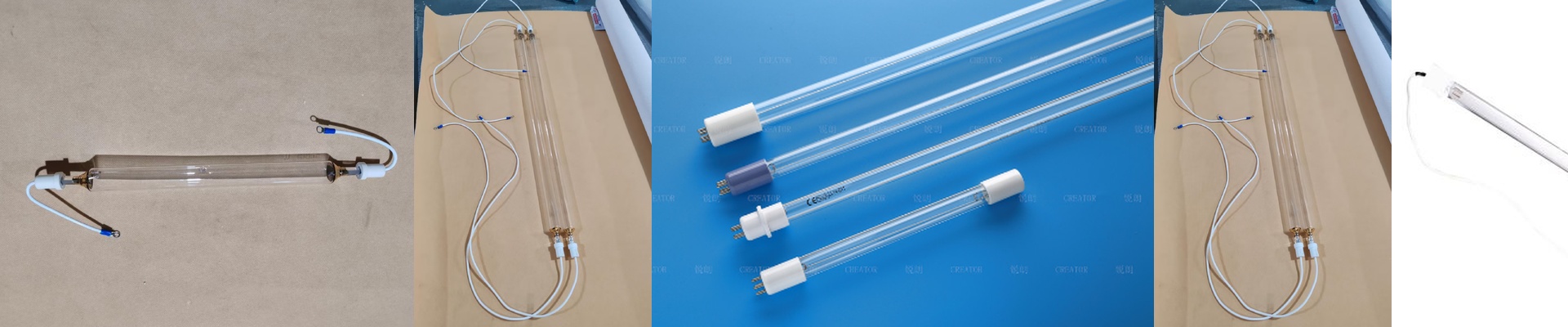
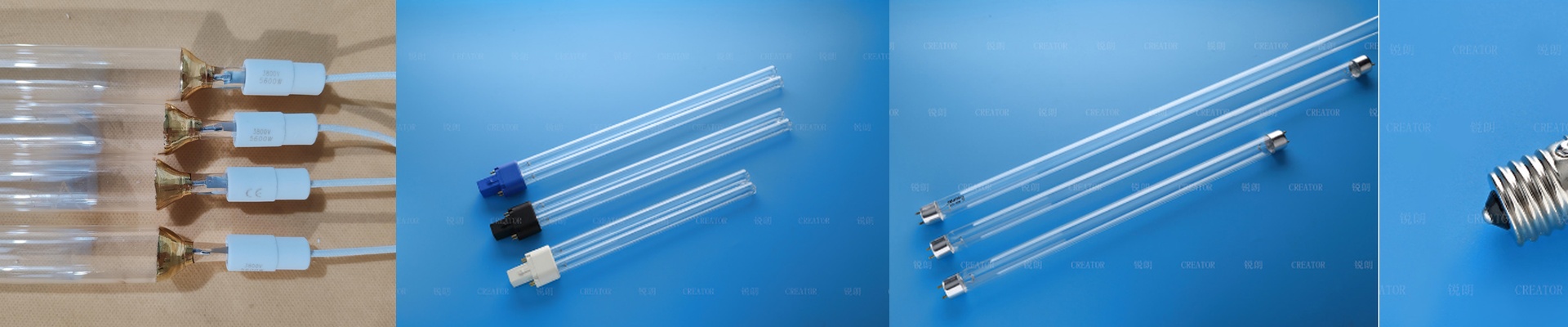
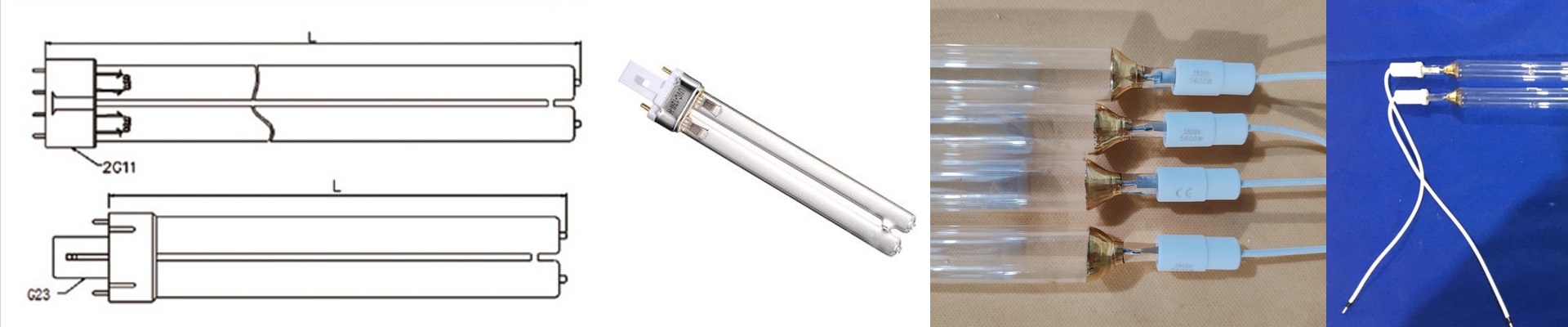
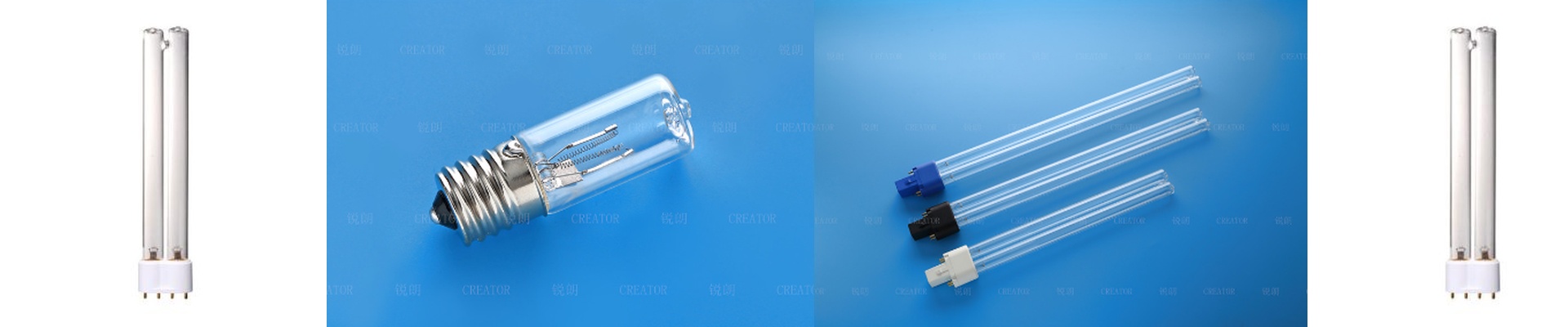
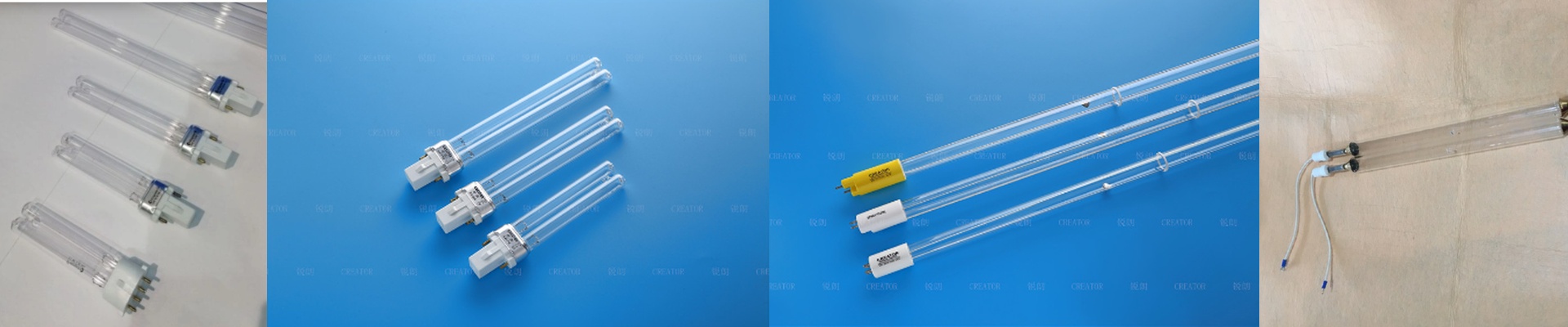
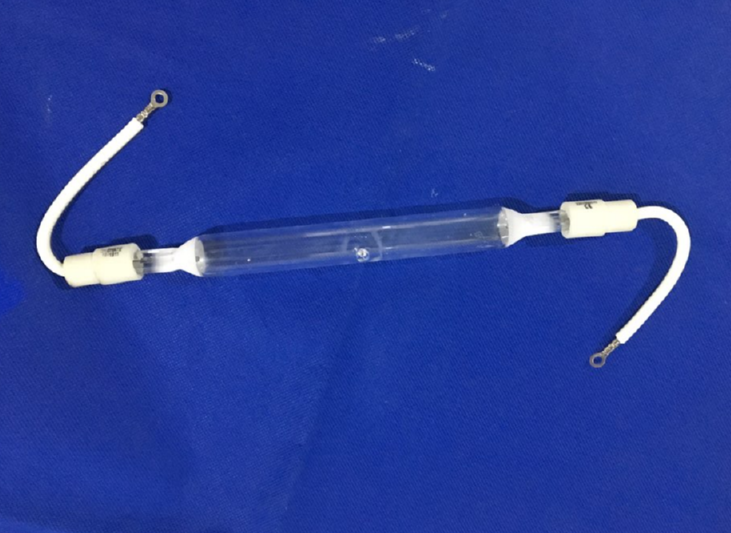
On a screen protector line, a weak edge bond or a tacky surface isn’t cosmetic—it’s scrap. When the UV lamp doesn’t pull its weight, the photoinitiators in the adhesive don’t fully cross-link, and you pay for it in material, rework, and downtime. We built this UV curing lamp for screen protector lines to take the guesswork out: repeatable, measurable energy delivered right where it counts—at the substrate. What matters, technically We’re running a high-pressure mercury vapor lamp with a spectrum tuned to the job. It peaks at 365 nm and stays strong through 385–405 nm, which lines up with how acrylate adhesives absorb. That drives fast cross-linking without cooking thin films. Peak irradiance at the arc hits 12 W/cm², and across the cure window you’re seeing 800–1,200 mJ/cm². A dichroic-coated elliptical reflector keeps the beam tight, cuts spectral loss, and keeps the target cool enough for PET and TPU. Lamp life is rated to 1,500 hours at 80% output, and the quartz envelope is ozone-free. It drops into a standard water-cooled interface, runs on 230 V, and the closed-loop feedback holds output within ±3%. Why it works on this line Screen protector lines move thin films fast, and adhesive thickness is tight. This lamp gives you the headroom to cure in 0.5–1.2 seconds without solvent flash or yellowing, so you can hold 20–40 m/min without giving up edge adhesion. The spectral output stays stable across the width, which cuts down fish-eyes and bubbles. And because the reflector and spectral control focus photons on the adhesive instead of the substrate, you use less energy. Fewer lamp changes means shorter maintenance windows and more uptime. A few shop-floor details Lamp output is sensitive to fixture alignment and cooling. Hold water temperature at 25 °C ±2 °C, and make sure flow meets the minimum spec—otherwise you’ll see hot spots and the lamp ages fast. If you’re running coatings with heavy photoinitiator loading or pigmented adhesives, verify the required mJ/cm² with a radiometer and adjust speed or lamp height accordingly. As for retrofitting, compatibility comes down to reflector geometry and the connector standard, so share your machine footprint before rollout.