Introduction
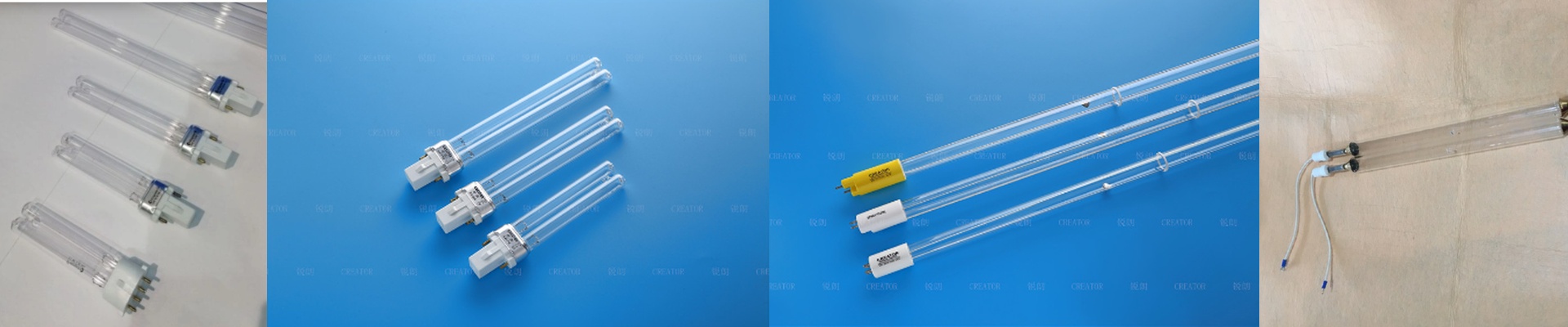
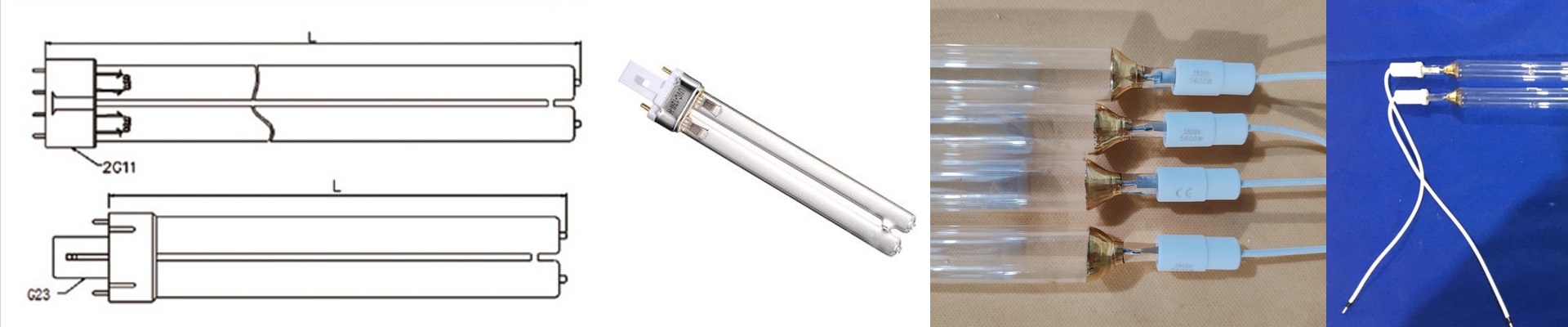
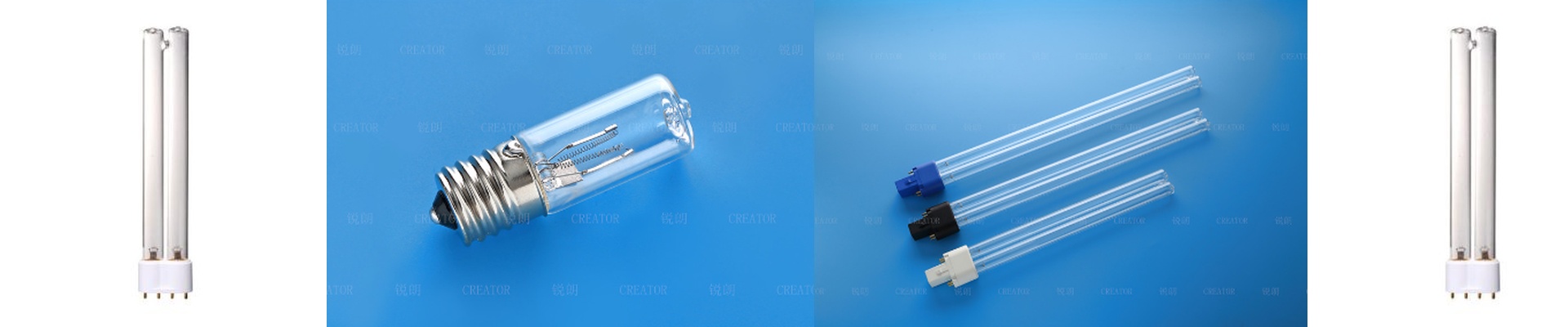
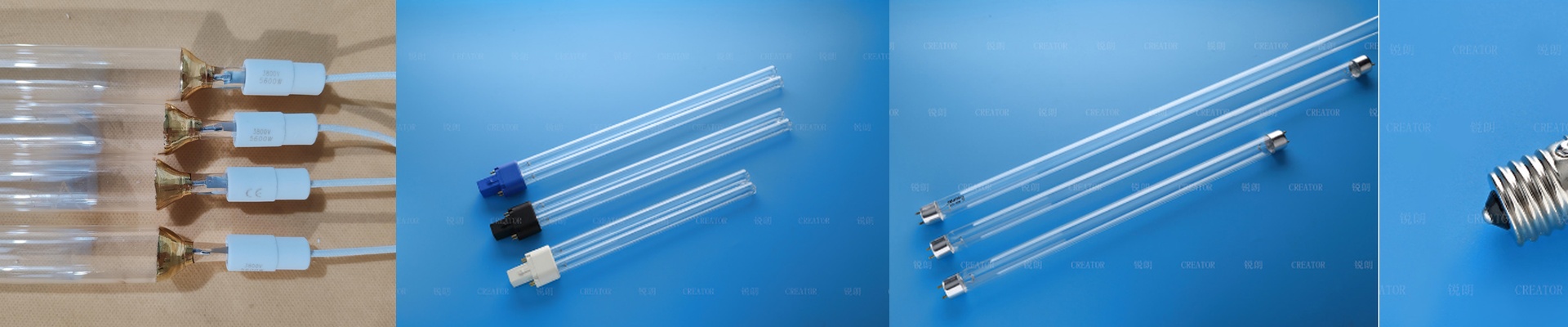
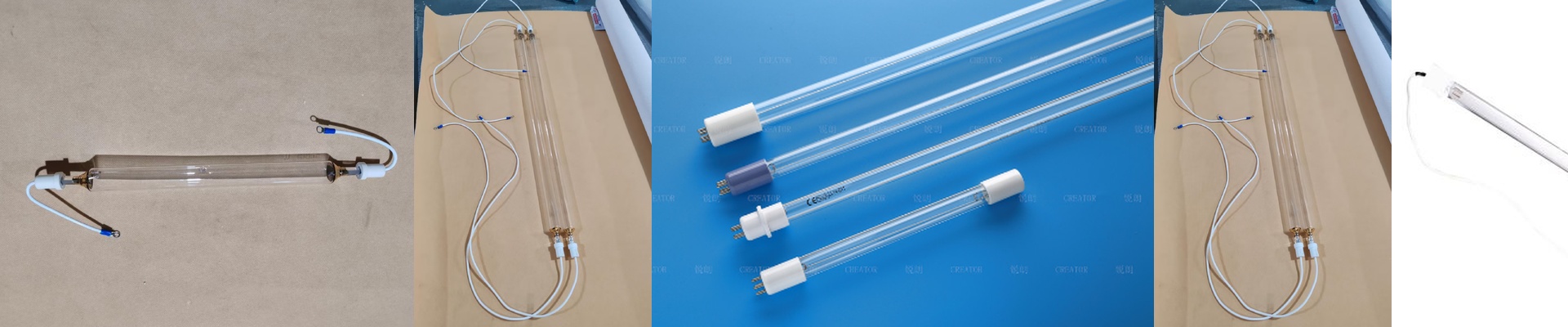
We build UV lamps that are tailor-made for curing adhesives on industrial production lines. Plain and simple. The whole point? Give you a beam that’s rock-solid and intense enough to set adhesives instantly—without scorching whatever you’re bonding. The payoff? Your line keeps moving, and every single bond comes out the same. No surprises, just consistency.
Technical Deep-Dive: Power and Precision
Here’s the thing about these lamps: they’re built around a very specific power profile. We run them on 400V, which fires up the quartz tube and delivers the kind of UV intensity that actually gets the job done. We’re talking millijoules per square centimeter, the real measure that matters for a solid cure. That voltage also keeps the arc stable, so your curing cycle is the same every single time. No guesswork. And the 300mm tube length? It’s intentional. It covers the exact bonding area you need—nothing more, nothing less. You get all the intensity of a high-power lamp, but in a package that slips into tight machine spaces.
Material and Design: Built for the Heat
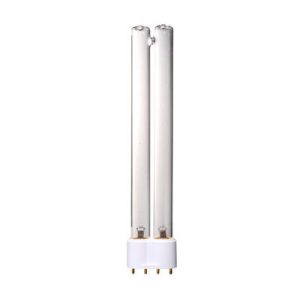
We don’t cut corners with the materials. The body is high-purity quartz, not standard glass. Why? Because quartz can take the heat and lets the UV light through without soaking it up. Inside, we use a halogen gas fill. That bumps up the arc temperature, pushing the UV output higher while keeping the light spectrum steady. And the R7s connector? That’s your no-fuss anchor. It handles the high current, locks the lamp in place, and makes the whole thing a straight drop-in replacement. No messing with custom brackets. Just wire it up and go.
Application and Performance: Speed, Control, and Trade-offs
When you’re curing adhesive, speed comes from packing heat into a tight space. Our lamp delivers that density, which cuts cure times and keeps your throughput climbing. The quartz tube has a special coating that focuses the UV spectrum, so the adhesive actually cures—not just gets warm. But here’s the reality check: high heat density means the lamp runs hot. That’s not a flaw. It’s just physics. So your equipment needs to handle the heat. If the surrounding temperature climbs, the lamp’s output can drift. Plan your cooling from the start, and you get rock-solid curing. Skip it, and you risk bonds that don’t fully set. We build the lamp to perform. You build the system to manage the heat. That’s how it works.