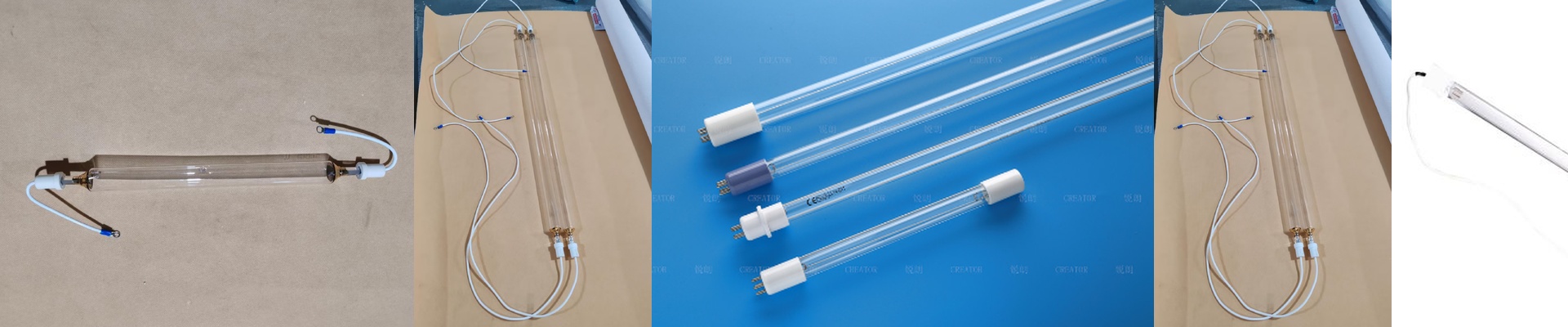
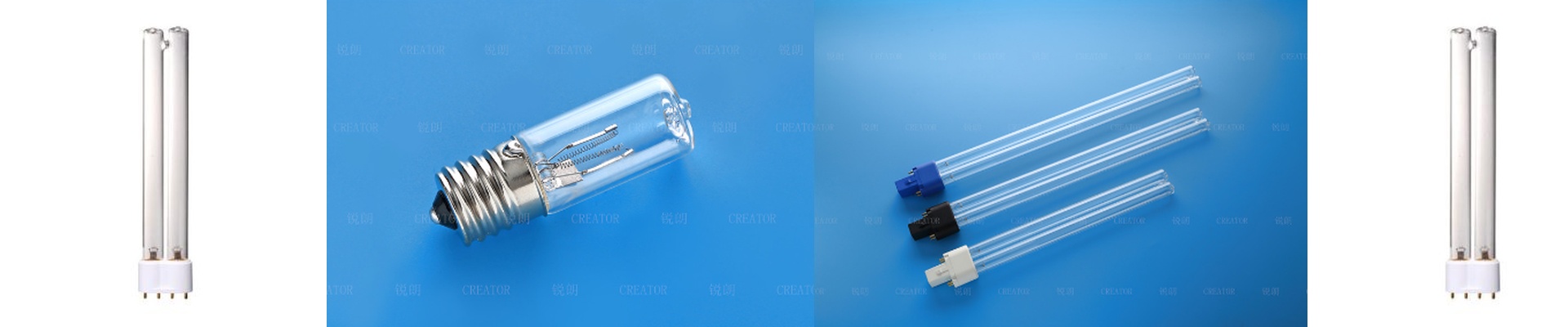
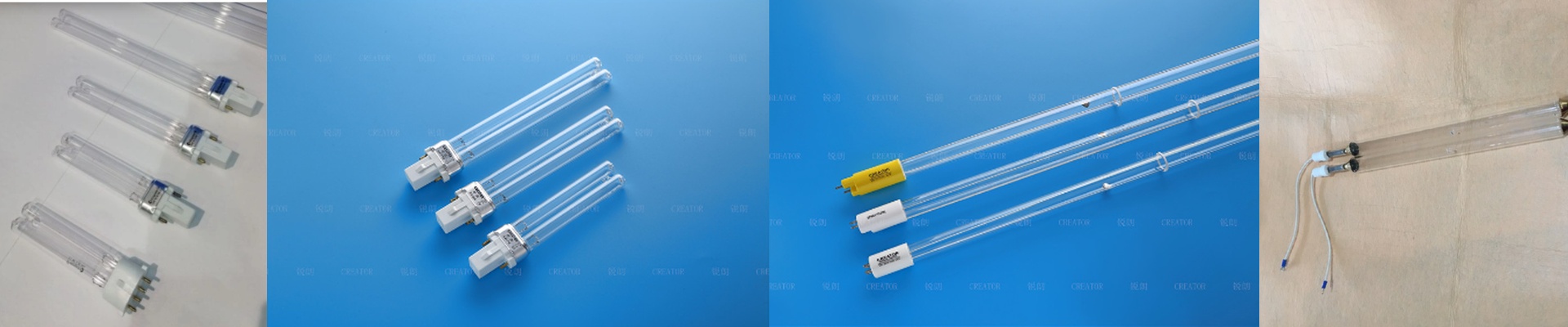
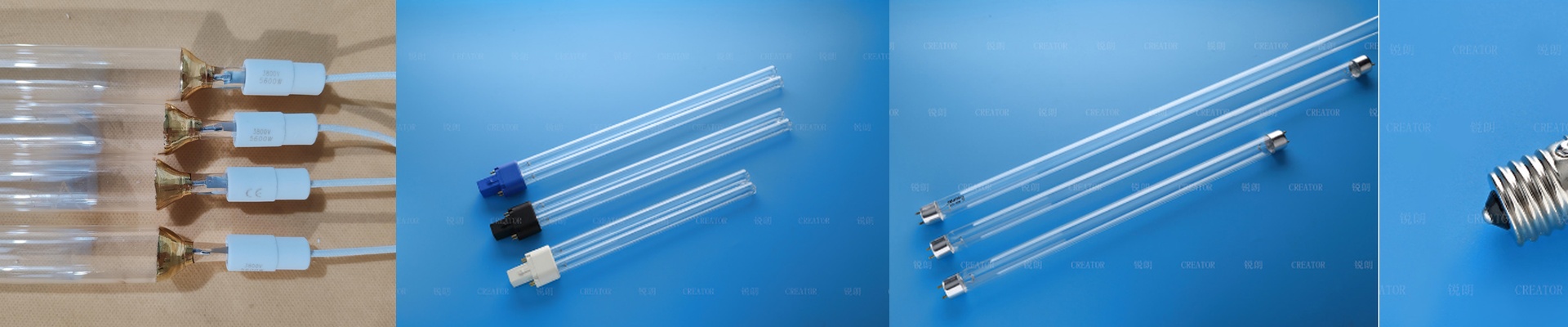
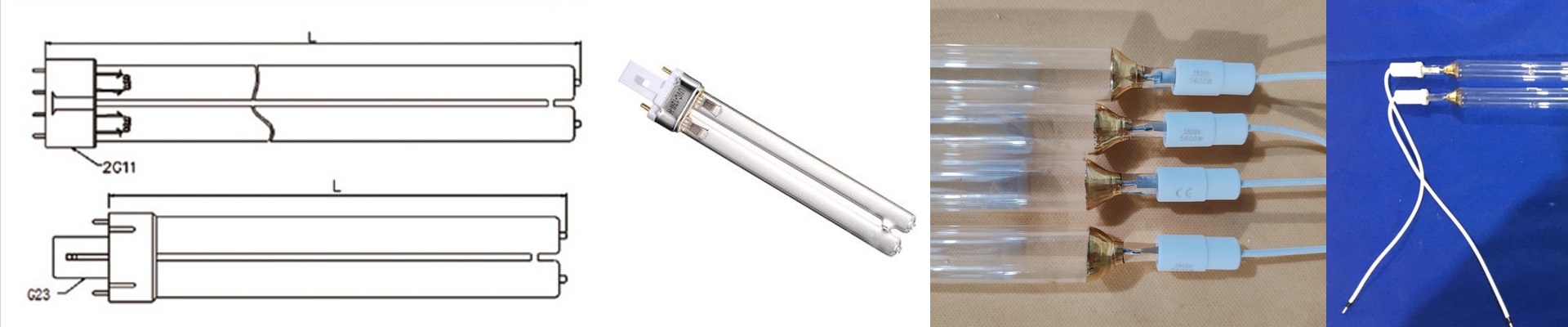
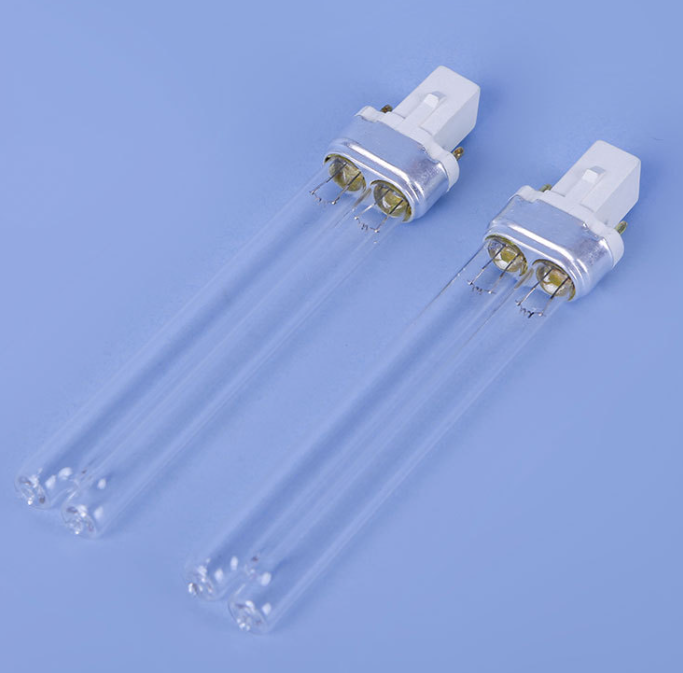
Out on the floor, printing outdoor canvas, it’s not just about how fast the ink sets. It’s about how long the image holds up when UV, rain, and big temperature swings hit it. With UV-cured inks on flexible media, the lamp’s spectral output and energy density are what drive cross-linking density—the kind that fights fading. When an existing lamp’s output drops off, curing gets marginal. You end up with ink that never fully cures, and you watch adhesion and color integrity fall apart in months. What actually matters under the hood Miltec UV replacement lamps are built for the high-pressure mercury vapor systems running UV offset, flexo, and screen lines. They hold stable spectral output at 365 nm, with a secondary peak at 313 nm and broad UVA/UVB coverage, so photoinitiators across the ink layer get fully excited. Peak irradiance stays above 12 W/cm² at the arc length, and energy density stays consistent across the substrate. This isn’t about “brightness”—it’s about repeatable curing energy. The lamps use ozone-free quartz envelopes and dichroic reflectors to put the output where it needs to be: on the substrate, not dumped into the chamber as waste heat. Why this matters for outdoor canvas work With outdoor advertising canvas, colorfastness comes down to curing all the way through the ink film, not just skinning the surface. Miltec replacements bring the machine back to its designed UV dose, so you get full cross-linking even when you’re running at high line speeds. The payoff is a cured layer that stands up better to UV degradation and moisture, keeping colors true for years. And because the output curve stays stable, you get less job-to-job variability—consistent adhesion and scratch resistance roll after roll. The shop-floor details you can’t skip Matching connector type, arc length, and wattage isn’t optional. Check ballast compatibility and end-of-life circuits, and make sure the lamp housing and reflector are clean—output falls fast when dust or oxidation builds up. Expect a warm-up period to hit stable spectral output; run the line until the lamp output settles before you start critical color work. Plan the replacement around your production window, too, so you don’t end up chasing marginal cures that only show up after the canvas is installed.