The Real Story Behind Our Gallium Iodide UV Lamps
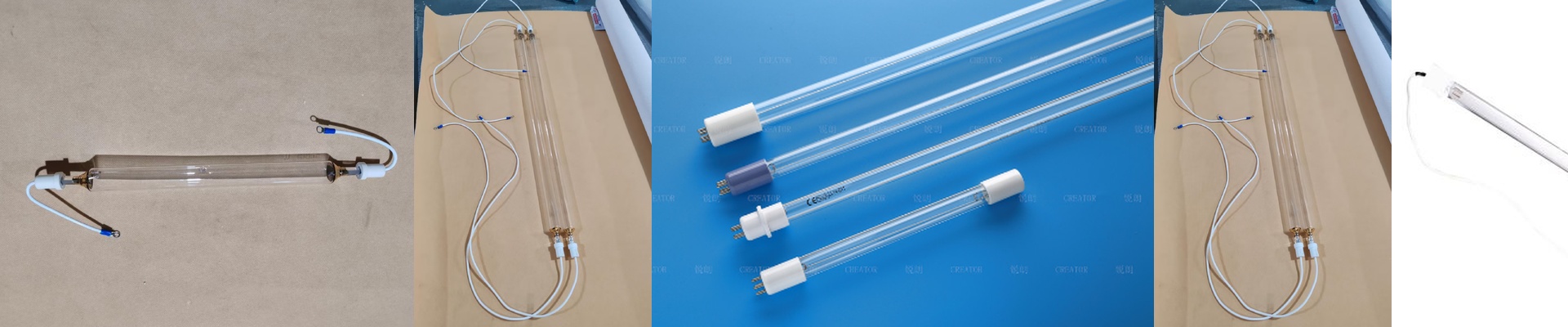
For fifteen years, we’ve been obsessing over the chemistry and glasswork that goes into Gallium Iodide (GaI) lamps. We started out just putting other people’s names on white-label products, but we wanted more. We wanted to build something that could actually go toe-to-toe with the biggest brands in the world.
Getting the Physics Right
Standard mercury lamps are fine for some things, but GaI lamps are a different beast. They hit very specific UV spectral lines. Here’s the trick: we spend a lot of time dialing in the gas fill and iodide concentration. Why? Because if you get it wrong, you get “flicker” or the output starts to drift. In a real production environment, that drift is a nightmare—it ruins your run. We make sure the light is steady and consistent from one end of the tube to the other.
Heat and Glass (The Hard Part)
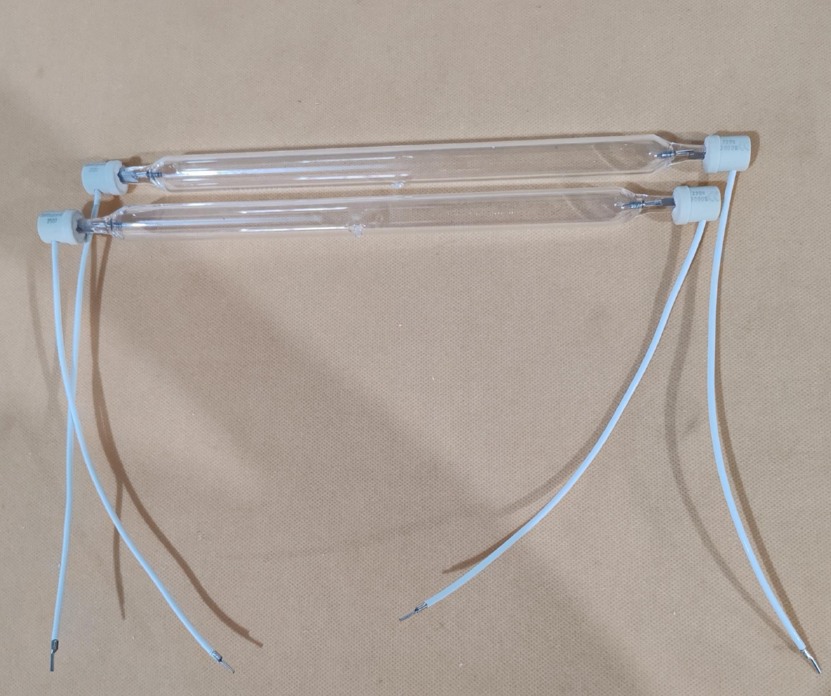
We use high-purity fused quartz to hold the mixture. We’ve tried the cheaper stuff. It doesn’t work. Lower-grade quartz clouds up under intense UV—a process called solarization—and your lamp burns out way too fast. And then there’s the heat. It getsintensein there. We spec our electrodes to take a beating from high current loads without pitting. But a word of advice: don’t crank the wattage if your cooling jacket can’t keep up. If you do, you risk warping the quartz or even cracking it from thermal shock. Your cooling system needs to be up to the task.
Making it Actually Work in Your Shop
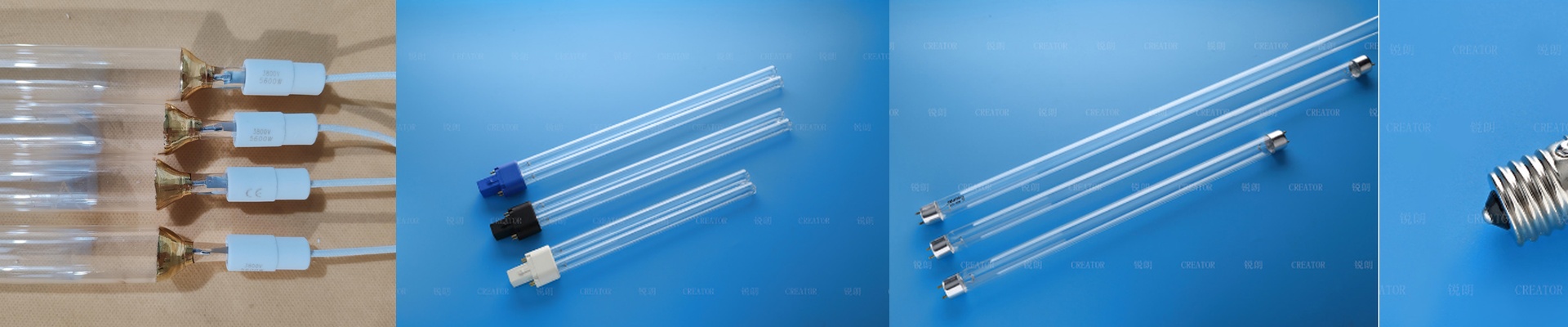
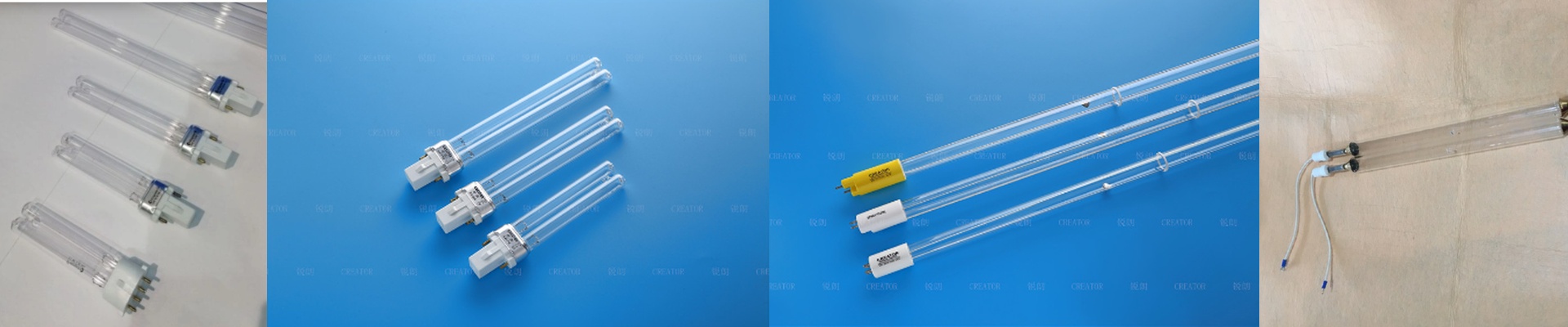
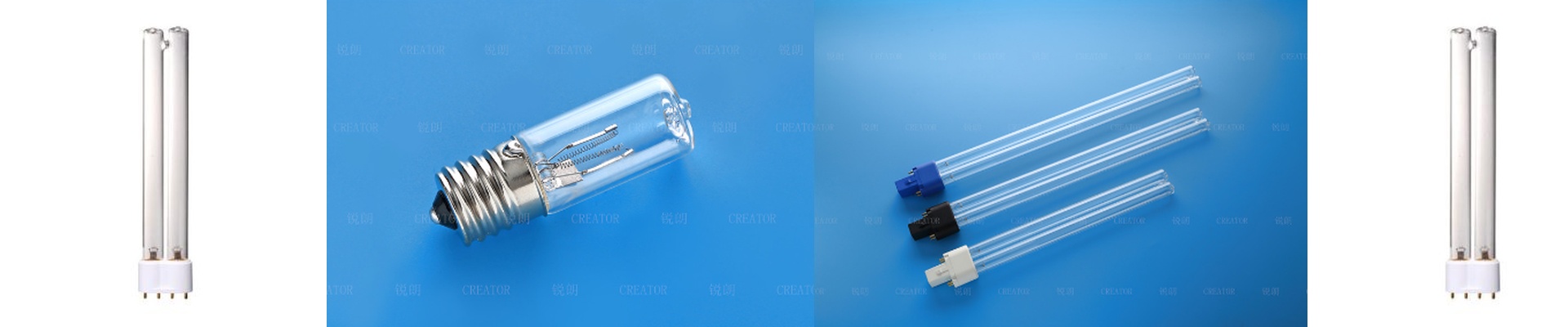
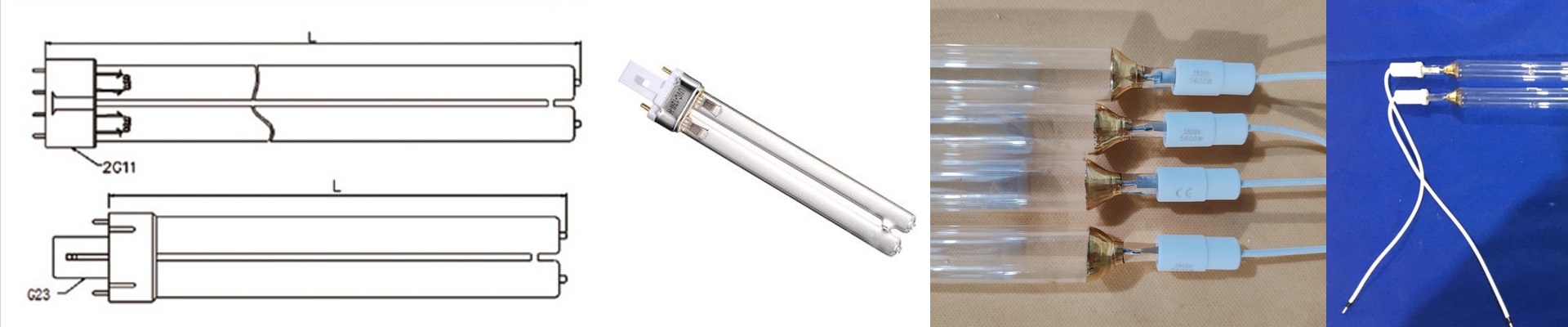
We designed these to be simple drop-in replacements. You shouldn’t have to rebuild your whole system just to swap a bulb. We’re picky about the mechanical fit of the end-caps and pins. If the connection is loose, you get arcing. And arcing fries your socket. It’s that simple. Plus, we test every single batch for purity and brightness. By cleaning up the iodide levels, we’ve managed to make the lamps last longer. That means you spend less time stopping your machines to swap out bulbs and more time actually producing.