Introduction
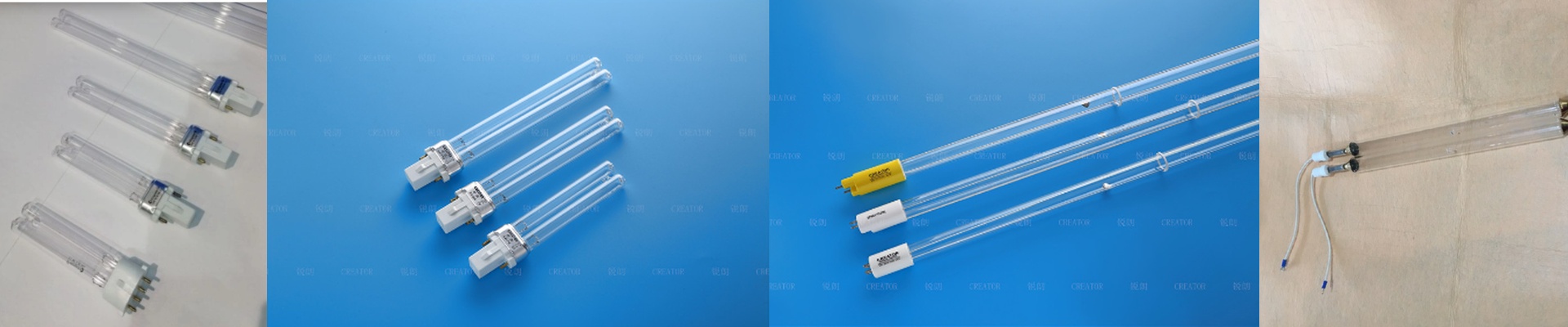
In flexo printing, the UV curing step is where the whole game is won or lost. That’s why we built the Gallium Iodide lamp for this exact moment. It’s not some off-the-shelf light—it’s a focused tool designed to give you rock-solid output, so you can kiss pattern blur and ink halation goodbye. It’s all about giving you crisp lines and a cure you can count on, again and again.
Power, Fit, and What It Demands
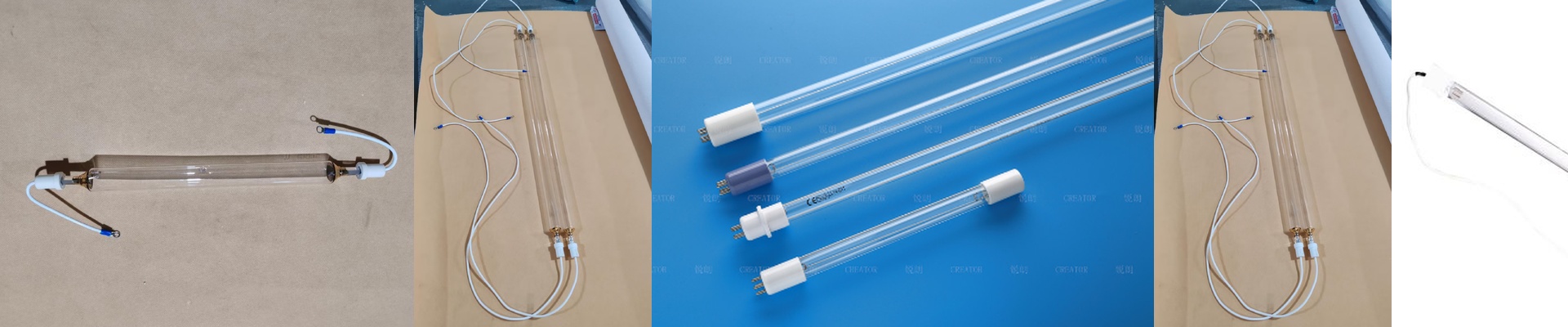
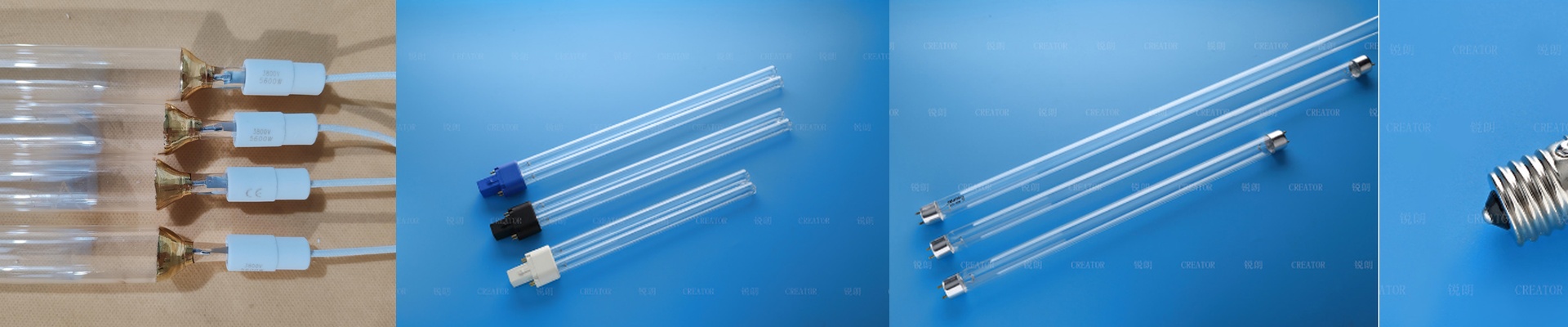
Let’s get into what makes this lamp tick. It runs on high voltage—400V—and packs a dense punch at around 2500W, all squeezed into a 300mm tube. That’s how it delivers the intense shortwave UV you need for fast polymerization. The size is a gift: it drops right into existing curing stations without forcing you to redesign the line. But here’s the catch—packing that much power into such a small space means it runs hot. Seriously hot. So make sure your machine’s cooling is up to the job. Plan for strong airflow or water-cooling. Keep the lamp at a stable temperature, and it’ll keep your output stable, too.
What It’s Built From, and Why It Matters
At the heart of it is a quartz envelope. We chose quartz because it handles heat shock like a champ and transmits UV beautifully. Then we apply a precise gallium iodide doping and a protective coating to lock in the spectral output. The payoff? Output that stays steady over time, with far less drift. That’s exactly what you need when your cure profile has to be the same shift after shift. And for hooking it up, we use an R7s connector. It locks the lamp in place with solid, reliable contact, so voltage drop stays low and power delivery stays steady. No flicker. No wild swings in intensity. Just consistent curing.
Real-World Fixes for Real Press Problems
On the Flexo line, this lamp tackles two headaches that keep coming back: blurred edges and ink migration. The consistent shortwave output sets the ink surface fast, which keeps dots from spreading and stops halation. Swapping it in is simple thanks to the R7s connection—less changeover time, less hassle. Just remember: this thing runs hot and hard. Treat your cooling circuit as part of the lamp system. When it’s matched to a press with proper cooling, you get repeatable, high-intensity curing that keeps your print sharp—shift after shift.