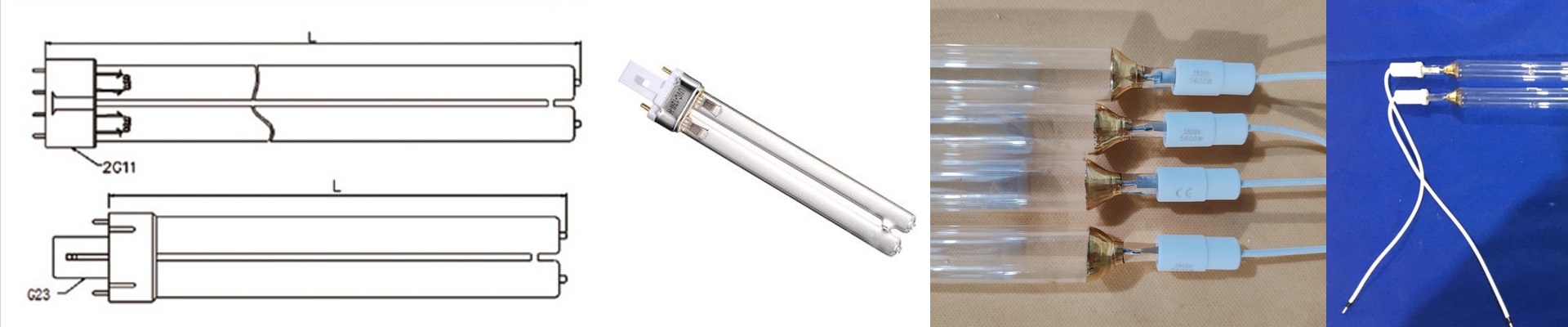
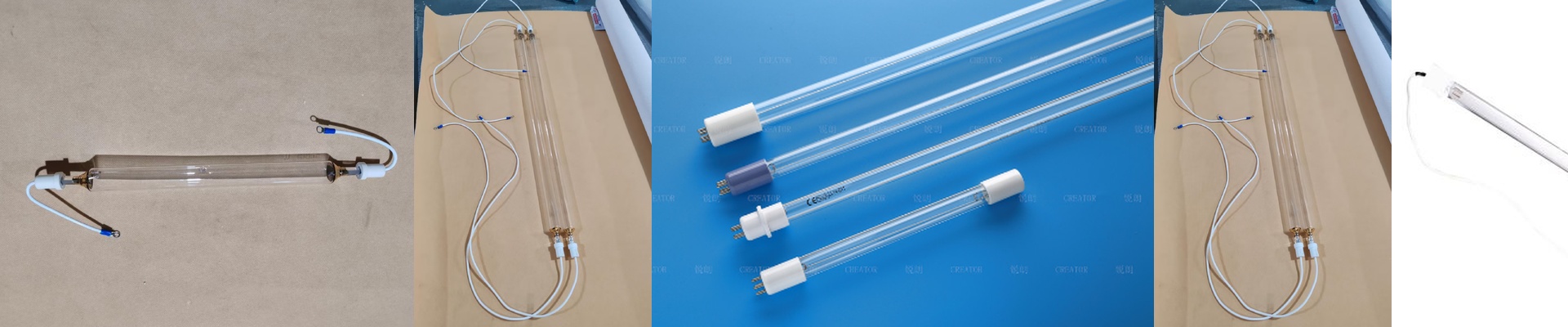
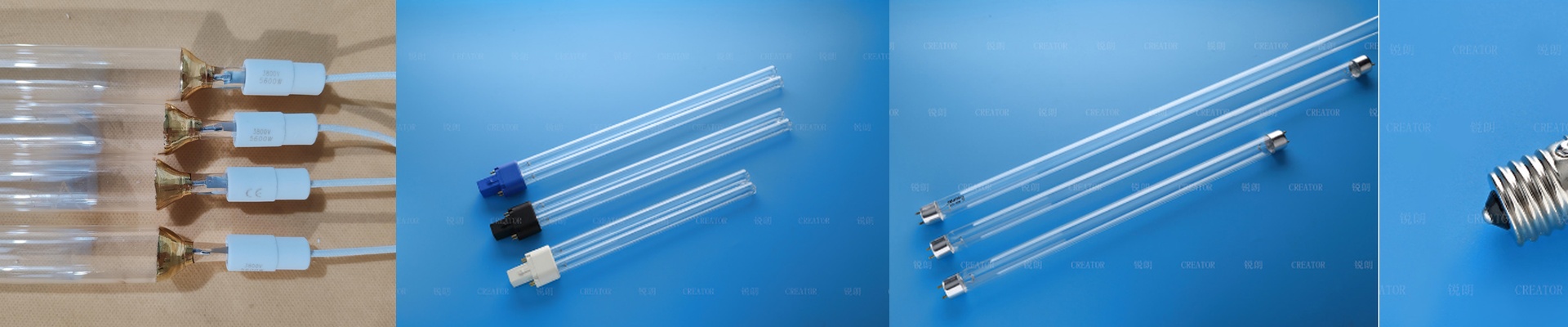
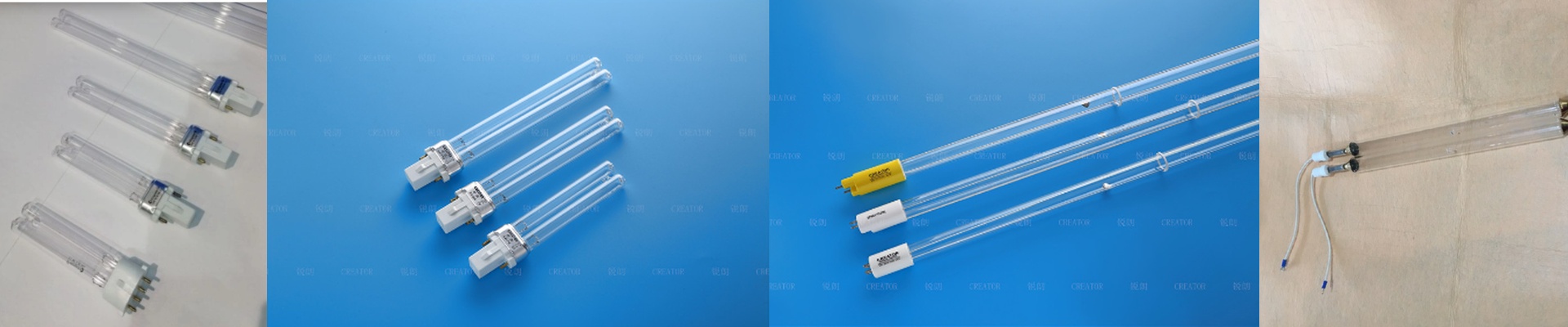
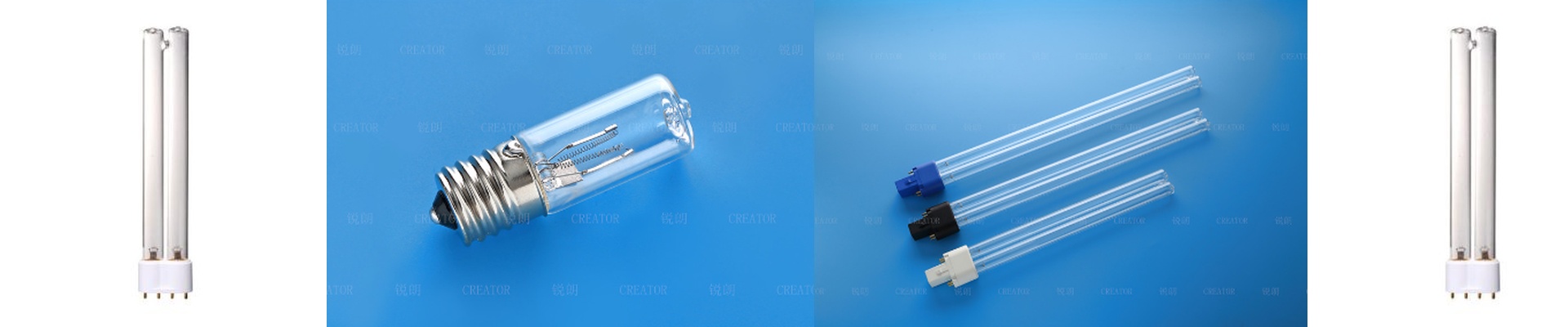
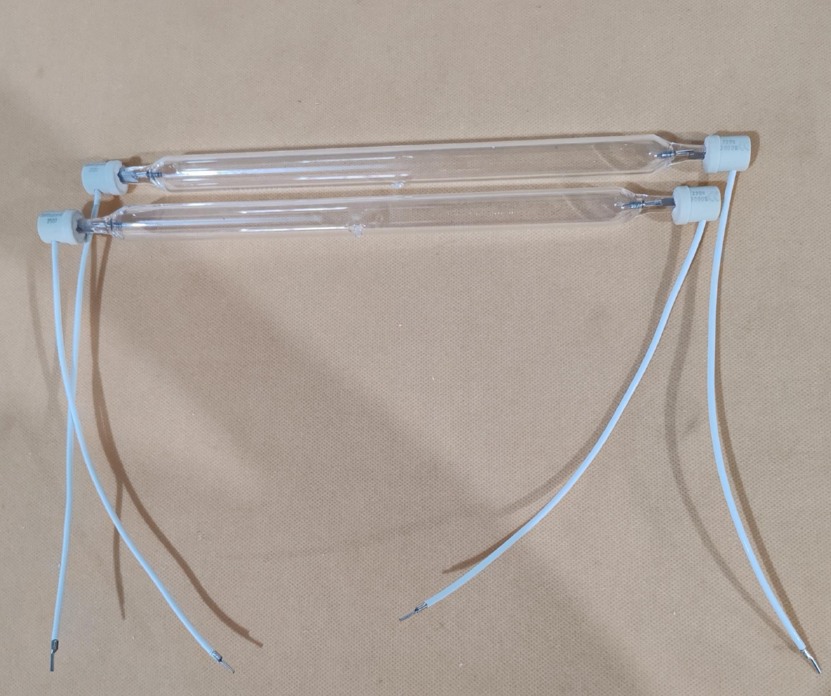
On the press floor, a UV lamp that doesn’t match the job doesn’t just slow you down. It leaves coating uncured, it causes inter-coat adhesion failure, and it gives you solvent trap in the stack. We build UV coating curing lamps around the spectral reality of photoinitiators and the physics of mercury vapor discharge. That’s how you run the same coating on offset, flexo, and screen and get repeatable cross-linking, job after job. What matters technically UV curing isn’t “UV” in the abstract. It’s specific wavelength delivered at enough peak irradiance and energy density to finish the reaction. Standard high-pressure mercury vapor lamps punch out strong output at 365 nm and 395 nm, right where many photoinitiators in UV topcoats and varnishes absorb. We specify the lamp by spectral output, arc length, and reflector geometry so the dose at the substrate actually hits the coating’s required mJ/cm². Output stays stable over life, with controlled degradation curves, and dichroic reflectors that focus irradiance onto the web—not into the cabinet. Why it works where you run it On offset, the lamp has to fit the delivery and impression cylinder geometry without fighting it. On flexo and screen, it has to match the dwell envelope and ink film thickness while keeping anilox and screen mesh from cooking. We pick lamp power and spectral profile to suit press speed and substrate. Thin films need higher peak irradiance. Thick coatings need dwell time and uniformity. The payoff is fewer rejects, consistent surface hardness, and less solvent load on the dryer, while staying ozone-free in most configurations. Here is the part people miss UV lamps are not plug-and-play across every press. Match reflector width, focal distance, and shutter design to the machine. Mismatched reflectors give you hot spots and uneven cure. Curing performance also hinges on lamp temperature and cooling airflow. Restricted airflow shifts the spectral balance and shortens lamp life. Before you change over, confirm the electrical interface, ignition method, and shutter clearance with your press OEM.