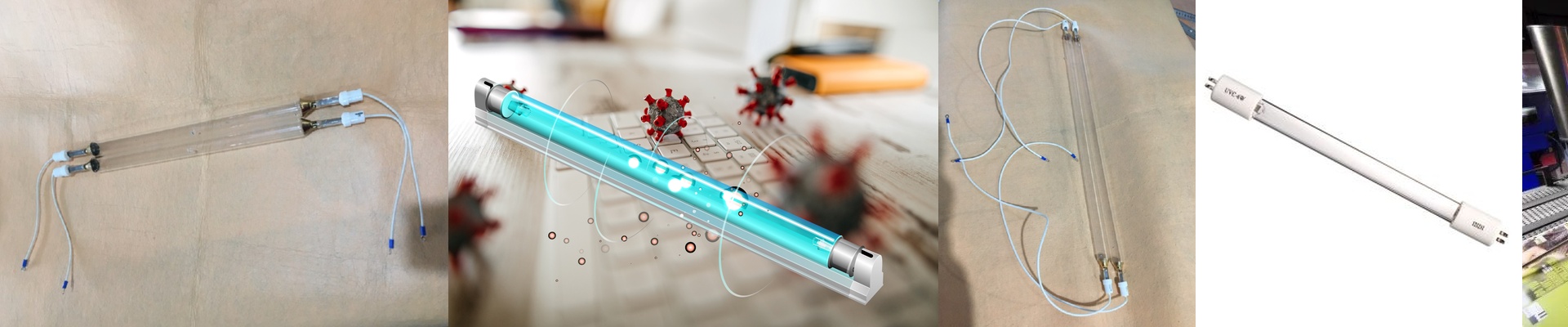
Getting UV Lamps Right for Textile Printing
When we build UV germicidal lamps for textile prints, we’re chasing a tricky balance. You need to kill off contaminants and lock that ink in place, but you can’t go so hard that you actually scorch the fabric. In a high-end print line, it’s less about “sterilizing” and more about managing a chemical reaction. If you get it right, the colors stay vibrant and the print actually sticks.
The Glass Matters More Than You Think
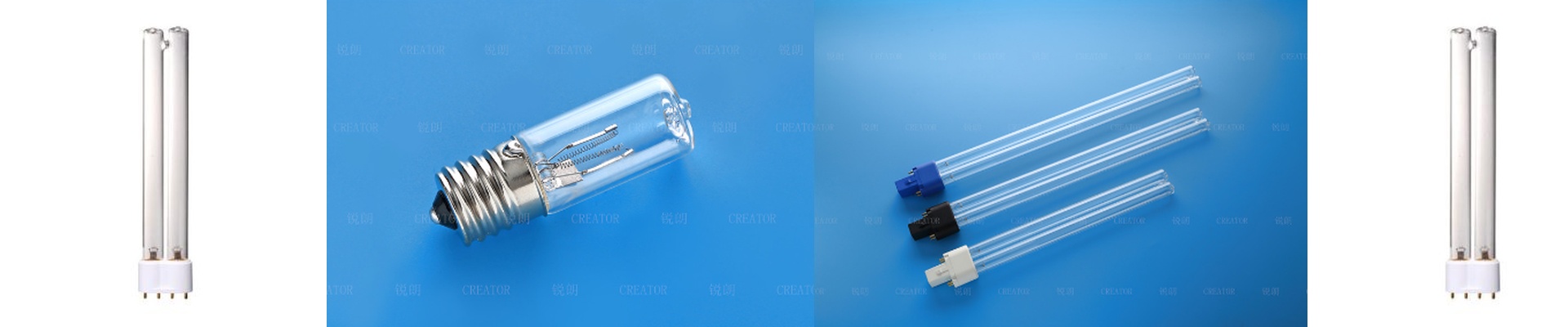
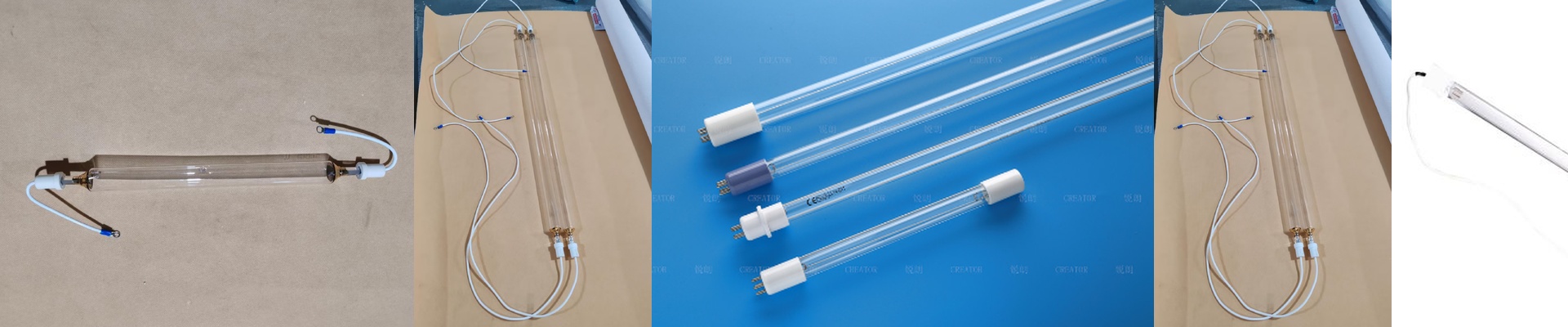
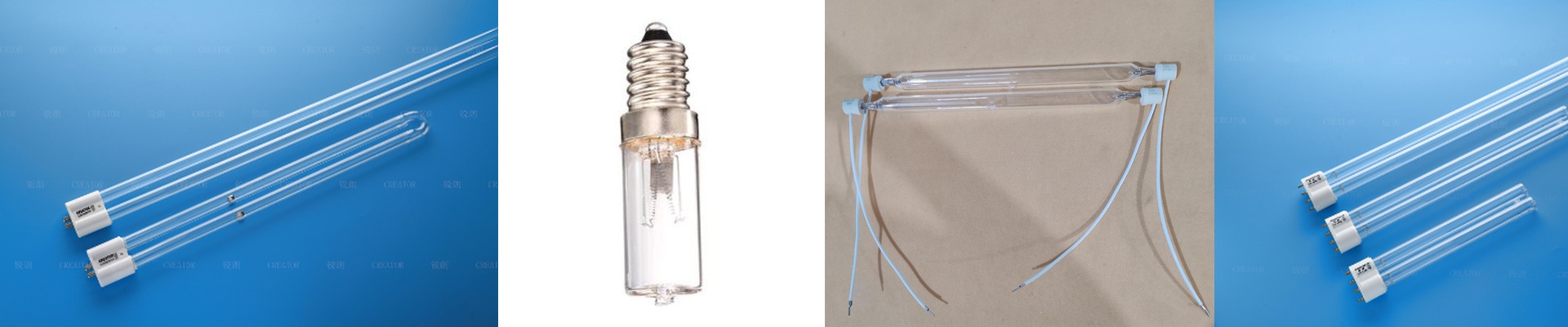
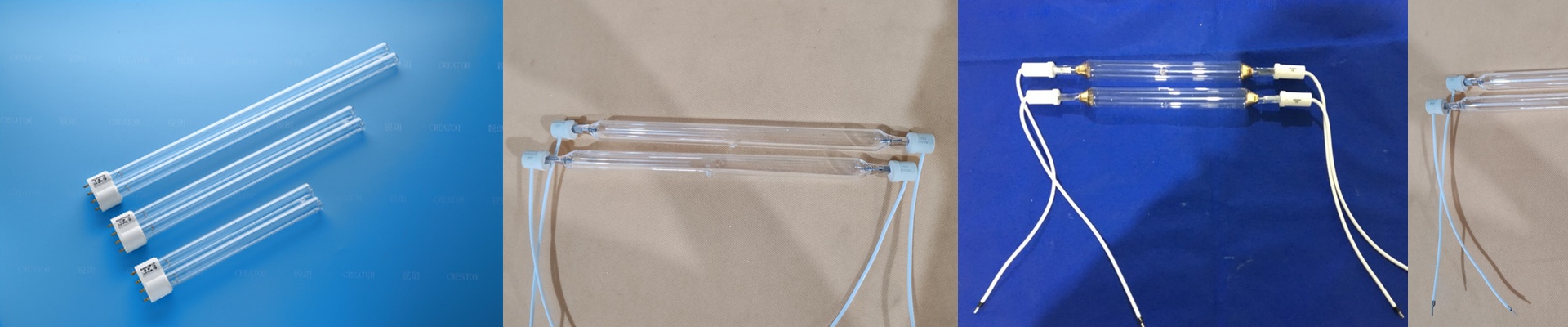
It all starts with the quartz envelope. We use high-purity fused quartz because it lets those 253.7 nm UV-C waves pass right through. Cheap glass? Forget it. It blocks the wavelengths, which means your lamp is basically just a fancy lightbulb that doesn’t actually cure anything. We also spend a lot of time calibrating the gas fill—the mercury vapor and inert gases—so the arc stays stable and the lamp doesn’t burn out way before its time.
Watching the Heat
Here is where a lot of engineers trip up: matching the wattage to the belt speed. If you crank up a high-wattage tube on a slow-moving line, you’re going to cook your fabric. It’s a disaster. You have to balance the UV dose (mJ/cm²) against how much heat the material can actually take. We spec our lamps to keep that energy consistent across the whole width of the web. And a quick heads-up on the electrics. A high-output UV array pulls a lot of power. If your system isn’t ready for that initial surge when you flip the switch, you’ll be tripping breakers all morning.
Staying Safe (and Keeping Things Sharp)
These aren’t exactly “plug and play” devices. You can’t just stick them in and walk away. UV-C is brutal on the body—it’ll burn your skin and mess up your eyes in seconds. That’s why we insist on wiring them into a system with interlocks and shielding the curing zone with aluminum or UV-opaque panels. Better safe than sorry. Then there’s the maintenance. The ink sets perfectly for a while, but as the phosphors age, the output starts to dip. Keep an eye on your hour-meter. If you wait too long to swap the tubes, you’ll start noticing “tacky” prints that didn’t cure properly. It’s much easier to change a bulb on a schedule than to scrap a whole roll of ruined fabric.