Stop Treating Your UV Bulbs Like Disposable Trash
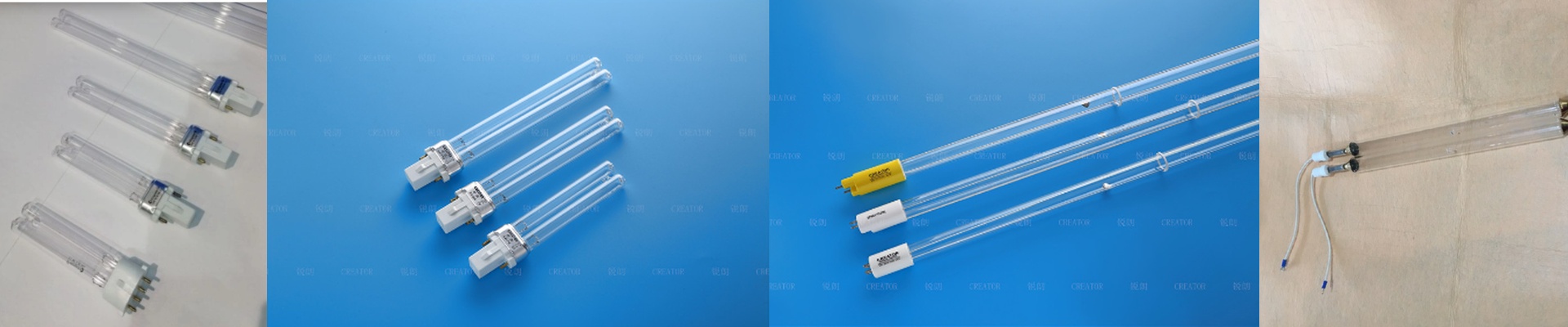
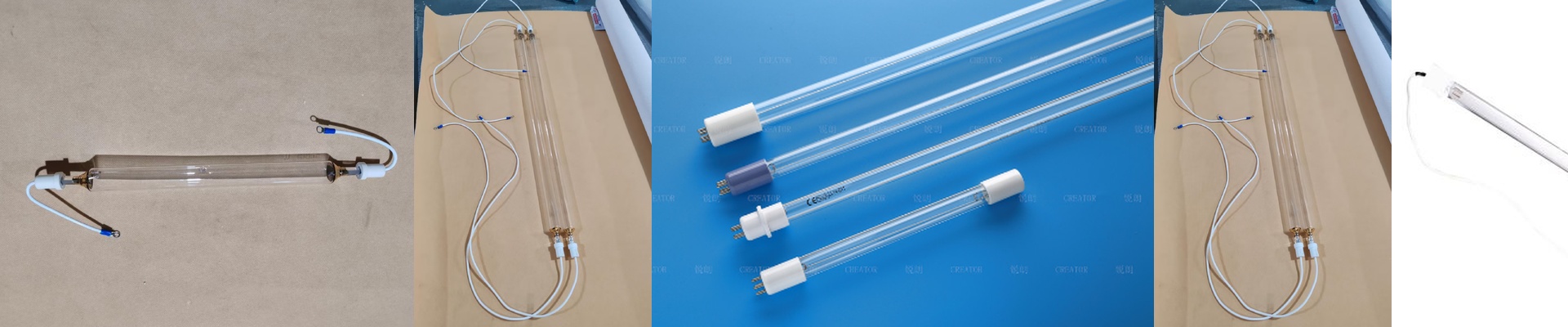
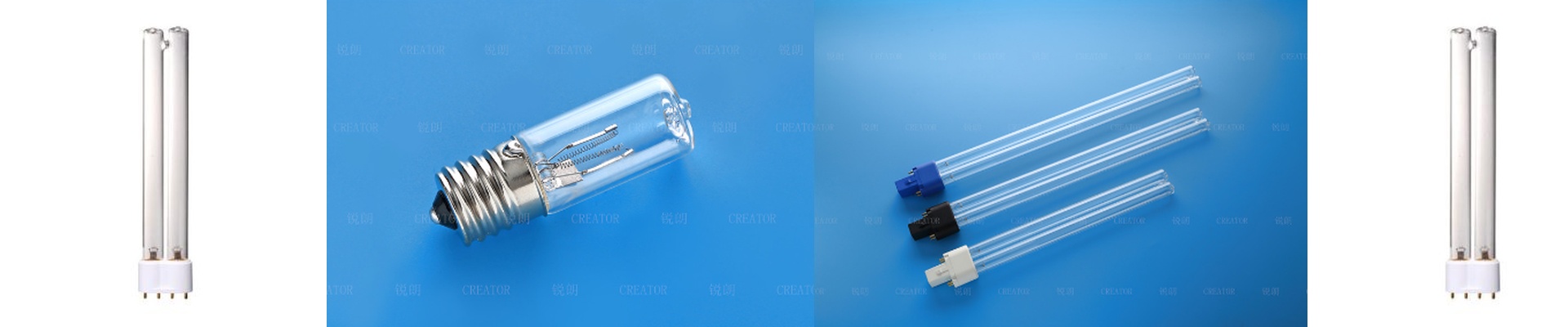
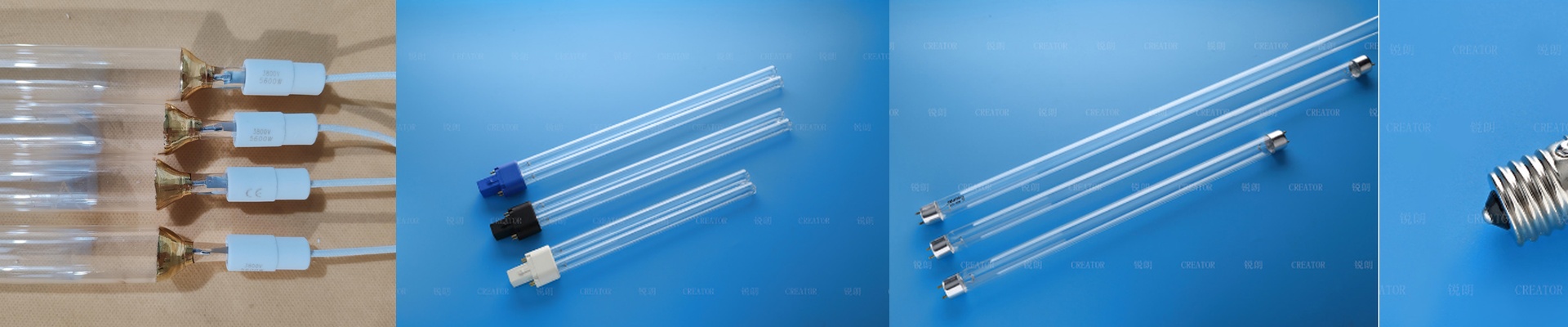
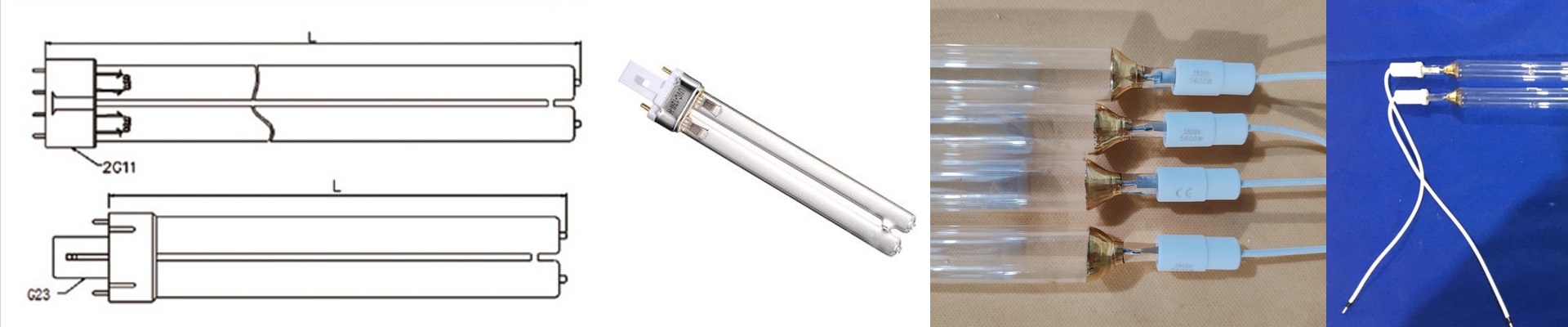
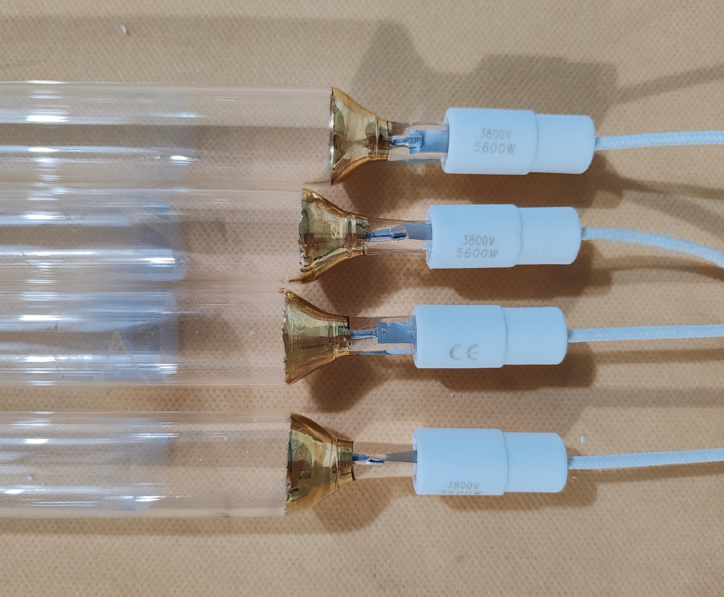
Most people buying UV bulbs in bulk treat them like lightbulbs for a hallway—cheap, replaceable, and basically the same regardless of where they come from. We spent 15 years as the “invisible” guys in the background, doing OEM work before we decided to step out and start our own brand. Here is what we learned: when you’re dealing with industrial sterilization, the difference between a budget tube and a pro-grade one isn’t just a price tag. It’s all in the quartz purity and how stable that light actually stays. The science bit (made simple) To actually kill germs, you need a very specific wavelength—253.7nm. If that’s off, you’re just paying for a fancy glow-stick. We obsess over the mercury vapor pressure and the electrodes. Why? Because if the gas mix is off by even a tiny bit, your dosage drops. You end up with “dark spots” in your sterilization field where bacteria can just hang out and survive. Then there’s the glass. We use high-purity synthetic quartz. Cheap glass actually blocks the UV light. It’s frustrating—you’re paying for power that never even leaves the tube. Heat, stress, and the “burn-out” problem When you’ve got rows and rows of these lamps running, things get hot. Fast. We build our cathodes to handle the stress of being turned on and off constantly. But here is a tip: make sure your ballast matches the lamp’s wattage exactly. I see people try to “over-drive” a bulb to get more kill power. Don’t do that. It doesn’t make it a superpower; it just kills the bulb faster and messes with the light spectrum. It’s a simple trade-off. You can push the wattage for raw speed, or dial it back so the bulbs actually last. Real-world setup Whether you’re setting up a water plant or a conveyor belt for surface cleaning, the fit has to be perfect. No gaps. No wiggle room. We spend a lot of time on the seal where the pins meet the quartz. If that seal is weak, the gas leaks out and the bulb dies instantly. Your maintenance crew shouldn’t be spending their weekends replacing tubes every month just because of a bad weld. We build these to take a beating in 24/7 industrial environments so you can actually forget they’re there.