Getting Your UV Curing Right: Why “Off-the-Shelf” Usually Fails
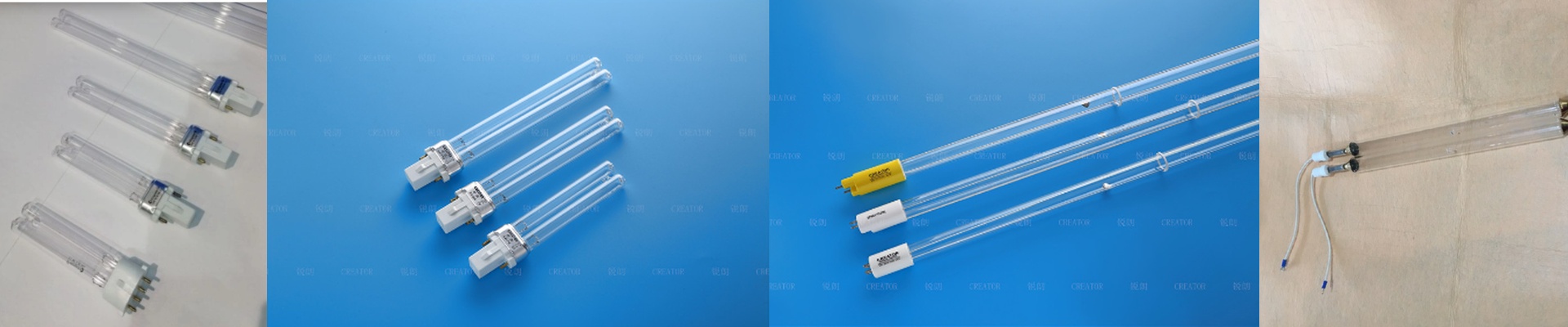
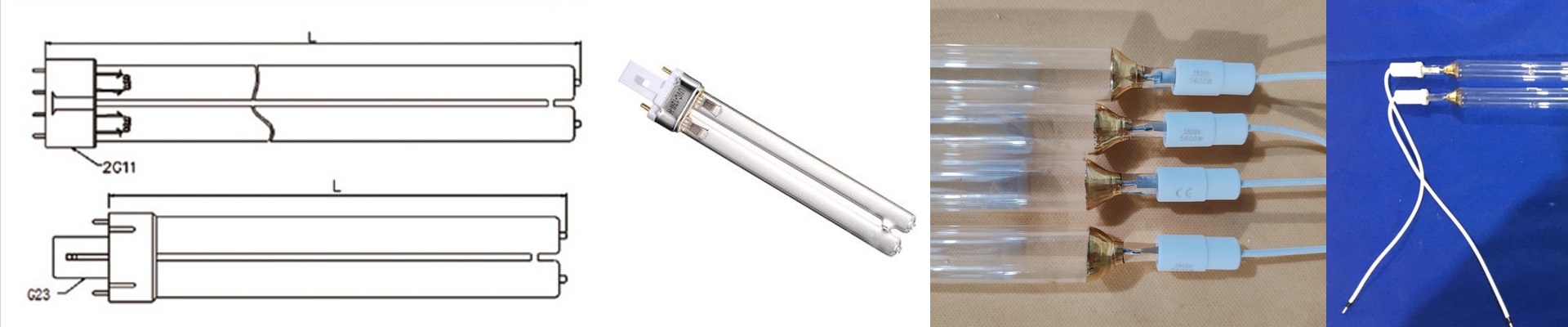
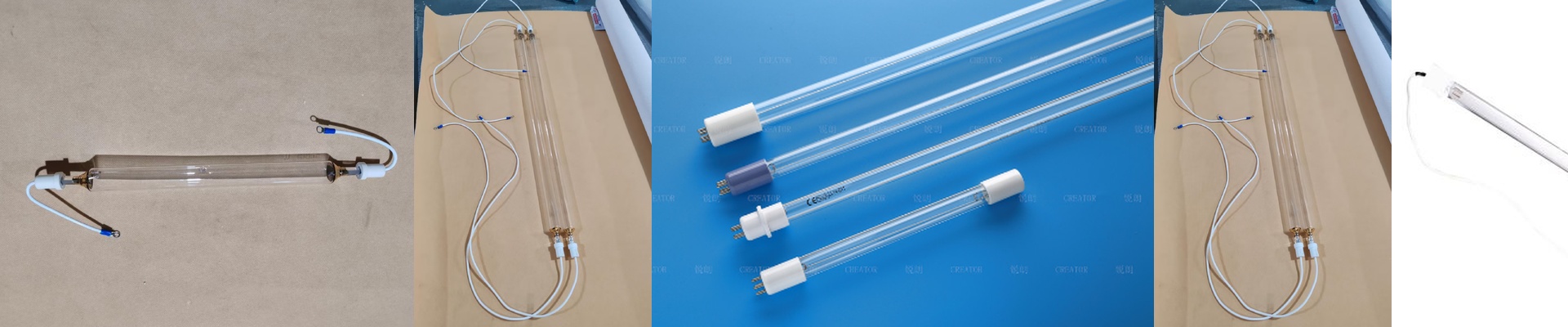
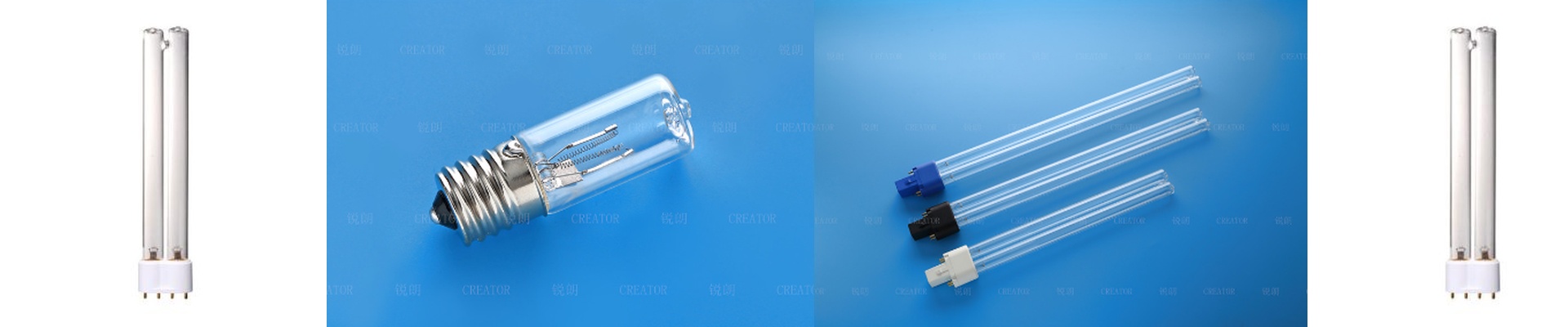
In industrial printing, everything comes down to that split second where liquid ink turns solid. If it doesn’t happen instantly, you’ve got a mess on your hands. That’s where we come in. We build UV lamps that actually do the job. Most people try to buy a standard bulb, but those rarely work. Why? Because they don’t account for how fast your line is moving or how much heat your material can take before it starts to warp. We don’t do “standard.” We build your lamp based on the exact wavelength and power you need.
The Balancing Act: Power vs. Heat
Here’s the thing about wattage: more power means you can crank up your conveyor speed without worrying about the ink staying wet. It sounds like a win-win. But there’s a catch. When you cram more power into a short tube, things get hot. Fast. If your cooling fans or water-jackets aren’t up to the task, you’re going to burn out the lamp or, worse, melt your substrate. We help you find that sweet spot where you get the speed you want without torching your product.
No Cheap Parts, No Loose Fits
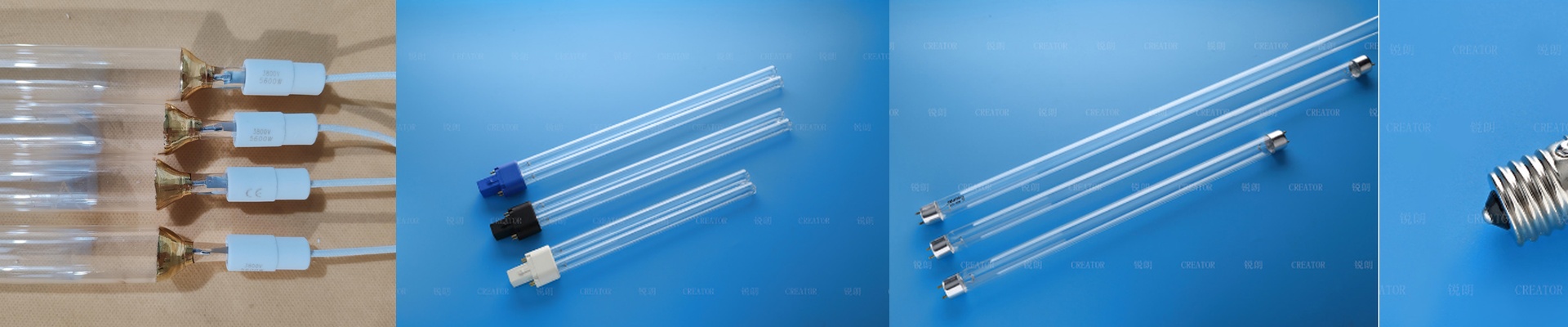
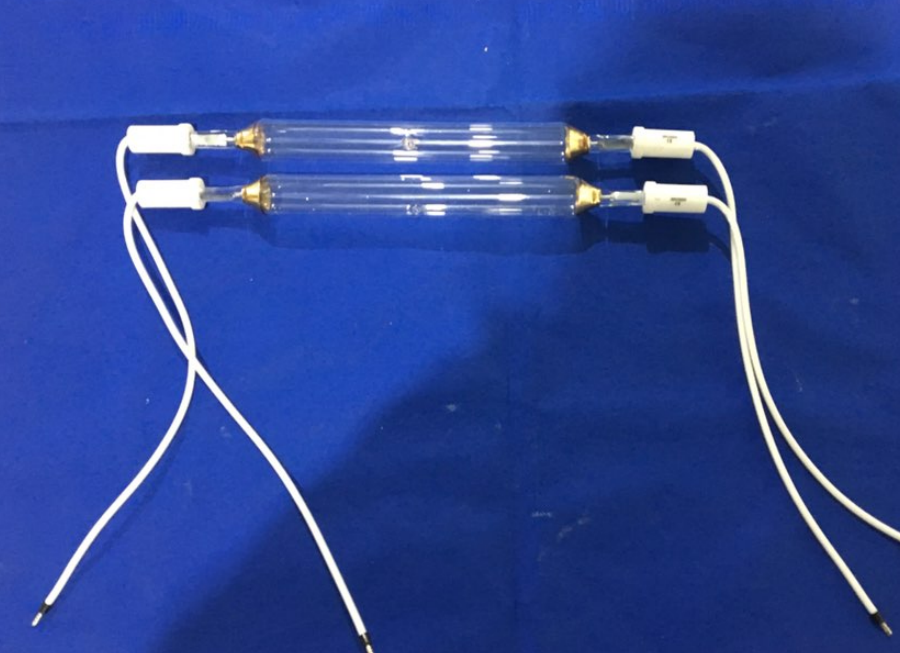
We use high-purity fused quartz for the envelopes. It’s the only way to make sure the UV radiation gets through without getting blocked. Depending on what you’re printing, we can even add coatings to tweak the light output. And we’re not fans of “universal” sockets. Whether you’re dealing with a tiny footprint or a weird pin configuration, we machine the ends to fit your setup perfectly. A loose connection is a nightmare—it leads to arcing, and then your lamp is dead. Simple as that.
Making it Work in the Real World
Our lamps are designed to just slide right into your existing system. No headaches. We care about the actual “dose”—which is really just a fancy way of saying how much light hits the ink and for how long. If you’re seeing ink that’s still tacky after the first pass, we don’t just tell you to slow down. We go back to the drawing board and adjust the gas mixture or the electrodes to sharpen that output. It saves energy. It stops the ink from smearing during packaging. And it just works.