15 Years of Tweaking UV Lamps: What We Actually Learned
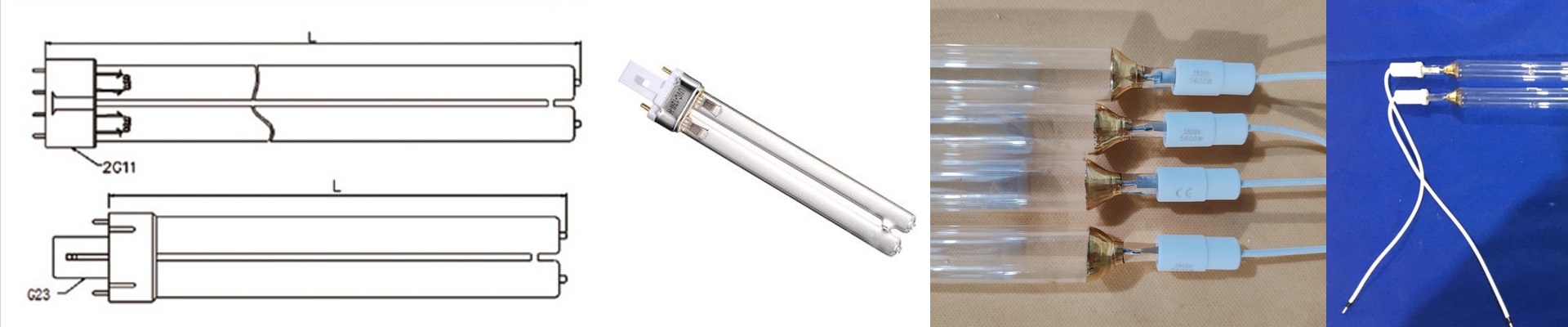
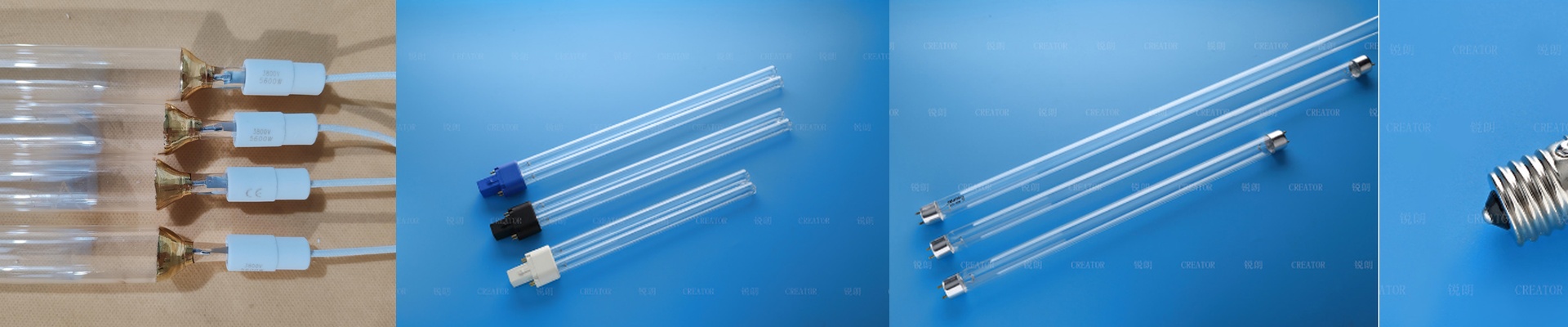
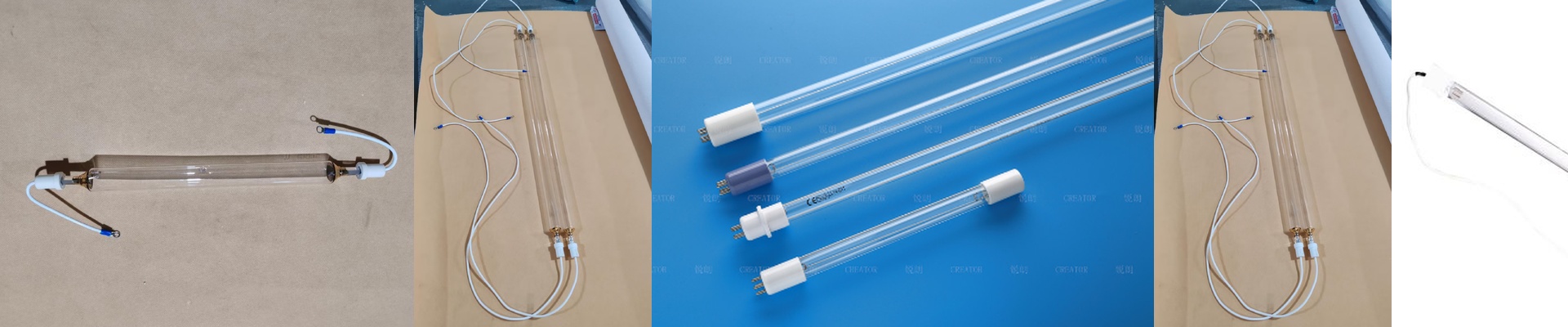
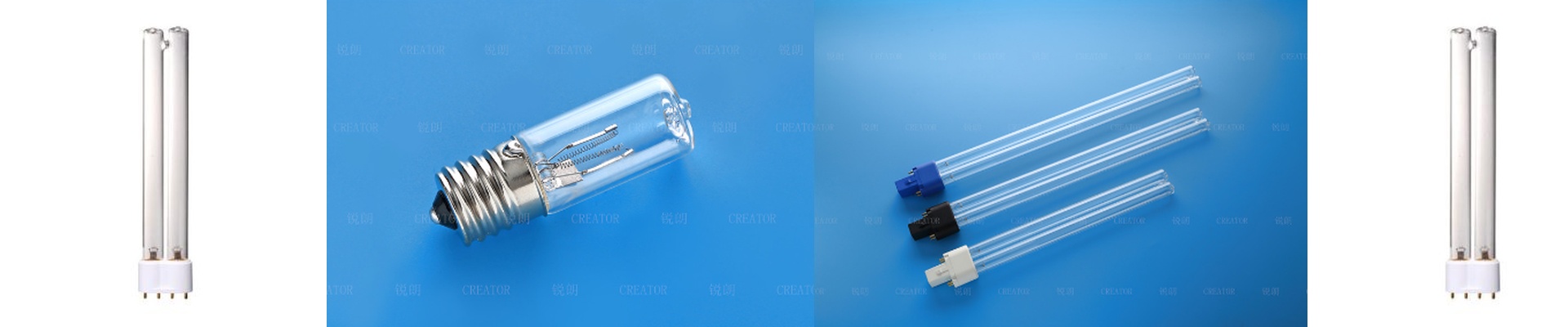
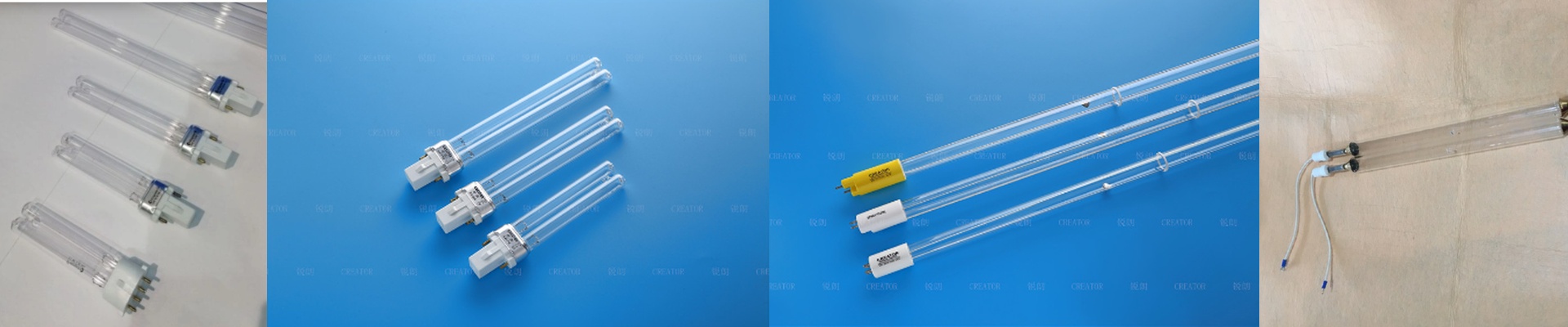
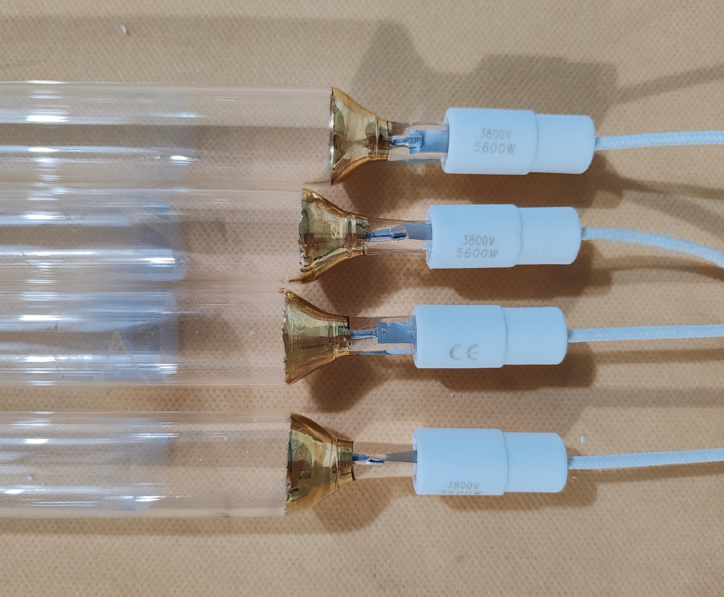
For 15 years, we worked behind the scenes as an OEM supplier before we finally decided to put our own name on the box. If there’s one thing we picked up during that time, it’s that industrial UV lamps aren’t just “bulbs.” They’re more like precision tools for heat and chemistry. When you’re setting up a system, there’s almost no room for a mistake. One wrong move and the whole batch is ruined. The struggle with stability It all comes down to the arc. To get a consistent light, you have to balance the gas pressure and the electrode materials just right. Here’s the problem: if that arc starts wandering, you get “shadows” or patches that don’t cure. It’s a nightmare for quality control. That’s why we stick with high-purity quartz glass. It lets the UV light pass through without the tube absorbing the energy. If the glass absorbs the heat, the lamp just burns out way too fast. Heat is the enemy Quartz grade matters. A lot. We use fused silica because it can take a beating when you’re constantly switching the lamps on and off. But let’s be real—high-wattage tubes get incredibly hot. If you’re packing a bunch of them together in an array, your cooling has to be spot on. If the airflow isn’t there, the quartz actually starts to soften. And once that happens? You can lose 30% of your lamp’s life in a blink. The “Drop-In” Fit There is nothing more frustrating than a replacement part that almost fits. We make sure our lamps are exact drop-in replacements for the big international brands. The dimensions, the pins, the sockets—everything matches. Whether it’s a simple screw-in or a weird locking base, it has to be tight. A loose connection is a disaster. You get electrical arcing, your sockets get fried, and your breakers trip. Not a great way to spend a Tuesday. We aren’t claiming these lamps are magic. They’re just the result of 15 years of messing with gas mixtures and electrode coatings until we hit the exact wavelength your resin needs to work.