Getting Your UV Sterilization Right (Without the Headaches)
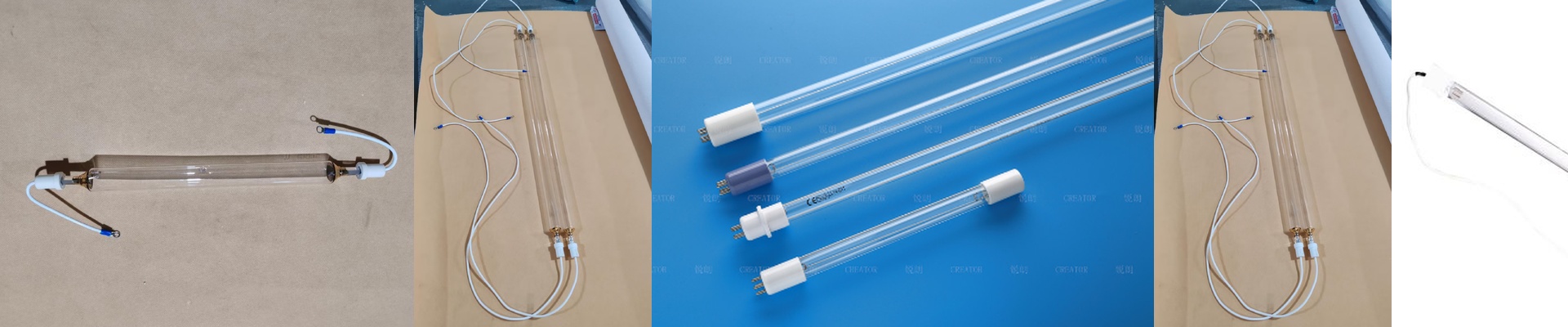
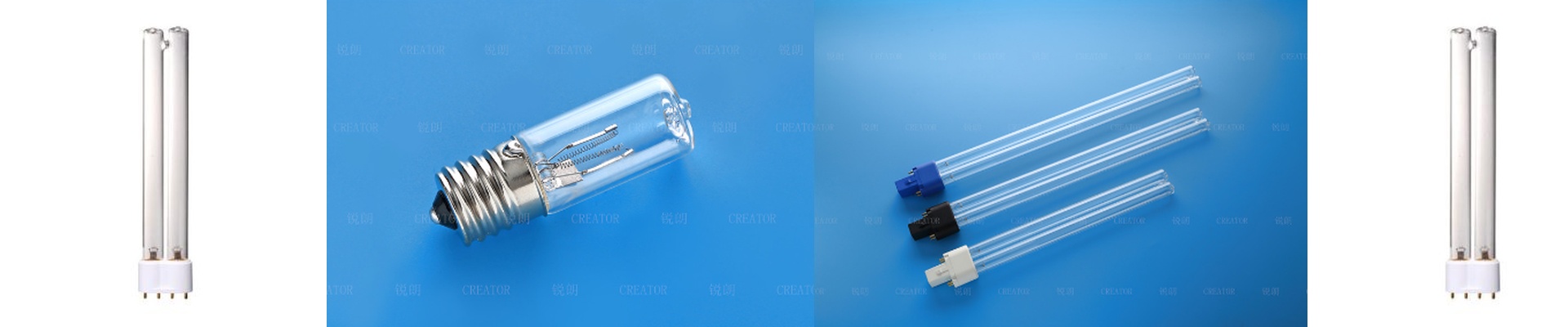
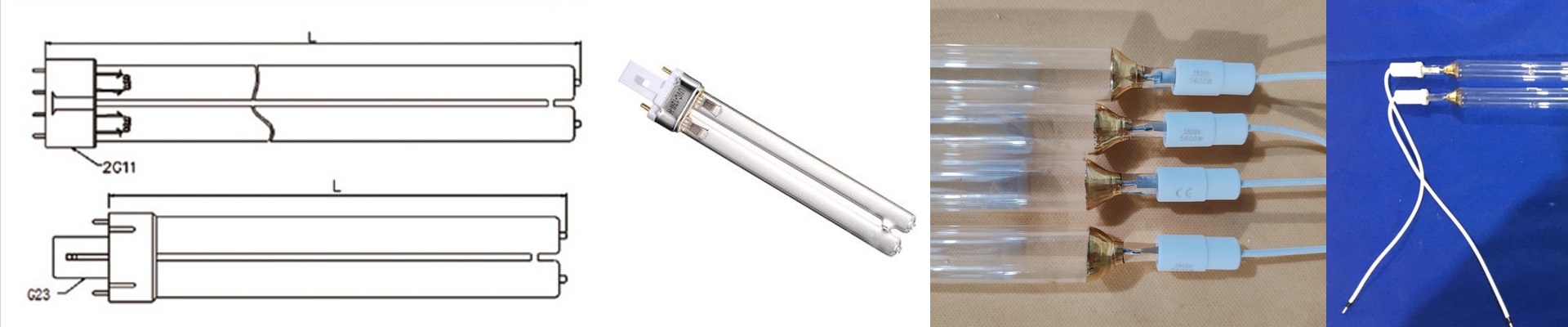
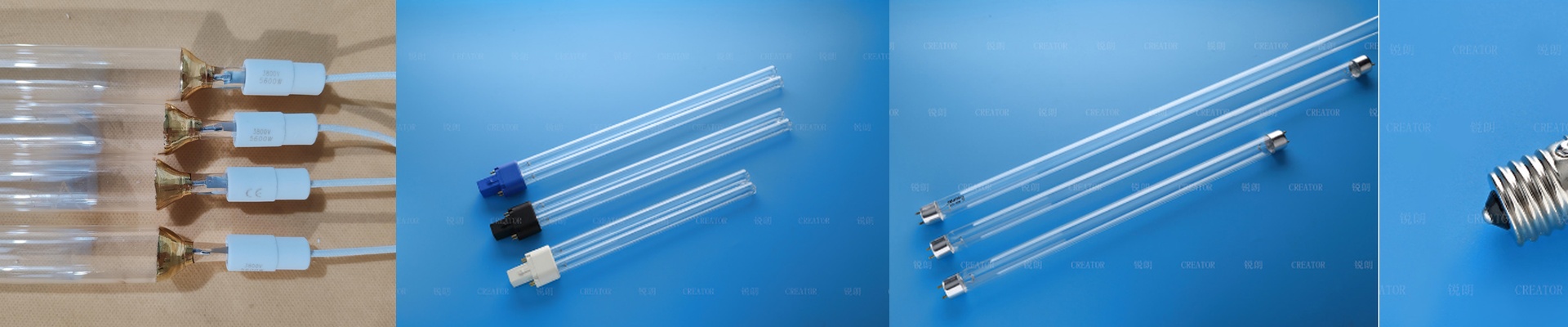
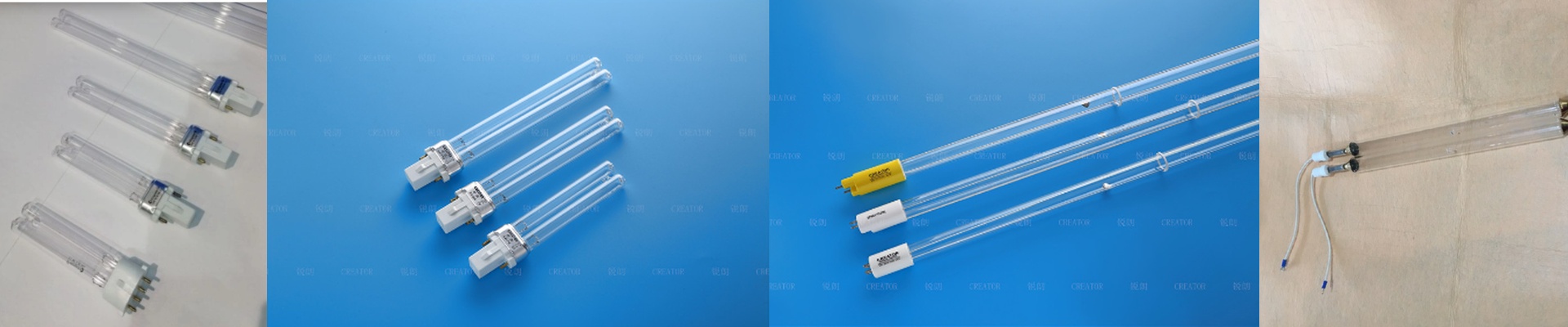
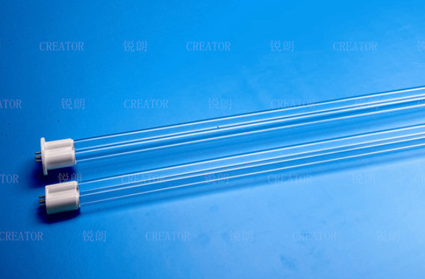
Most people just see UV lamps as things you swap out every few months—like lightbulbs in a hallway. But if you’re running a production line, that’s a mistake. That lamp is actually the heartbeat of your whole operation. It’s what decides if your line speed stays fast or if your print quality goes down the drain. When you’re picking out a system, it’s all a balancing act. You’re juggling wattage, wavelength, and heat. Get it wrong, and you’re looking at warped substrates or ink that just won’t set. Let’s talk power. We build our systems to hit the intensity you need without blowing a fuse or overloading your grid. Now, high-wattage tubes are great for speed, but they run hot. Really hot. If you’re working with PET or thin films, that heat can ruin your material. You’ve got to make sure your voltage and wattage actually match what your ballast can handle. If you try to cram too much power into a small space, you’re just asking for a thermal shutdown or a burnt-out lamp. It’s not worth the risk. The glass matters more than you think. Not all quartz is created equal. If the glass is cheap, it absorbs the UVC light instead of letting it hit your target. We use high-transmittance quartz so you get every bit of that radiation where it belongs. For the printing crowd, we often add coatings that block the IR heat but let the curing light through. It’s a simple trick, but it keeps your materials cool and stable. The real-world stuff: Setup and upkeep. Nobody wants to spend four hours rewiring a rig during a shift change. That’s why we use standard connectors. You just pop them in and get back to work. But here is where things usually go sideways: alignment. It sounds trivial, but if your lamp is off by even 5mm, you get “cold spots.” You’ll think everything is sterilized, but you’ve actually got gaps in your coverage. One last thing. When you go for higher energy efficiency, your cooling has to be spot on. If you upgrade to a high-output system, go check your exhaust fans right now. If heat builds up around the sockets, your seals will fail. We’ll give you all the technical data you need to size your cooling properly before you install the lamps. It saves a lot of swearing later on.