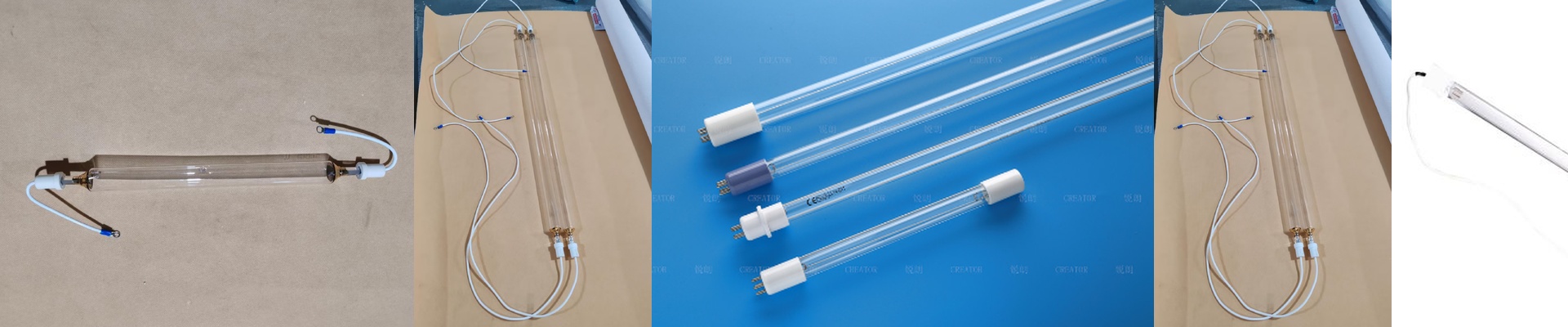
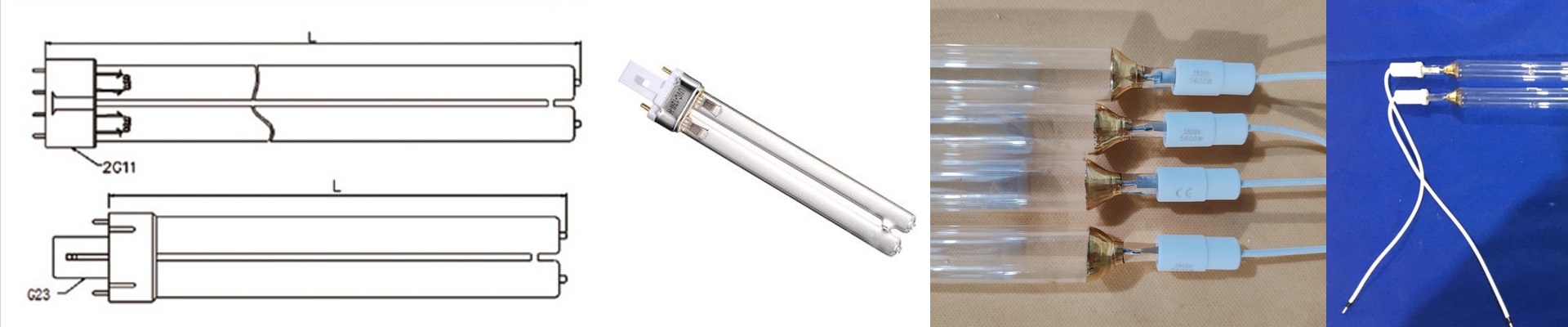
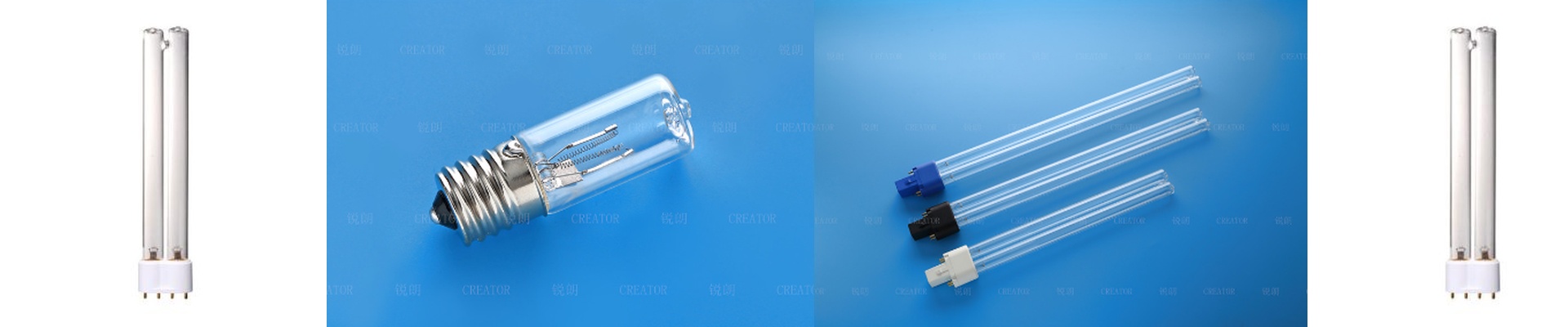
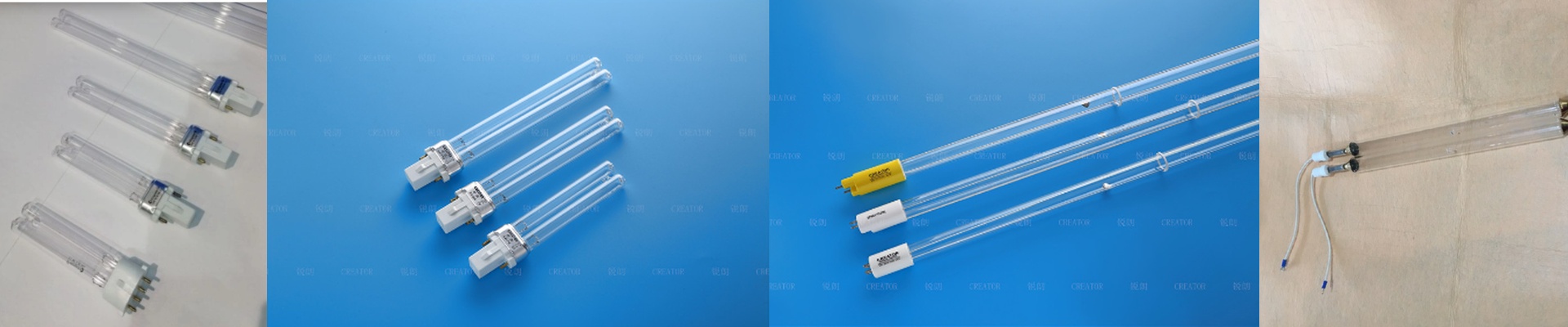
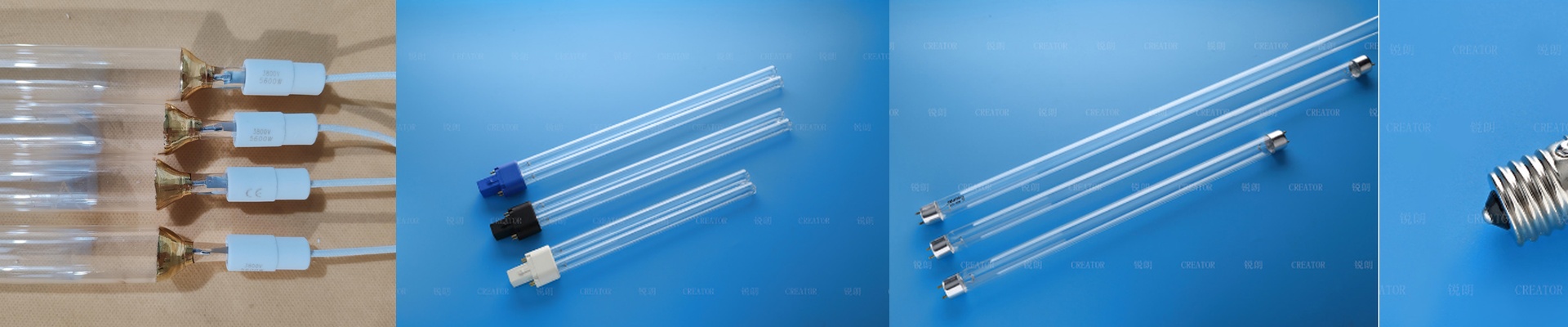
On the floor, UV curing isn’t just about raw lamp power. It’s about control. A UV lamp shutter gives you that control, dialing spectral output and exposure time with millisecond repeatability. That’s what keeps substrates from cooking and keeps cross-linking consistent. Without it, you spend your day chasing your tail. Ink tack, adhesion, and cure depth start drifting as lamps age and reflectors lose reflectance. What actually matters is spectral precision and energy density. In offset, a high-pressure mercury vapor lamp with strong 365 nm emission, paired with a focused shutter profile, delivers the fast surface cure you need to lock inks without blanket set-off. In flexo, you balance 385 nm for pigmented inks and 395–405 nm for photoinitiator absorption. That keeps dot gain in check and prevents anilox rolls from heating up. Screen printing demands deeper penetration. A shutter that holds peak irradiance above 1,200 mW/cm² at the web—delivered as a controlled pulse—drives through thick deposits without pinholes. Reflector dichroic coatings and ozone-free quartz envelopes help preserve spectral integrity. And shutter timing keeps the curing energy inside the ink’s photoinitiator window. Here’s how we make it work in practice: we treat the shutter as part of a field-validated curing diagnosis. We map your press—web speed, lamp distance, the spectral output decay curve—then tune shutter dwell, lamp power, and reflector geometry for each print station. The payoff is stable cure at higher speeds, lower energy draw, and longer lamp life because the lamp spends less time idling. One practical note: shutter integration has to match lamp ignition characteristics and reflector focal length to the shutter’s response. Expect a short commissioning window to get the timing aligned with your press’s mechanical dwell. When it’s done right, the shutter turns curing from a variable into a repeatable unit process.