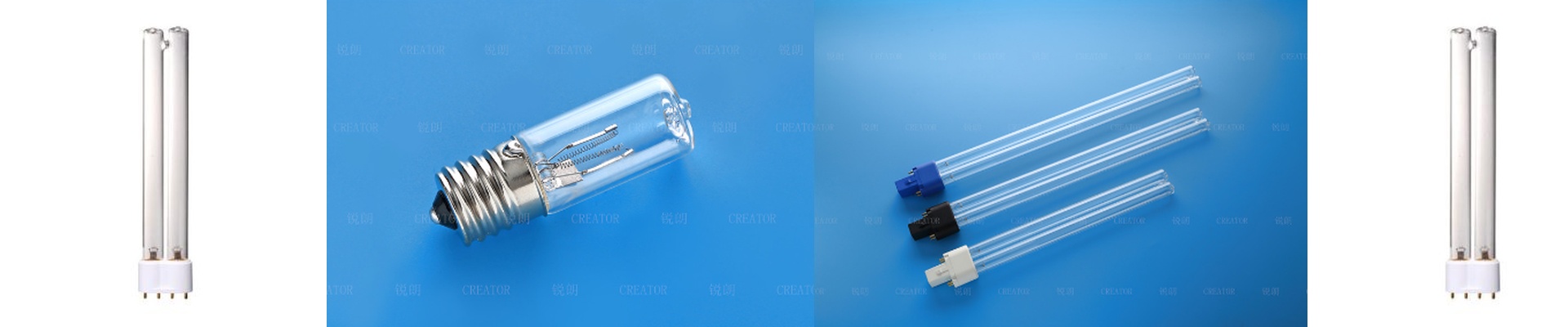
Getting the Science Right: The Truth About 253.7nm UV Bulbs
We don’t just manufacture bulbs. We’re basically managing photons. When you’re dealing with germicidal light, a few nanometers can be the difference between a system that actually cleans and one that’s just a fancy light show. We spend our time obsessing over the 253.7nm peak. Why? Because that’s the sweet spot where DNA and RNA just can’t hide.
How we actually hit that mark
Getting this wavelength right in a massive production run isn’t easy. It comes down to the mercury vapor pressure and the purity of the quartz glass. Cheap quartz is a killer—it blocks UVC rays before they even leave the bulb. That’s why we use high-transmittance synthetic quartz. It keeps the light moving and ensures the 254nm output actually hits your target instead of getting trapped inside the glass. Then there’s the “end-blackening” problem. You’ve probably seen it—where the ends of the bulb turn dark. That happens when tungsten evaporates and coats the inside. Once that happens, your UVC output tanks. We tweaked the electrode alloy to stop that from happening so quickly, meaning you aren’t climbing a ladder to swap bulbs every five minutes.
Buying in bulk shouldn’t be a gamble
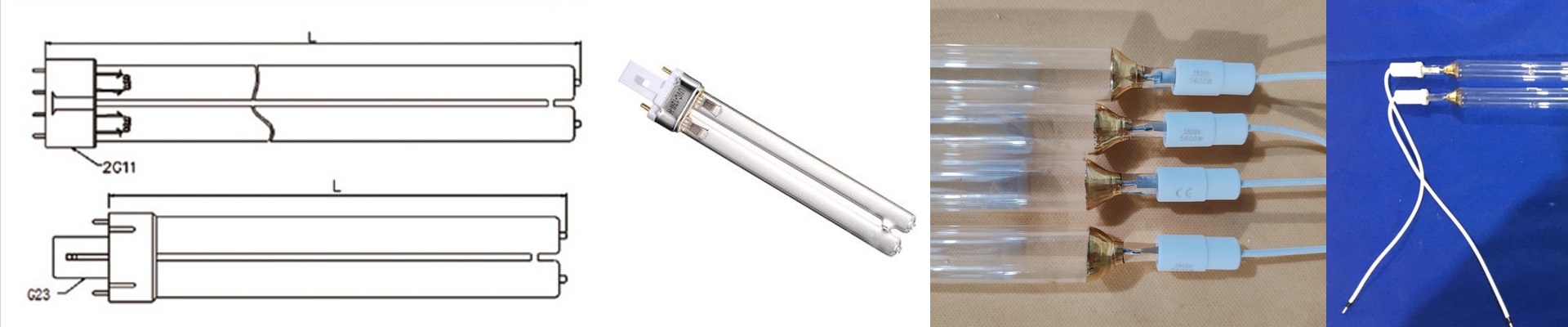
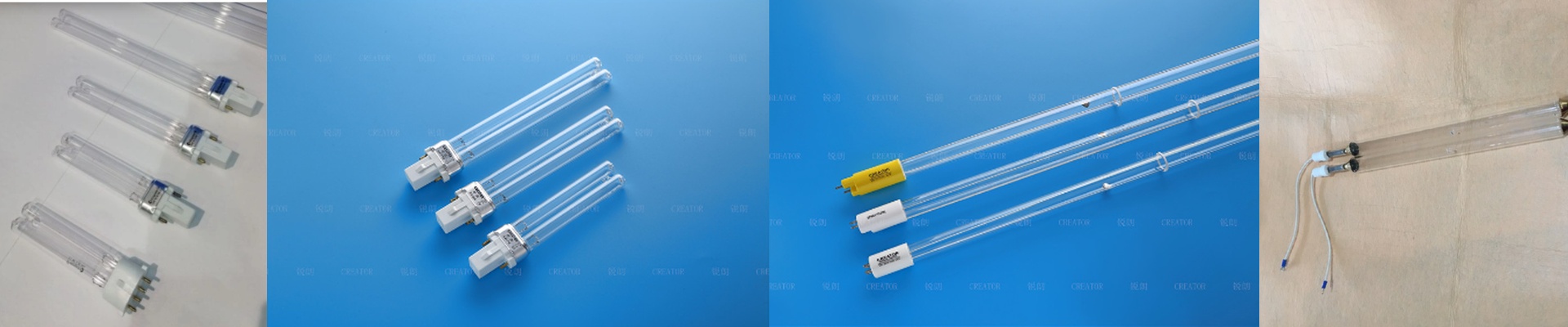
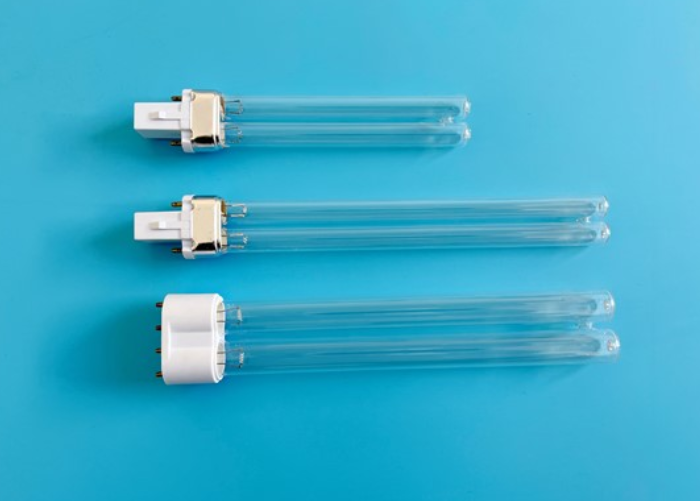
If you’re ordering 1,000 bulbs, the last thing you want is a mixed bag. Imagine a 10% difference in wattage from one bulb to the next. You’d end up with “dead zones” in your sterilization setup where germs just stroll right through. We keep our tolerances tight so every single bulb behaves the same way. Plus, we know you’ve already got hardware in place. We offer different pin setups and diameters so these just slide right into your existing ballasts. Whether it’s a massive water plant or an HVAC grid, they just work.
A quick heads-up on heat
Here is the thing: high-output UVC lamps get hot. Really hot. If your housing doesn’t have a way to let that heat escape, your bulb’s lifespan is going to dive. The mercury degrades faster, and your UVC output will drop way before the manual says it should. Before you install a huge array, just double-check your airflow. Give the bulbs room to breathe, and they’ll actually last.