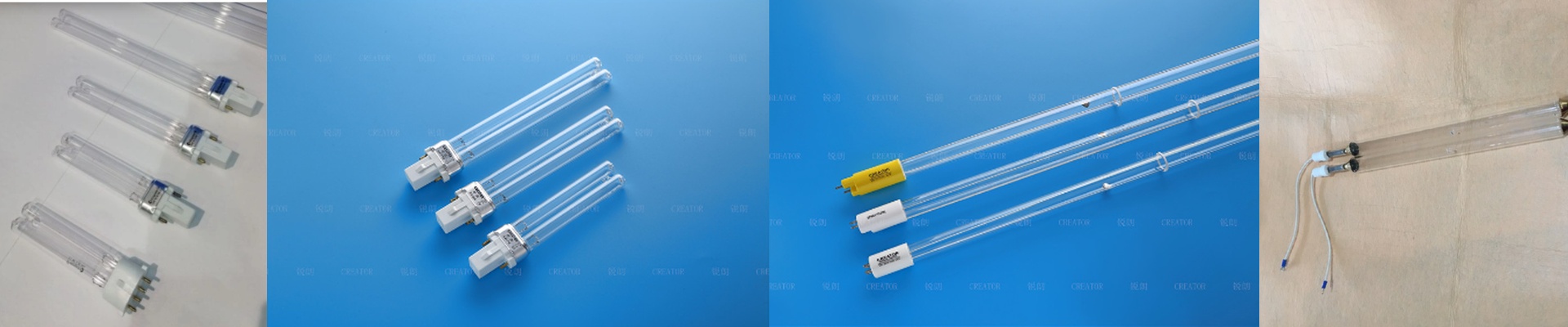
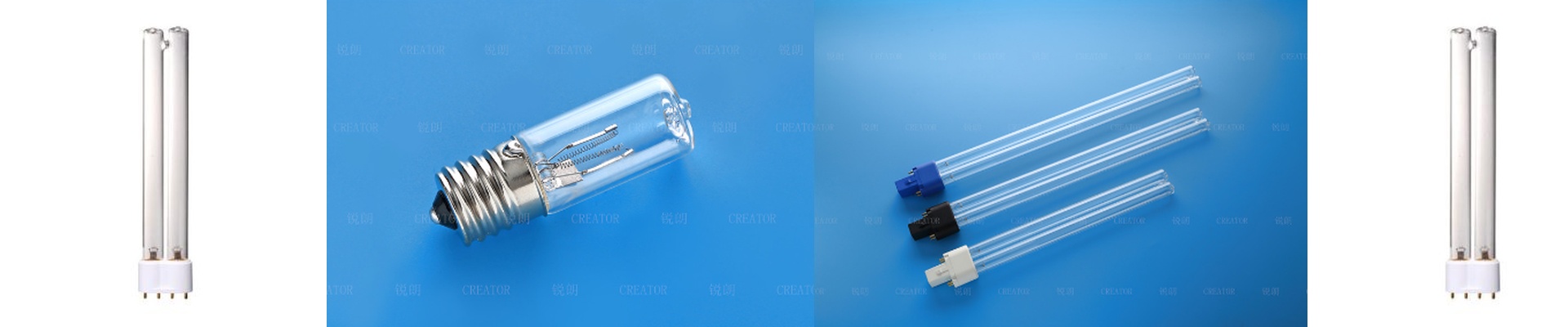
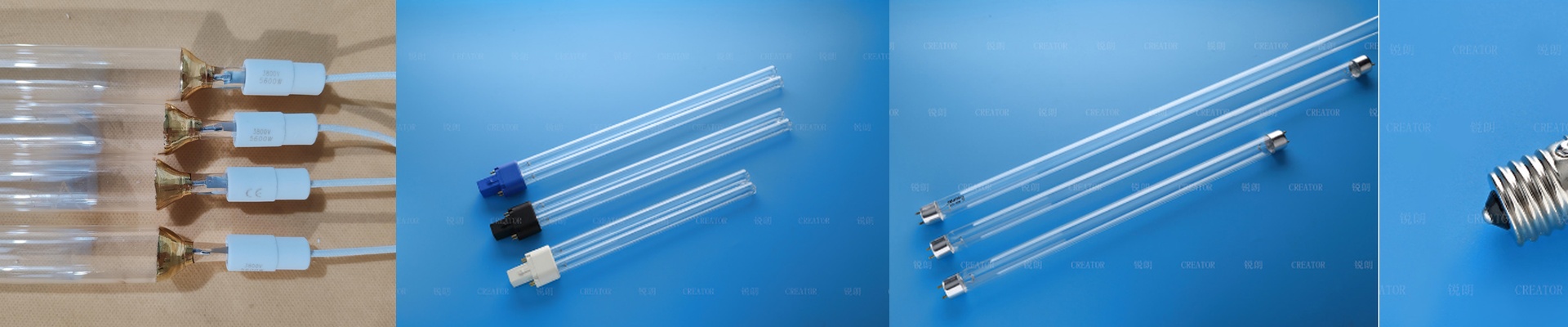
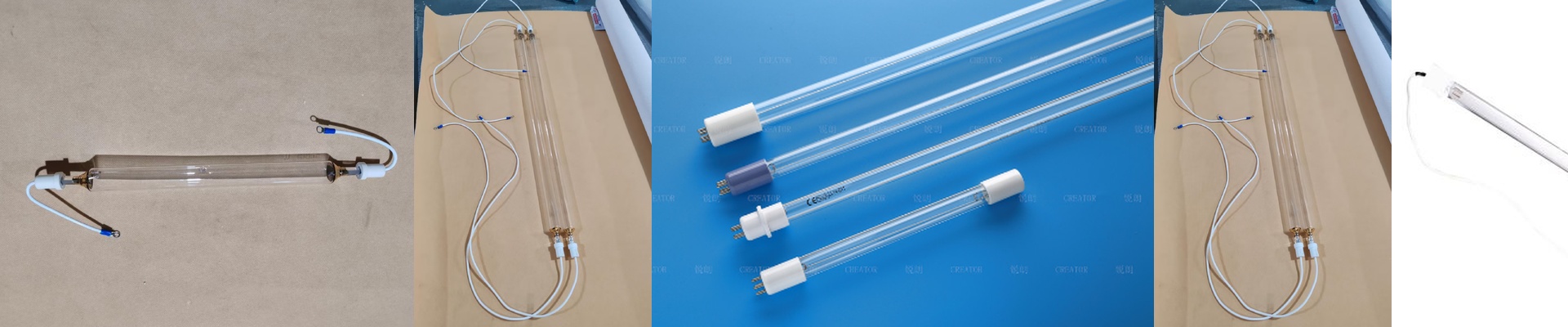
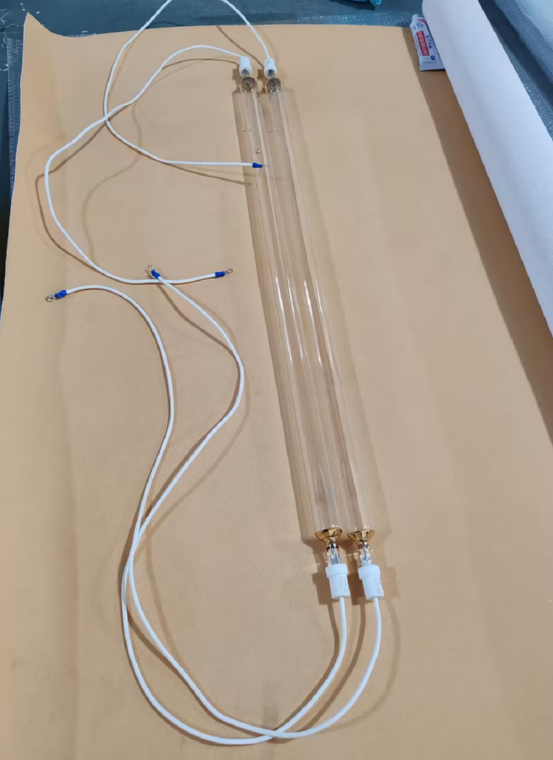
Getting the Most Out of Your UV Lamps
Most UV bulbs you’ll find are basically the same—they all hit that general 253.7nm wavelength. But we spent our R&D time obsessing over a tiny detail: squeezing out an extra 0.5% of spectral energy concentration. Now, I know that sounds like nothing. But when you’re running a high-volume sterilization line, that 0.5% is the difference between a pathogen being dead or just hanging on for dear life.
The nitty-gritty of the physics
To get that peak tighter, we had to rip apart how we handle the gas mixture and the quartz. See, if the quartz glass has too many impurities, it just eats the UVC output. The energy scatters. To fix that, we switched to high-transmittance synthetic quartz. It basically clears the path so the photons can get out without hitting a wall. We also messed around with the mercury vapor pressure and the electrode coatings. Why? Because we wanted the discharge to stay rock-solid across the whole tube. When you’re buying these in bulk, the real nightmare is inconsistency. We track every single batch to make sure that 0.5% boost is a real-world standard, not just some lucky break in the lab.
The trade-offs (because there’s always a catch)
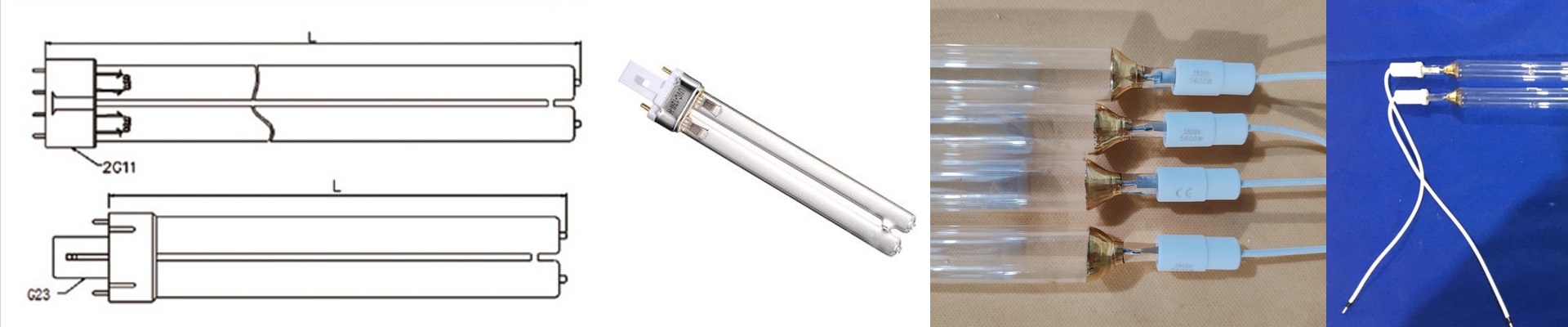
The good news is these are drop-in replacements. We kept the pins standard, so you can swap them into your current fixtures without a headache. But here’s the thing: more energy means a more aggressive kill rate, which puts a bit more stress on the lamp’s lifespan. You’re getting a more potent tool, but you’ve got to keep an eye on your ballast voltage. If your power supply spikes, you’ll burn through those electrodes a lot faster.
Where this actually matters
We built these for the heavy hitters—water treatment plants and medical conveyor systems. When you’ve got hundreds of these lamps humming at once, a tiny bump in energy changes the math. It means you can shorten the exposure time. And that’s where the magic happens: you can speed up your belt or crank up the flow rate without worrying that you’re missing a spot.