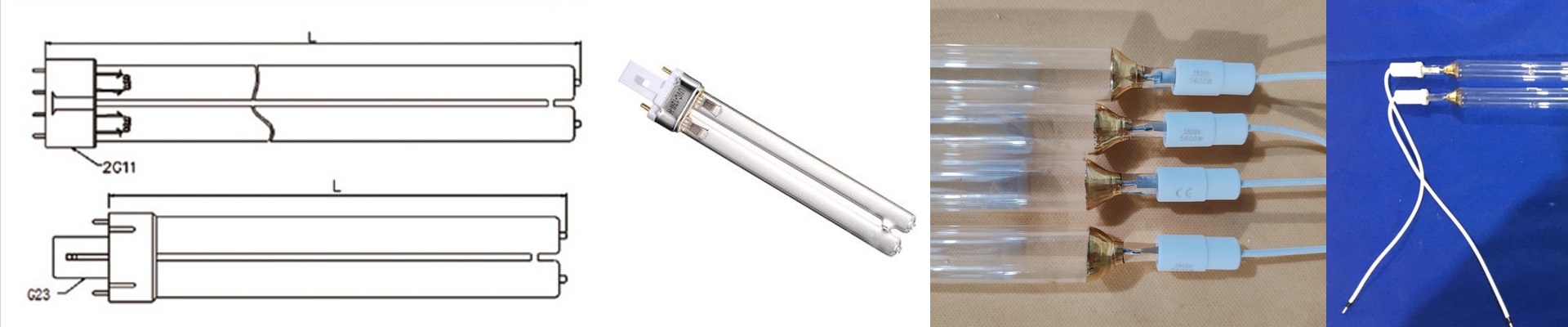
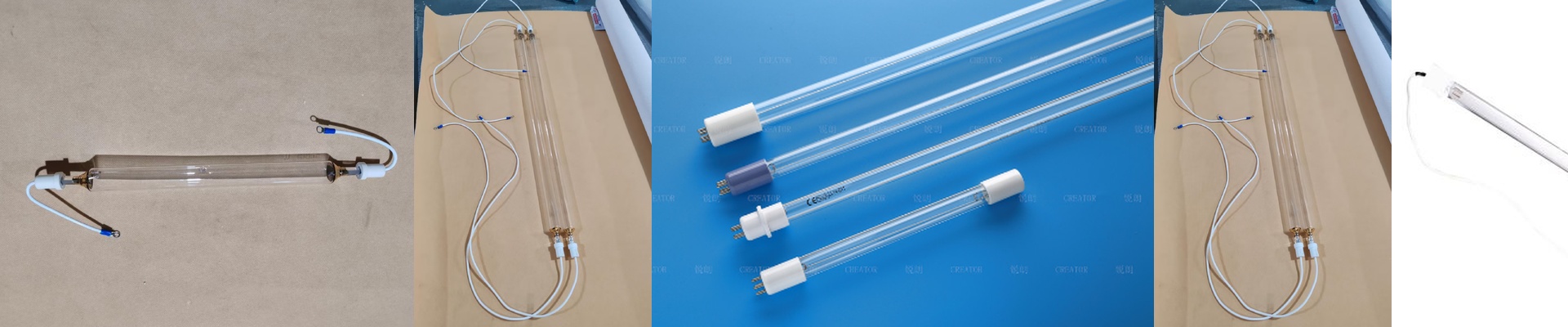
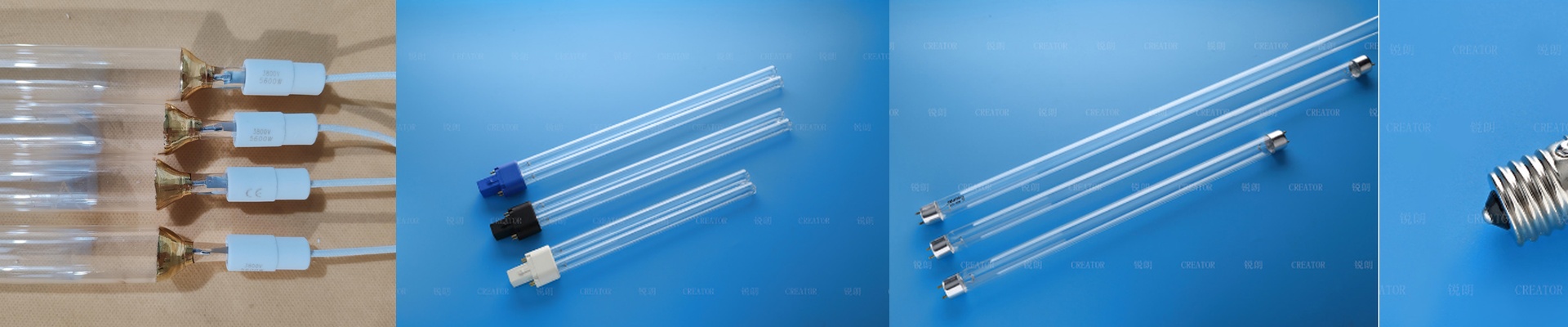
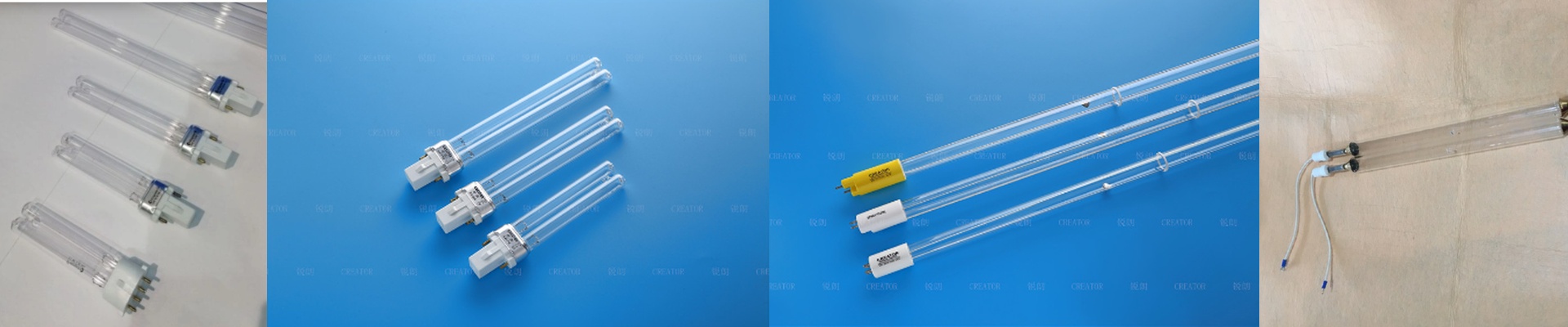
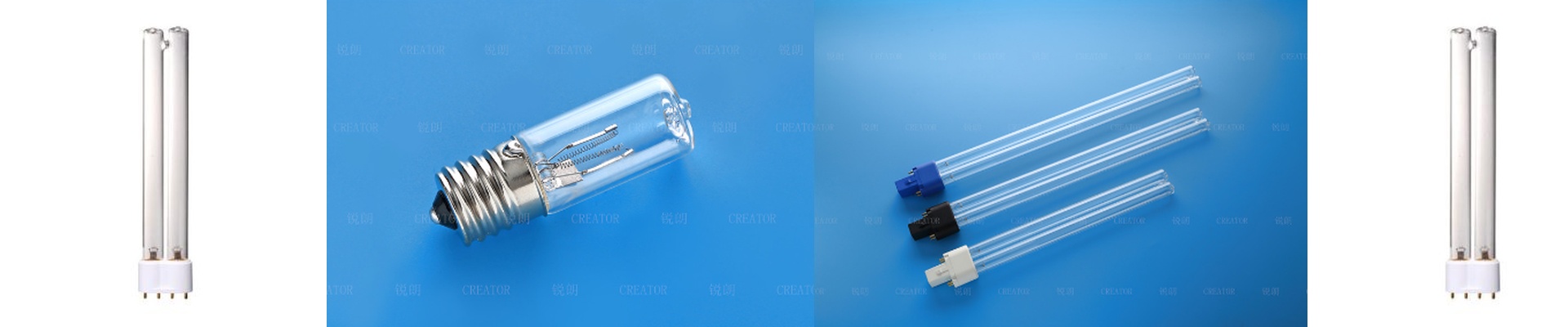
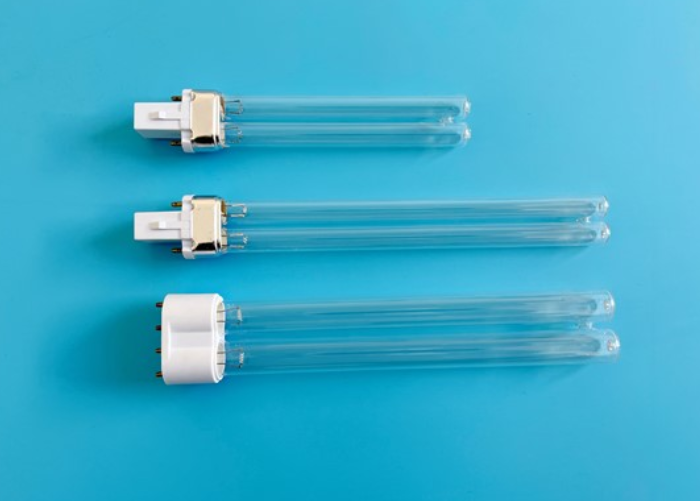
On the press floor, counterfeiters don’t wait for you to get your process dialed in. They’ll lean on any weak link in the curing chain—uneven energy, spectral output that drifts, or a lamp that just misses the photoinitiator’s absorption peak. When you’re running special anti-counterfeit inks, the jump from a clean, machine-readable mark to something borderline often comes down to how pure and stable your UV source is. That’s where a GE UV germicidal light—built on a high-purity 254nm output platform—earns its keep in anti-counterfeit work. Not because it’s just “another UV lamp,” but because it delivers tightly controlled short-wave energy at the exact wavelength many security inks are designed to interrogate. The payoff isn’t hype; it’s repeatable, measurable performance in the physics of curing.
What actually matters: spectral control, energy density, and stability
Anti-counterfeit inks—especially the ones used for covert marks or machine verification—are engineered around specific photoinitiator systems and fluorescence or absorption behaviors. If your lamp output is broad, noisy, or drifting, you’re trying to hit a moving target every shift. GE UV germicidal lamps are built on a low-pressure mercury vapor platform optimized for high spectral purity at 254nm. In shop-floor terms, that means most of the useful output is concentrated in a narrow band, so you’re not dumping out-of-band energy into the ink and triggering unwanted background reactions. The parameters that determine real-world performance are straightforward:
- Peak irradiance at the substrate: For many security inks, the reaction is driven by intensity at the target wavelength. We design the lamp and reflector system to deliver high peak irradiance in the 254nm band, so the photoinitiator sees a sharp, repeatable energy profile—not something soft and diffuse.
- Energy density (mJ/cm²): Curing isn’t a guess. You need enough delivered energy to complete cross-linking without overexposing the substrate or kicking off side effects. With stable lamp output, you can set a window—say, 300–600 mJ/cm²—and hit it consistently across the web.
- Spectral stability over life: When lamp output decays, everything shifts. We engineer for slow degradation, so the setpoint you calibrate at startup stays valid through the run. Less compensating, more running.
- Warm-up repeatability: UV systems need to reach thermal and electrical equilibrium. A stable warm-up profile means you can qualify a job, step away, and restart without re-validating the entire curing envelope. We also build in details that matter when the machine is running for real: robust quartz envelopes, engineered electrodes, and reflector geometry that puts more useful energy where it needs to be—on the print surface. This isn’t a “bolt-on bulb”; it’s designed as part of the system.
Why it works: high-spectral-purity UV for anti-counterfeit printing
Anti-counterfeit printing isn’t about chasing maximum speed. It’s about control. These special inks often rely on narrow spectral triggers—either to develop a latent mark or to produce a consistent fluorescence signature under verification equipment. If the curing light adds spectral noise, you can lose contrast, shift the mark’s appearance, or introduce variability that trips automated inspection. A GE UV germicidal light attacks that problem head-on.
The 254nm advantage
A lot of covert security features are tuned to short-wave UV response. When you run a lamp with high spectral purity at 254nm, the ink cures where it should and stays quiet where it shouldn’t. That precision delivers two outcomes anti-counterfeit printers care about:
- Mark definition stays sharp, because the energy is concentrated in the band the ink expects.
- Verification stays consistent, because under 254nm inspection the mark behaves predictably job after job, press after press, shift after shift.
Curing without unintended side reactions
Out-of-band UV can cause background curing or substrate response, especially on sensitive papers, films, or coatings. A narrow, stable output profile reduces that risk. You get repeatable cross-linking of the security ink without triggering extraneous reactions that can change gloss, color, or texture.
You get a wider process window, not a tighter one
When lamp output drifts, operators compensate by slowing the line, cranking power, or tightening tolerances until the whole run feels like a knife-edge. With a stable source, you can set a curing window and stay inside it. That means fewer rejects, fewer reruns, and more consistent machine-readable results.
Validation that holds up on the plant floor
Anti-counterfeit work gets audited. We design the system to support repeatable measurement: consistent irradiance at the substrate, predictable warm-up behavior, and a lamp life curve that lets you plan preventive replacements without guessing. If you’re running validation protocols, your equipment has to behave the same way tomorrow as it did today.
The realities: installation, compatibility, and what you need to plan for
A high-spectral-purity UV source is only as good as the system it runs in. Here’s what we see in actual plants—and what you should plan for.
- Ozone management: 254nm systems need to be handled correctly. We use ozone-free designs, but ventilation and lamp housing still matter. If the setup vents poorly, ozone can build up and create issues for both operators and materials.
- Reflector and optics alignment: Peak irradiance depends on reflector geometry and lamp positioning. If the reflector is dirty, misaligned, or undersized for the print width, you lose effective energy density at the substrate. Make reflector inspection part of routine maintenance.
- Power supply and ballast compatibility: Match the lamp to the drive electronics. A mismatch can shorten lamp life and distort spectral output. If you’re retrofitting an existing press, confirm ballast compatibility before you commit.
- Substrate transmission and absorption: Some films and coatings block 254nm. If your substrate absorbs the curing wavelength, you won’t get the expected response no matter how strong the lamp is. Test the full stack—substrate plus ink—before you lock in the process window.
- Lamp replacement planning: No lamp lasts forever. Plan replacements around run hours and output monitoring, not calendar dates. A disciplined replacement schedule keeps spectral stability inside the range you qualified. If you run special anti-counterfeit inks and your verification depends on consistent short-wave UV response, the curing lamp can’t be an afterthought. GE UV germicidal lights deliver the spectral purity, energy density, and stability anti-counterfeit printing requires—because the mark has to behave the same way every time, under the same light, at the same energy. If you want to qualify a curing window for a specific ink and substrate, start with a measured baseline: map irradiance across the print width, confirm energy density at line speed, and track output stability over hours. Then run the same test with the high-spectral-purity platform. The difference will show up in the numbers—and in how consistently the security mark performs.