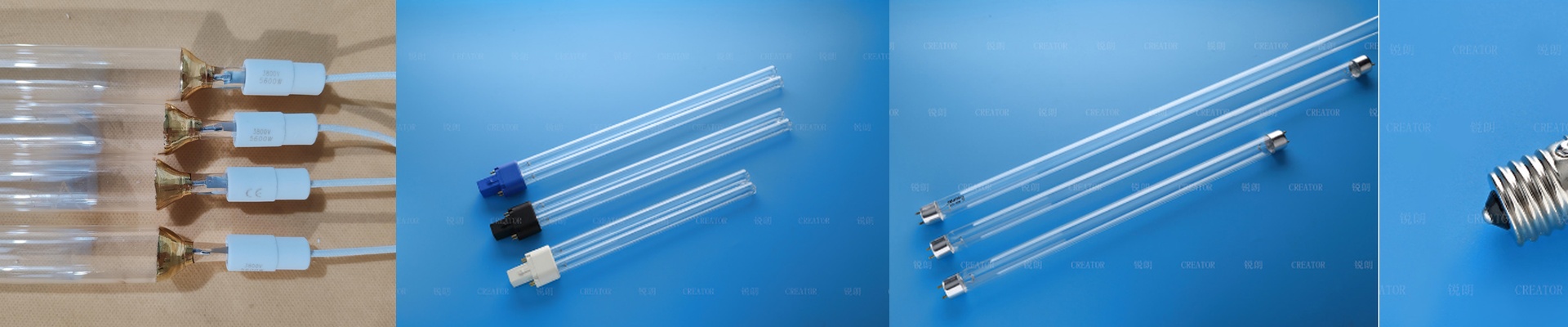
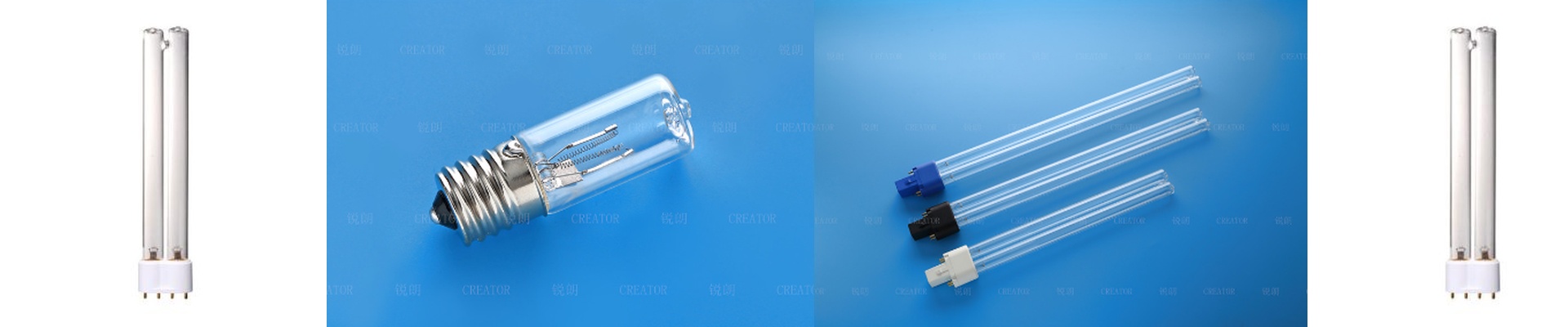
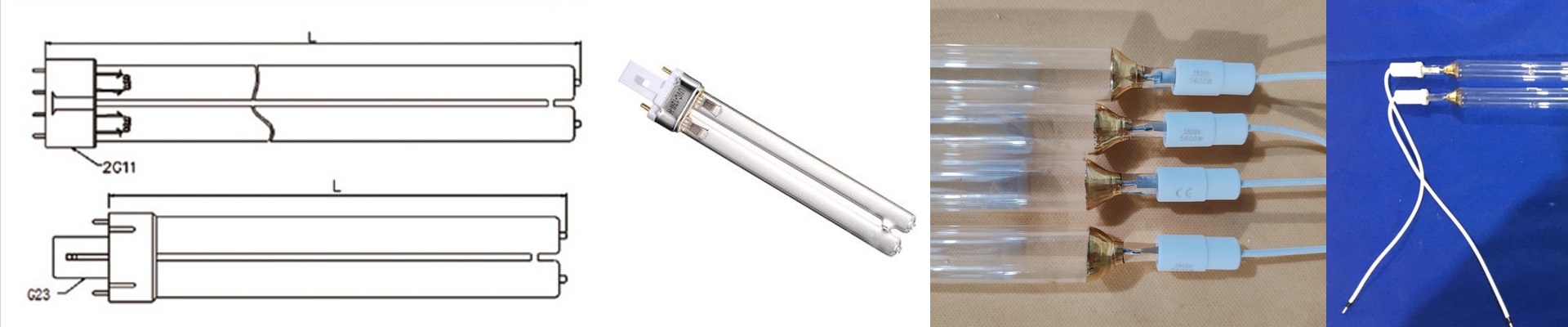
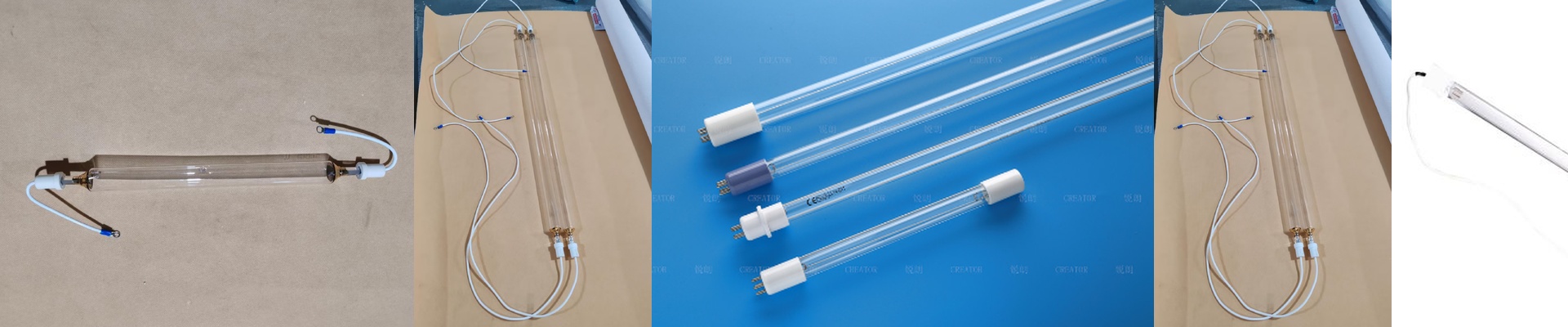
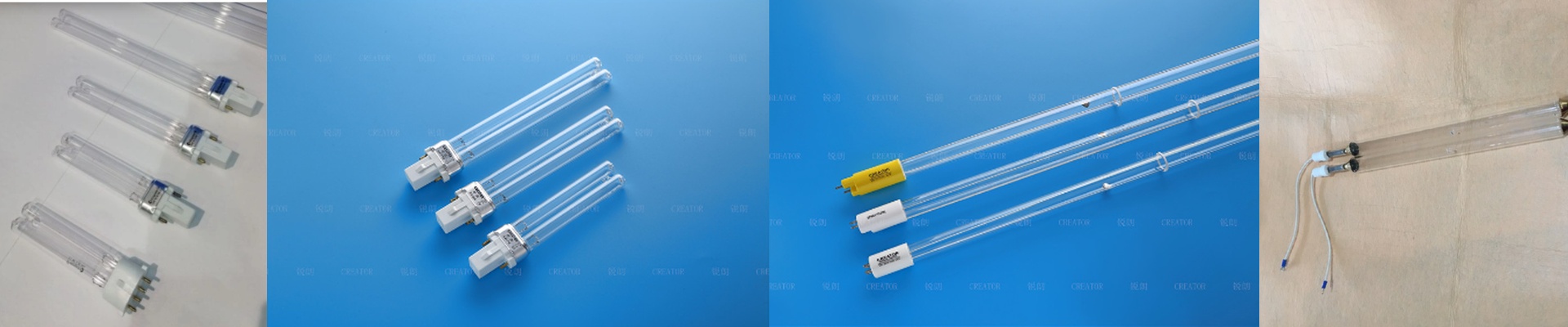
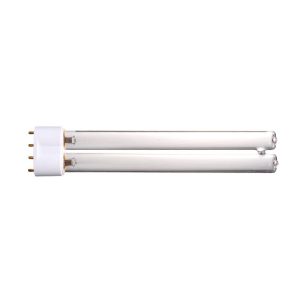
On a flexo press, blur and halation usually show up when the UV system can’t hold spectral output and irradiance steady from one job to the next. Ink stays tacky at the edges, dot gain creeps in, and registration starts to drift. You end up chasing color, scrapping runs, and burning time.
What actually matters under the hood
We build the lamp around repeatable energy delivery. A high-pressure mercury vapor lamp, teamed with a dichroic-coated reflector, hits the photoinitiator absorption band at 365 nm while keeping a stable 385–405 nm shoulder for surface cure. Peak irradiance stays above 2.5 W/cm² at the web, so cross-linking happens in milliseconds. You get deep penetration through pigmented layers and a fully cured surface—no residual tack to cause pick-off or set-off. Output stability holds over 3,000 hours with less than 3% drop, so your cure profile doesn’t drift in the middle of a long run.
Why this holds up on the press
In label work, you need the same cure dose at 100 m/min and at 300 m/min. This lamp keeps dose variance within ±2% across that speed window, which stops ink flow issues at the doctor blade and prevents dot edge migration. The cure front locks the dot immediately, so halftones stay clean, reverse type stays crisp, and color density stays consistent on films and papers. That translates to fewer rejects, quicker changeovers, and repeatable print performance.
What to watch for
Match lamp output to the ink chemistry, and make sure the reflector width and focal distance line up with your deck geometry. Under sustained high power, expect lamp temperature at the electrodes to climb 10–15%—keep airflow and cooling as specified, or output will drift. If the lamp sits close to the substrate, verify ozone-free operation. For the cleanest setup, calibrate with a spectral radiometer and log irradiance at the web, not at the lamp face.