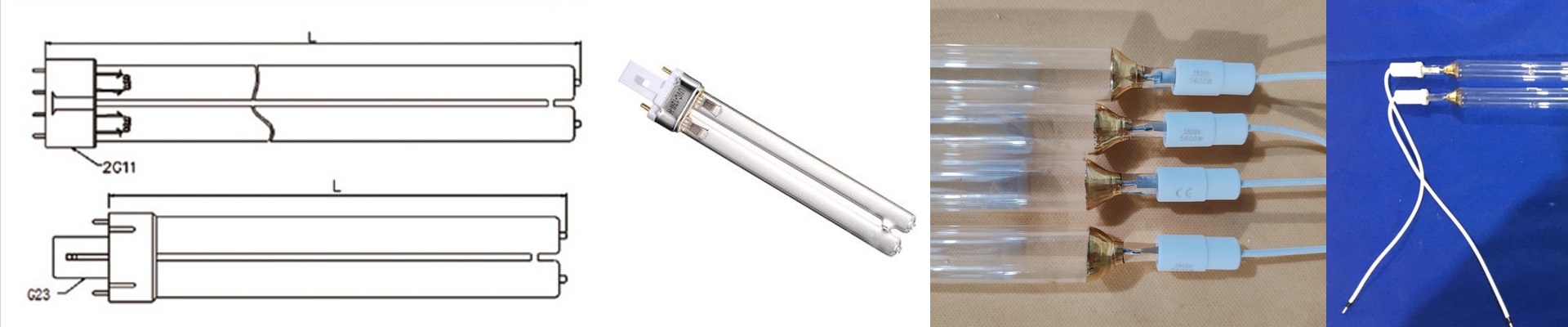
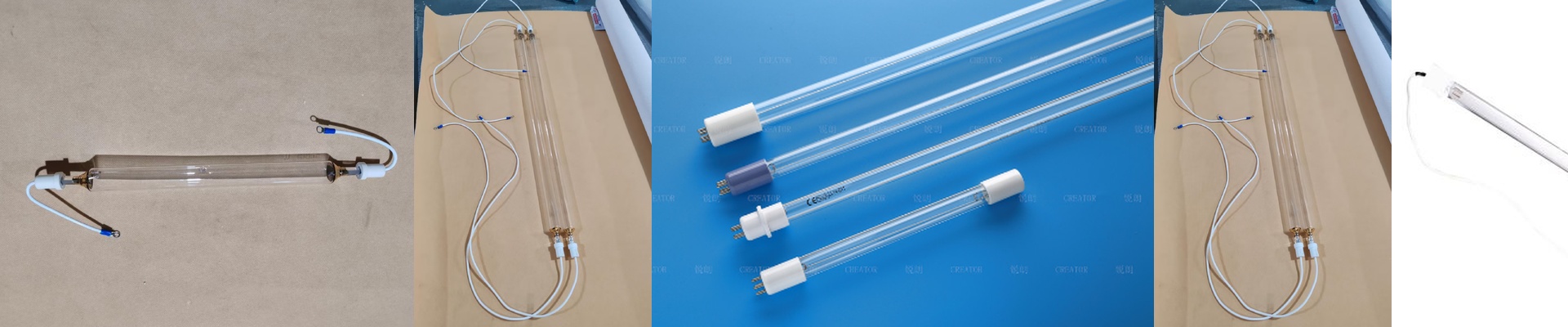
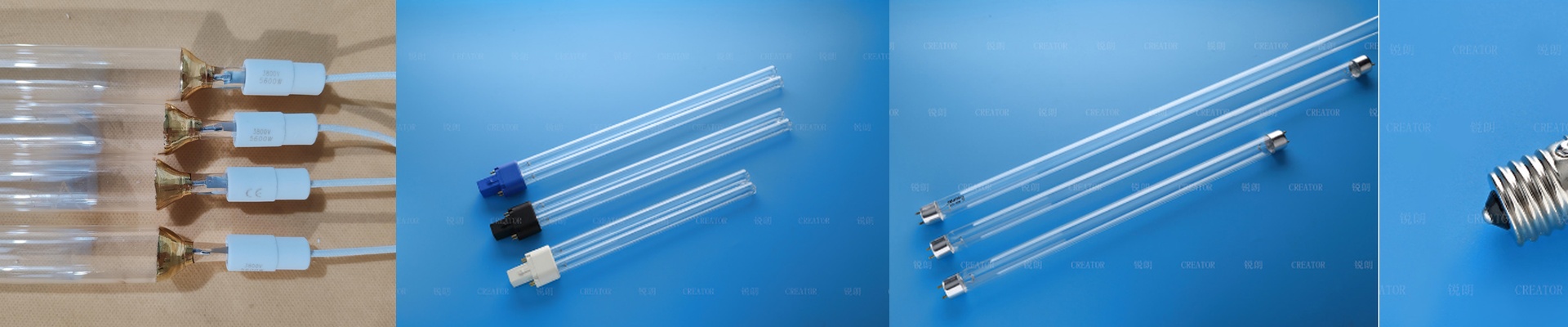
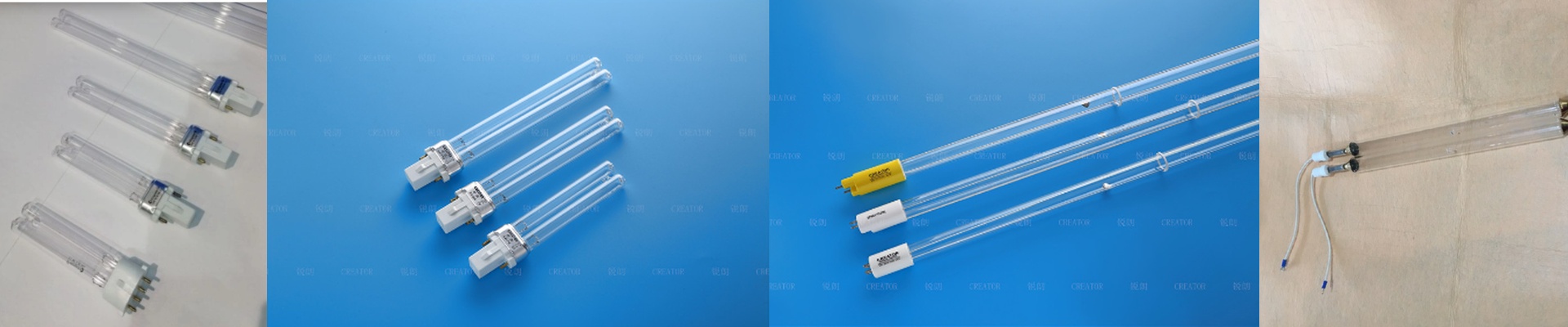
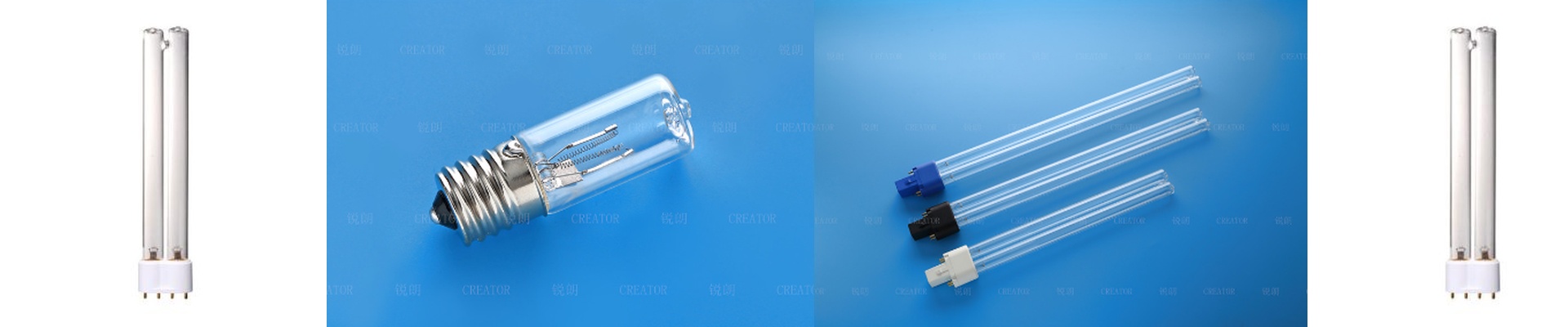
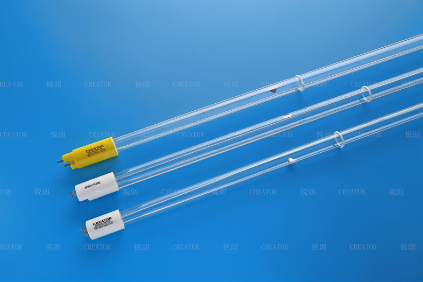
On the line, chemical disinfection drags everything down—rinse waits, hazardous residues to handle, and ventilation costs that never quit. If you’re moving to UVC, you can’t gamble on a lamp that falls off at 2,000 hours or gives you a dose that swings all over the place. You need steady 254nm output, shift after shift, no excuses. What actually matters under the hood We build the UVC lamp around two numbers you can measure: germicidal output that holds up, and electrical efficiency that keeps the watt-hours in check. The quartz sleeve is chosen for high 254nm transmission and thermal stability, so irradiance stays above 85% of the initial level past 9,000 hours in continuous operation. At the target plane, peak irradiance hits 120–150 mW/cm², putting 100–300 mJ/cm² on typical microbial loads to get the job done. The system runs at 0.85–0.92 PL/W, so you get more dose per watt and lower energy draw. Why this works in practice Swapping chemical disinfectants for UVC turns a slow, safety-heavy step into something fast and contained. With consistent spectral output, you can run continuous conveyor speeds without over-dosing, and you stop chemical carryover from messing with product quality. Long lamp life means fewer change-outs, less downtime, and maintenance you can plan around. You also cut the effluent treatment load and remove the variability that batch chemistry always brings. The details you can’t ignore UVC intensity drops when the sleeve fouls, the lamp ages, and temperature drifts. Keep the sleeve clean, verify water/air temperature at the chamber, and schedule irradiance checks every 2,000 hours. Match lamp length, arc gap, and terminal style to your fixture, and confirm ballast compatibility—otherwise you’re asking for premature end-of-life. For ozone-free operation, specify the right low-ozone quartz and make sure airflow over the lamp body is correct.