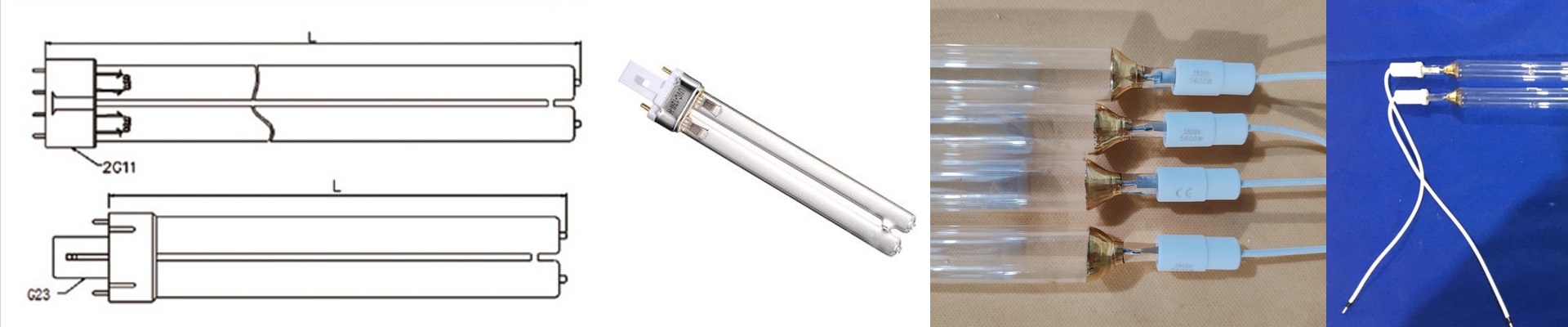
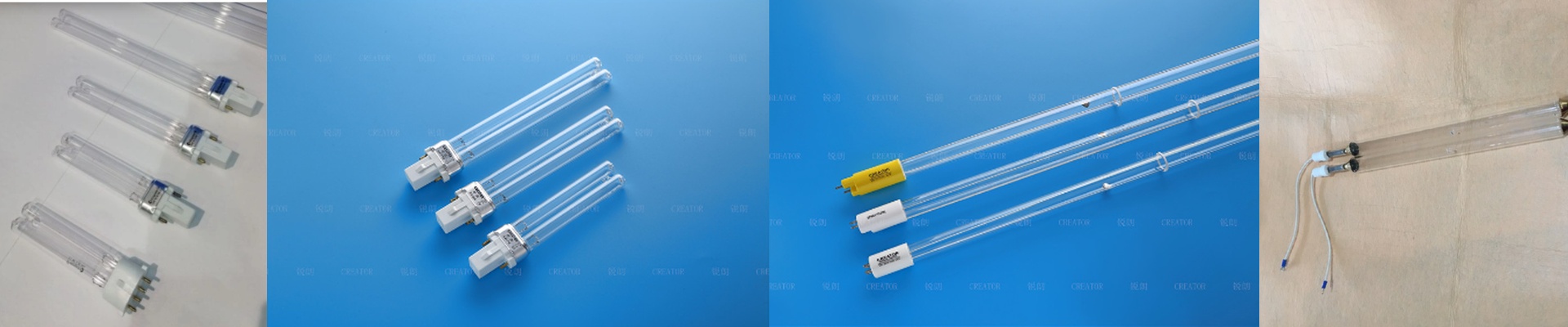
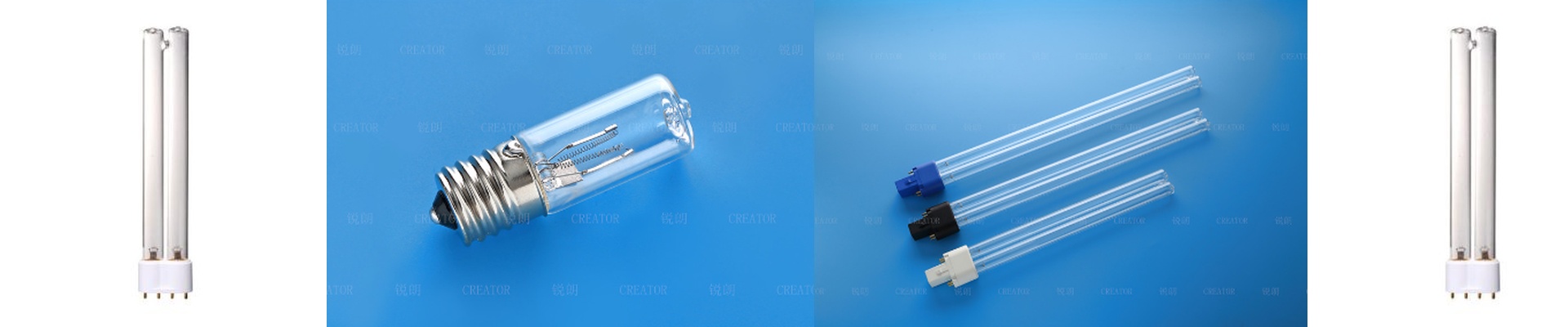
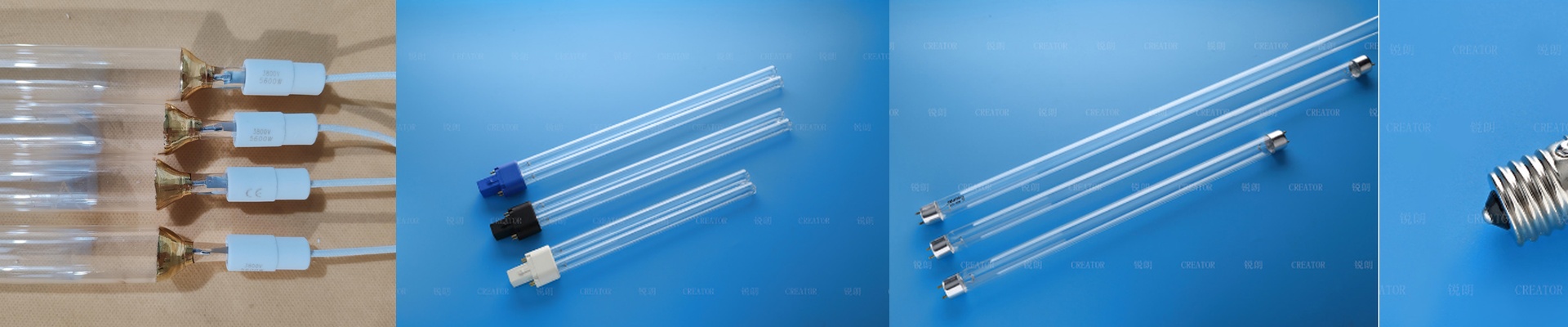
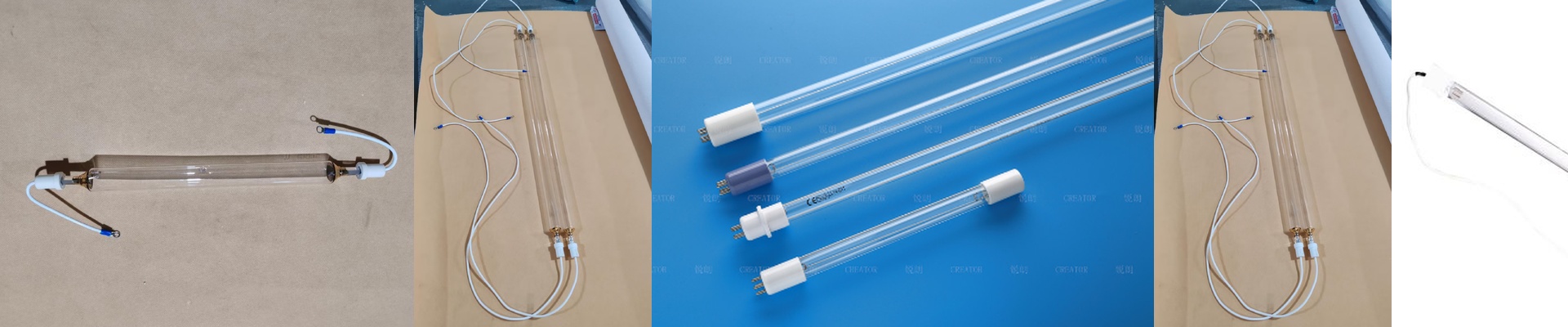
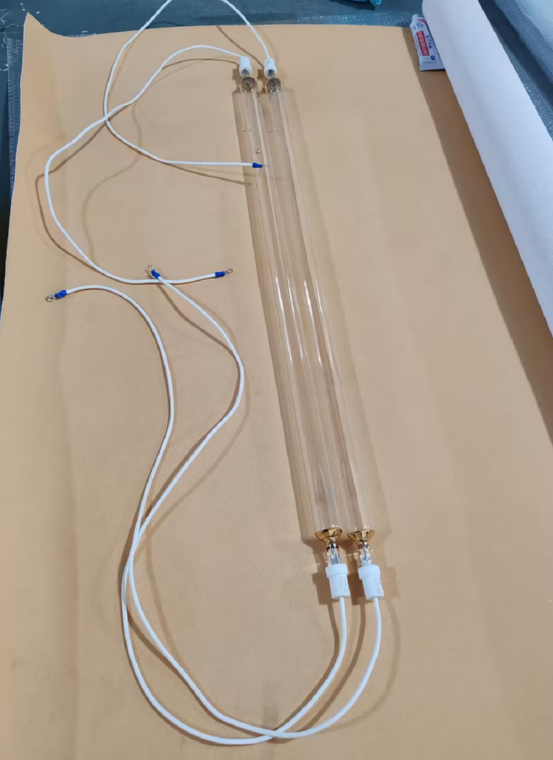
Office disinfection robots can’t sit around. In lobbies, conference rooms, and co-working areas, every extra minute per cycle means fewer rotations per shift and a higher operating bill. The bottleneck is usually the lamp: if the UVC output doesn’t have the energy density, the robot has to loiter, and throughput falls off. What matters, technically We built the Safe UVC germicidal lamp around 254nm monochromatic output and a stabilized quartz arc tube. It delivers peak irradiance above 150 μW/cm² at 1 meter, which gives you a high photon fluence rate. That means the required germicidal dose happens in seconds, not minutes. Output stability is held within 3% over the first 9,000 hours, and it’s ozone-free, so it can run safely under occupied-adjacent protocols. Why it fits this application With public-space disinfection robots, the goal is speed you can trust. High-energy-density UVC cuts dwell time per zone, boosting throughput and letting the robot cover more ground on a single battery charge. Integration is straightforward: the lamp works with motion and presence sensors to keep interlocks solid, and the spectral purity makes dosing calculations simpler. You end up with repeatable cycles, less queue time, and maintenance intervals you can plan around. Here are the details you need Match the lamp to the fixture. Reflector geometry and quartz window transmission have to be aligned; if reflectivity is off, delivered dose can drop by 20% or more. Check the robot’s thermal envelope. High-irradiance lamps create localized heat, and that heat has to be handled by the existing airflow. Plan for warm-up. The arc needs time to settle into stable output, so schedule dwell windows with that in mind.