Getting the Most Out of Your Gallium Iodide Lamps
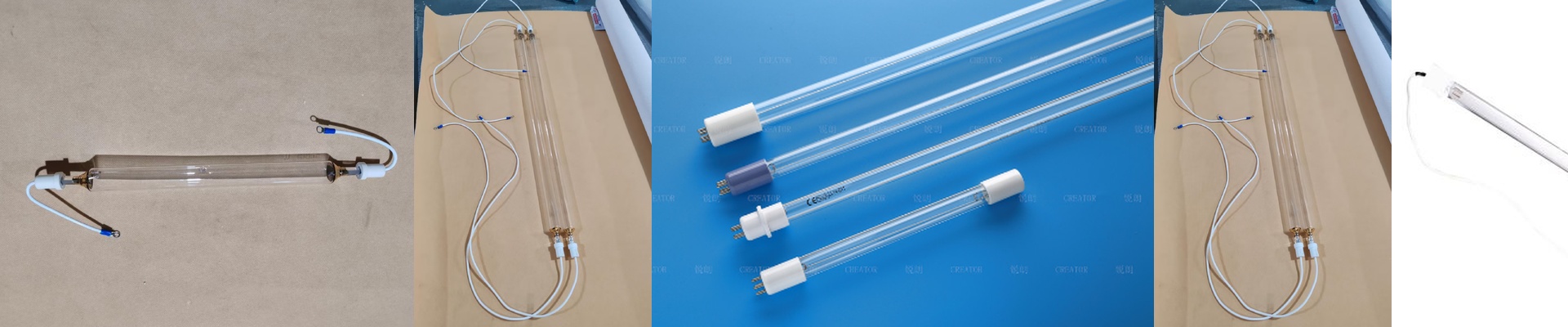
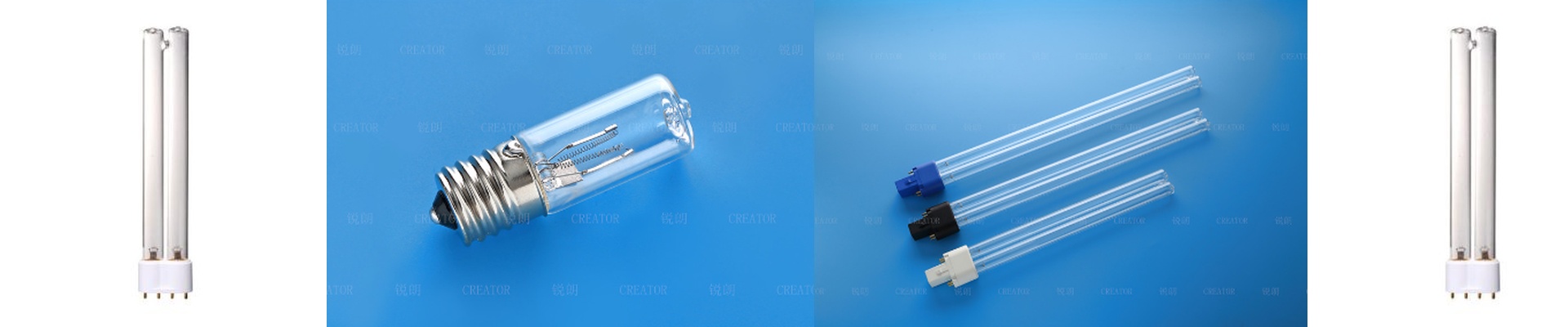
Most lighting falls into two camps: UV or IR. Gallium iodide lamps live right in the middle. We build these specifically for the tough stuff—high-intensity curing and heating jobs where your standard halogen or quartz lamps just can’t hit the right wavelength.
How they actually work
Standard tungsten filaments are fine for some things, but they don’t cut it here. We use a halide filling to shift the emission peak. Why does that matter? Because it lets the light sink deeper into your polymers or coatings. The trick is in the balance. We obsess over the gas pressure and gallium concentration so the output stays steady from one end of the tube to the other. If that ratio is even slightly off, you get hot spots. And hot spots are the fastest way to burn through a filament.
Why we do it differently
We’re not middle-men. We own the whole process, from the raw quartz tubing to the final seal. Since we aren’t buying from a distributor, we can keep the cost of high-purity gallium down. We also use precision-machined electrodes. They fit tight, which means less electrical resistance and a much more reliable connection.
The heat struggle
Here’s the thing: if you push these lamps at high wattages, they get hot. Really hot. Sure, your curing cycles get faster, but it puts a massive amount of stress on the quartz. If your cooling fans aren’t up to the task, the ends of the tube will overheat and crack. It’s a nightmare. To avoid that thermal shock, we suggest sticking to a strict duty cycle.
Swapping them in
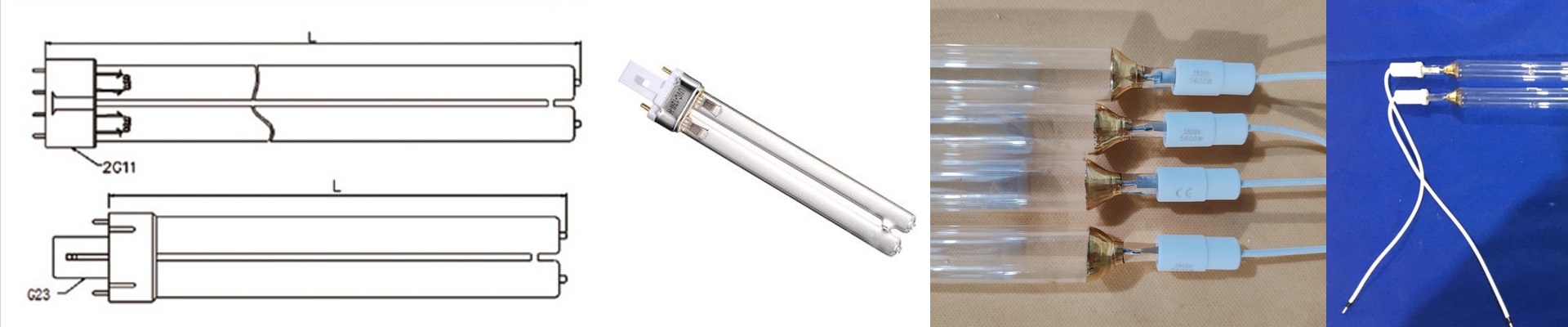
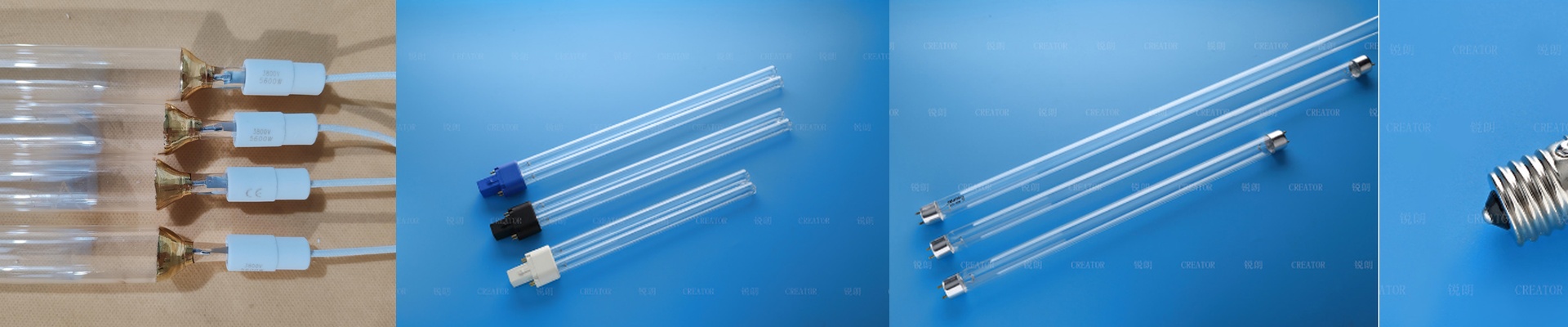
You shouldn’t have to rebuild your entire machine just to upgrade your lights. We design our lamps to be simple drop-in replacements. Need a weird length? A custom voltage? We’ll build it to fit your exact footprint. As long as your ballast can handle the initial surge when you flip the switch, you can wire these right into your current power supply. It’s a quick swap that doesn’t require a total overhaul of your layout.