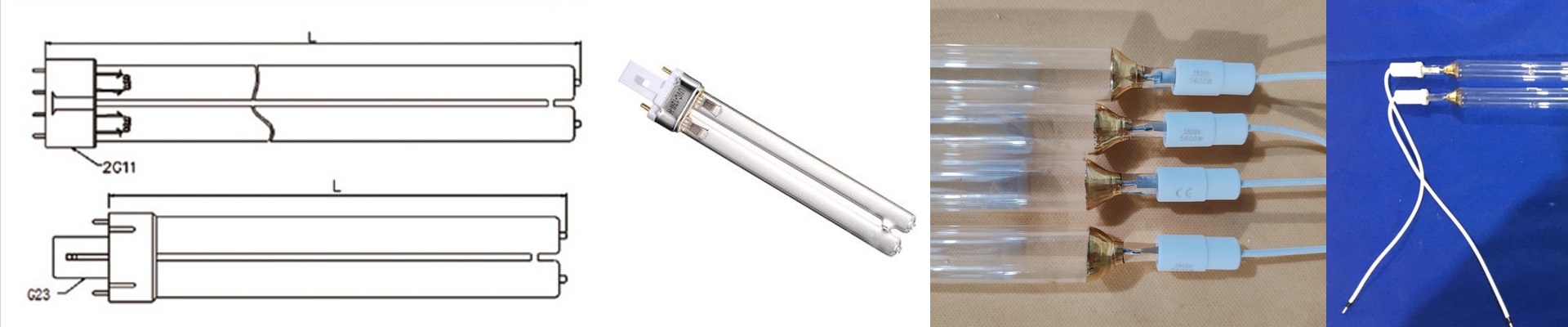
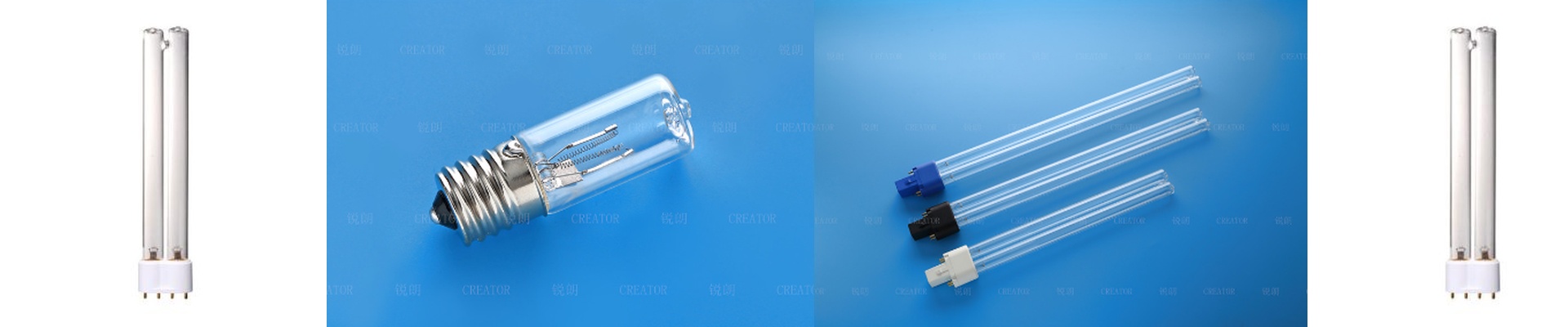
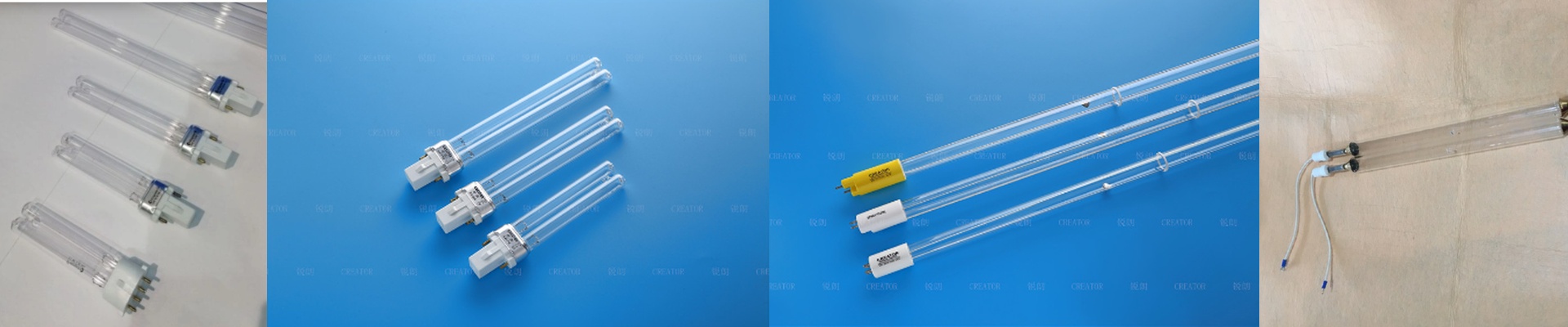
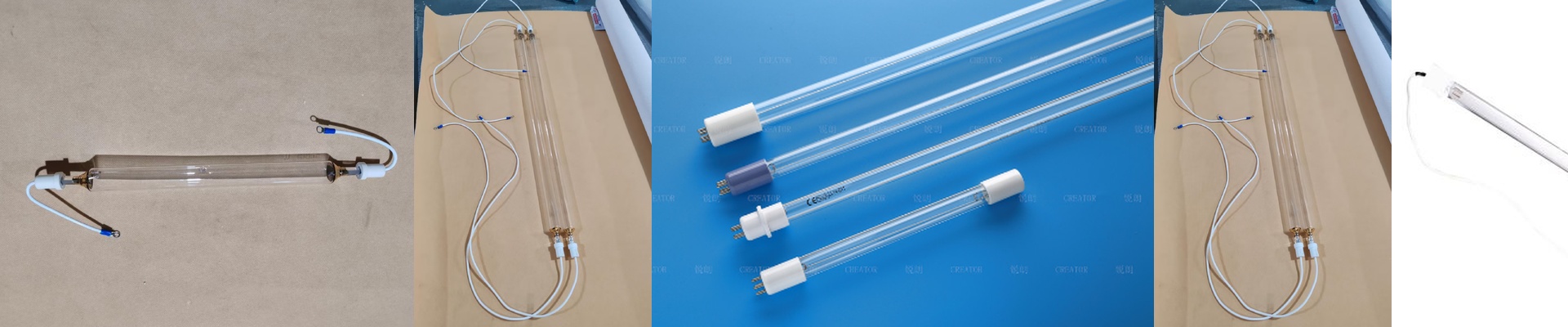
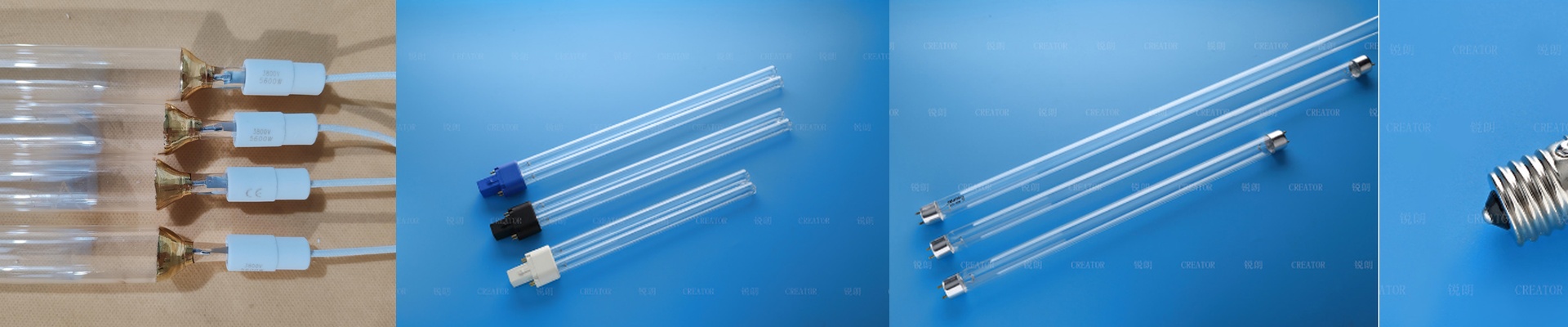
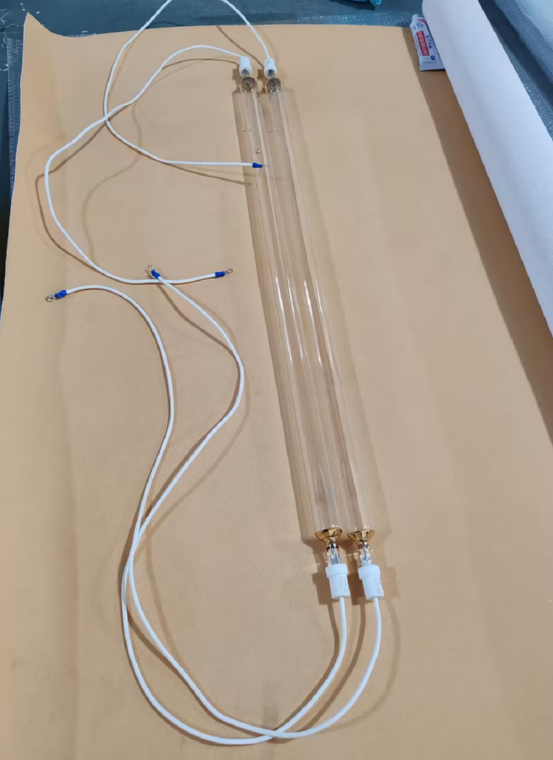
On an automated elliptical screen press, the bottleneck usually isn’t the print head—it’s the flash-dry station. If the UV lamp can’t deliver enough energy density inside that tight dwell window, the ink stays tacky, the stack-up backs up, and you lose cycles. Emperor Aquatics UV lamps are built to compress flash-dry time without giving up cure depth, so the machine can run the way it was designed. What matters technically We spec high-pressure mercury vapor lamps with a stable spectral output centered at 365 nm—the wavelength that reliably triggers photoinitiators in standard UV inks. Peak irradiance at the substrate plane is tuned to ≥1200 mW/cm², so cross-linking happens fast, even when the UV exposure window is measured in milliseconds at line speed. The reflector uses a dichroic coating to push more usable UV back onto the substrate and keep IR heat load down, so substrate temperature stays under control. In a single pass, you’re typically hitting 500–800 mJ/cm²—enough to surface-cure and lock in adhesion. Why it works on an elliptical platform On an elliptical, the flash-dry zone length is fixed, so shaving cure time directly buys you throughput. With an Emperor Aquatics lamp, flash-dry time can be cut by 30–40% compared with legacy systems, which translates into more cycles per hour without touching the conveyor or platen layout. You get consistent surface cure, better stack-up reliability, and fewer rejects. Power use drops, too—the lamp hits stable output quickly, and the reflector system wastes less radiant heat. Here’s what to watch for You have to match lamp output to the press geometry. Irradiance falls off with distance, so the substrate path needs to stay inside the optimal focal band. These lamps are ozone-free, but they still need solid cooling airflow and a stable power supply to keep spectral output steady. Schedule reflector inspection every 2000 hours; even minor coating degradation cuts into usable UV and can wipe out the cycle-time gains you’re after.