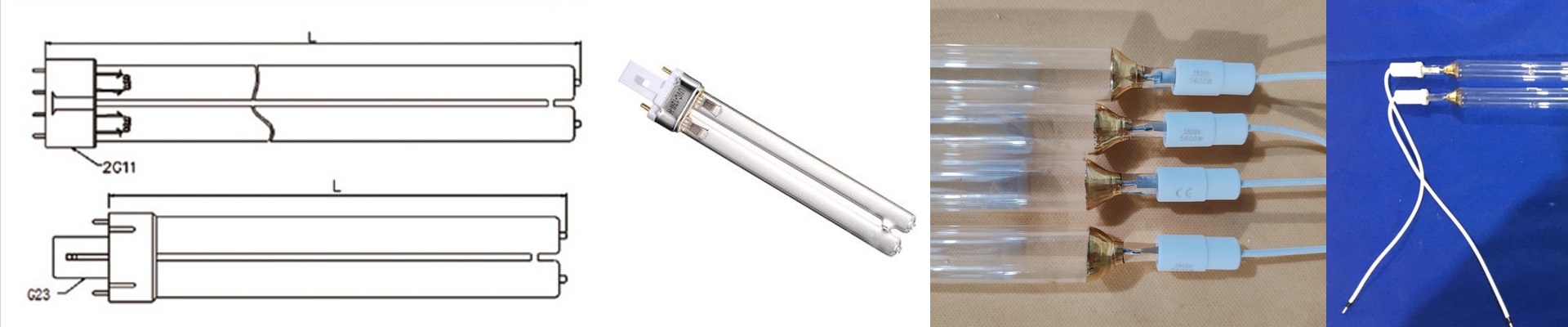
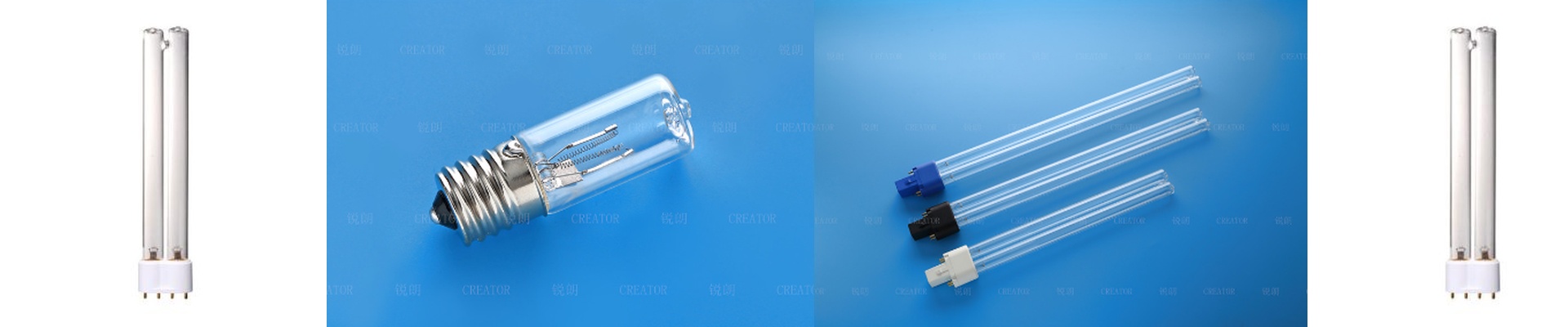
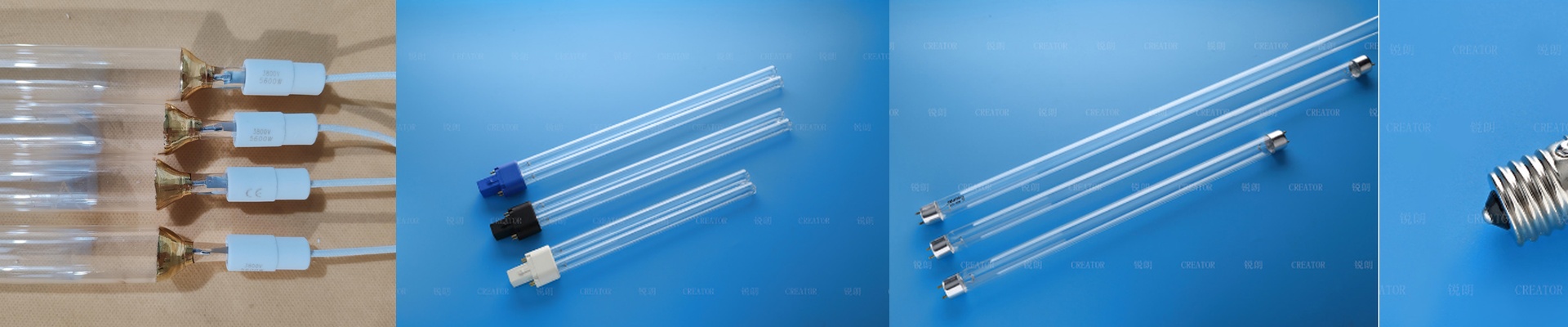
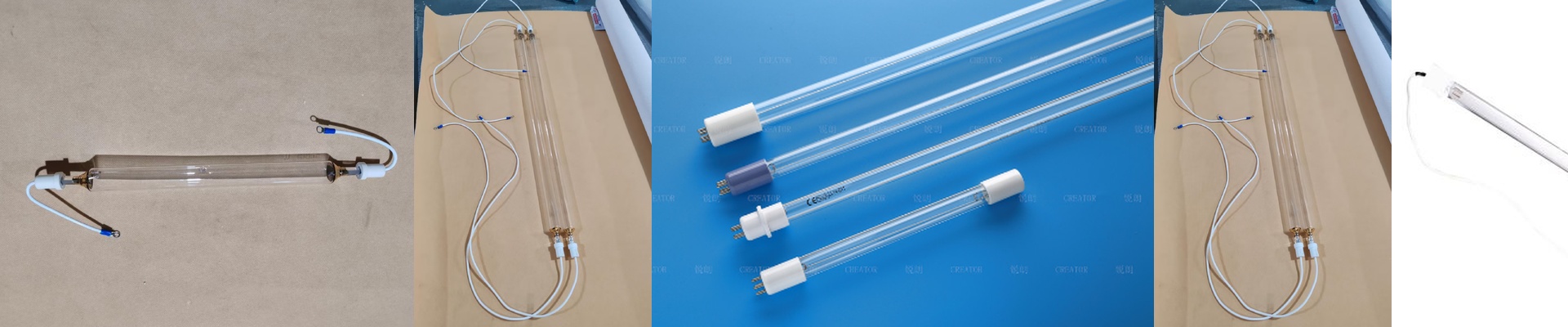
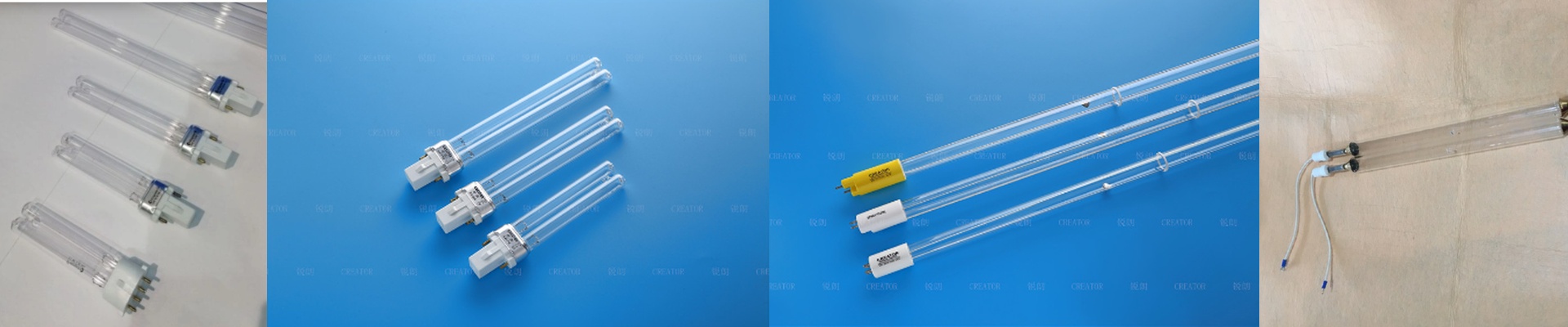
On the floor, your UV curing line doesn’t pause so you can chase lab-grade repeatability. But when you’re running spectral verification, setting photoinitiator windows, or qualifying a new ink batch, the lamp has to deliver stable, measurable output—every single time. That gap between lab needs and production reality is exactly why we built UV lamps for lab analysis with a production-grade cost structure. What matters under the hood We design these units around controlled spectral output and repeatable irradiance. Pick 365nm when you need deep through-cure on thick ink films, 385nm for a balance of surface and sub-surface cross-linking, or 405nm for formulations tuned to longer wavelengths. Peak irradiance is specified at the arc, and energy density comes through as a predictable mJ/cm² profile across the target width. The reflector uses a dichroic coating to push more usable UV forward while cutting wasted IR heat. Ozone-free operation keeps the environment safer and cuts down on maintenance interruptions. Here’s why it holds up in a real shop. You get measured on uptime, scrap, and total cost of ownership. These lamps are engineered to hit the same curing energy targets you depend on in offset, flexo, and screen lines—without pricing you out of the spectral control you need for analysis work. Fewer re-qualification runs. Faster changeovers. Cure that stays consistent shift after shift. Add in a long lamp life and a stable output curve, and you end up replacing less often, which brings per-unit cost down. A few field-tested notes. Installation is straightforward, but alignment is not optional. Even a small offset between lamp, reflector, and substrate shifts irradiance distribution and can move your cure window. When you swap lamps, check the reflector condition, and make sure the power supply matches the rated voltage and ignition requirements. For the best performance, match the wavelength to your ink’s photoinitiator absorption and keep an eye on output with a calibrated radiometer.