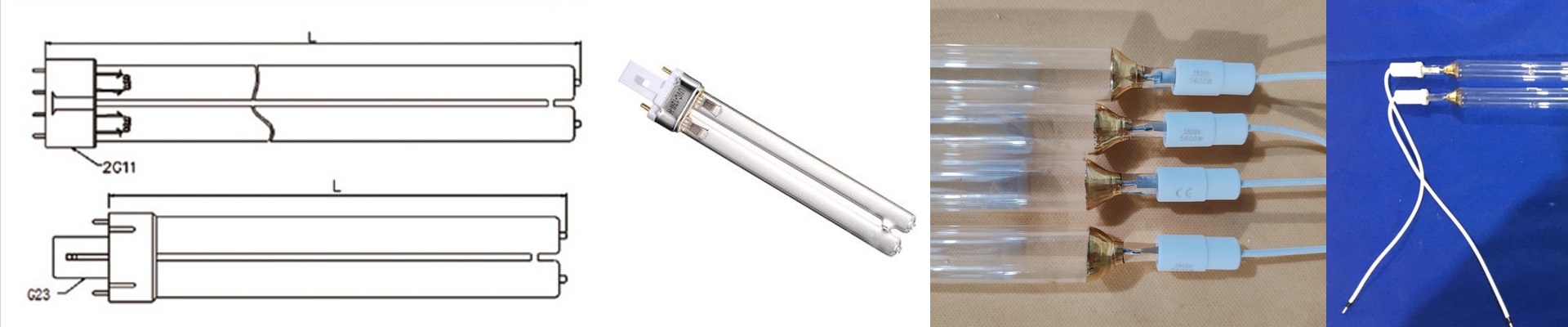
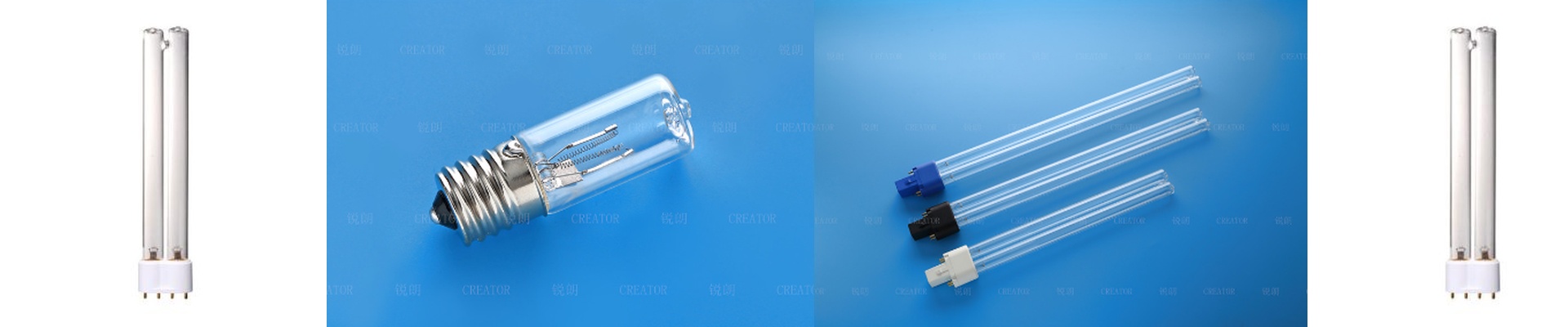
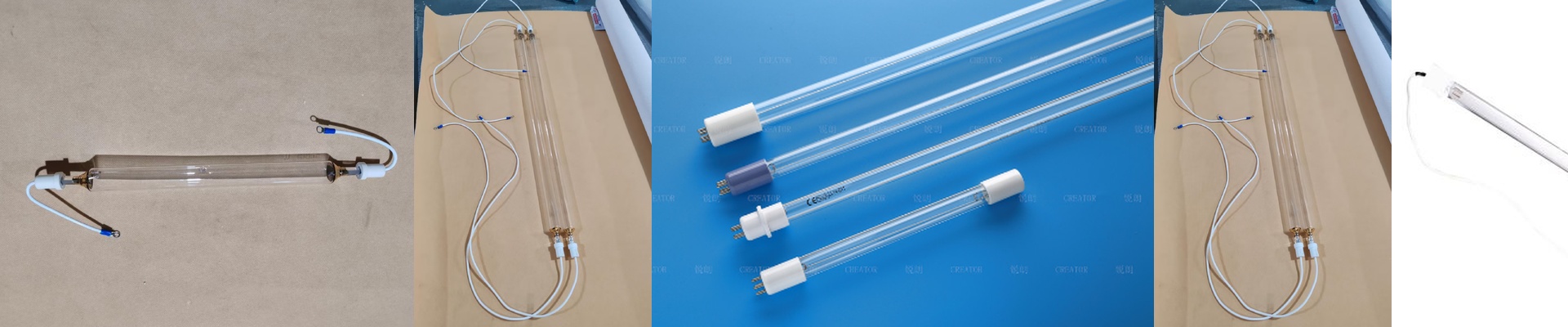
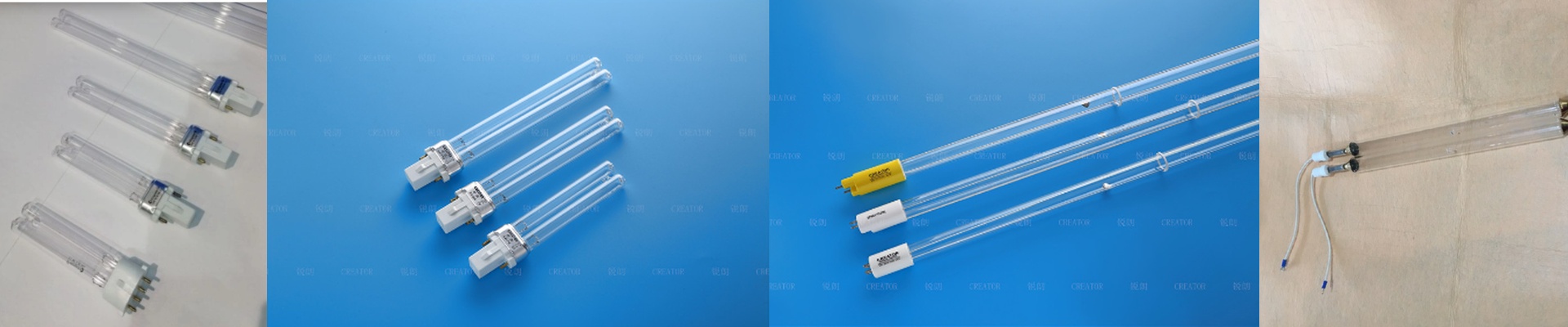
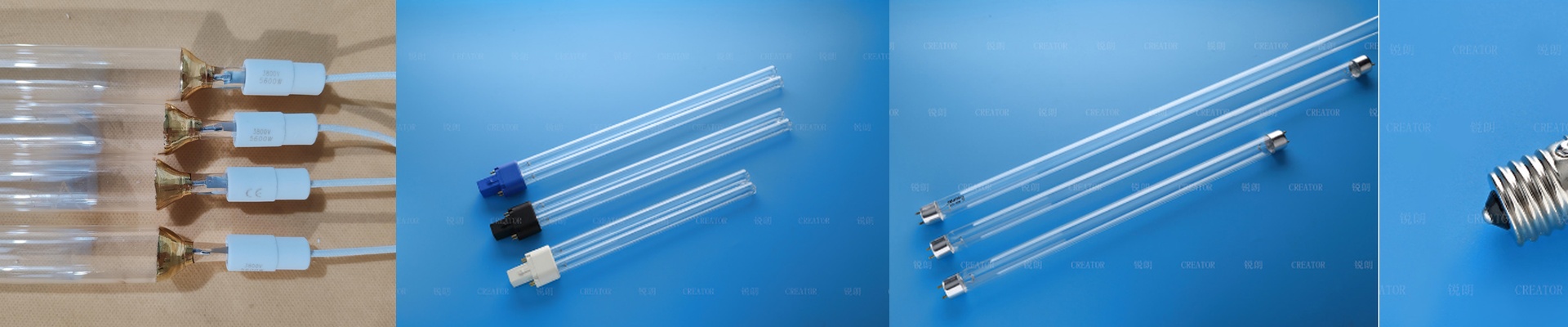
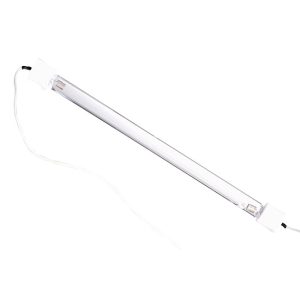
Out on the pad and screen lines, color drift isn’t just a cosmetic headache—it shuts the job down. When the UV lamp’s output doesn’t line up with the ink’s photoinitiator absorption band, you end up wasting curing energy, cross-linking falls short, and the pigment chemistry starts to drift. Batch-to-batch Pantone matches go sideways. Here’s what actually matters: spectral match, not raw wattage. A high-pressure mercury vapor lamp throws strong peaks at 365nm and 405nm, with broad UVA coverage. For most epoxy-acrylate and pigmented systems, that 365nm peak is what drives the deep cure that locks color down. We spec lamps with a tight spectral envelope, a dichroic reflector that keeps peak irradiance above 1,200 mW/cm² at the substrate plane, and output stability within 5% over 2,000 hours. That keeps the photoinitiator activation profile steady. The reason it works is straightforward: consistent energy density means consistent color. When the lamp and ink are matched, you can run full speed without chasing shade shifts. Hit 80–120 m/min, land 600–800 mJ/cm² at the print surface, and keep dot gain and opacity in tolerance. Energy draw drops because the reflector puts usable UV on target instead of dumping it as heat. Lamp life stretches, too, since a stable arc temperature and ozone-free quartz envelope cut down on degradation. One practical note: check your reflector geometry and shutter cycle. High peak irradiance needs precise focal distance—misalign by a few millimeters and the delivered dose can drop by double digits. Match lamp ends and connectors to the fixture, and make sure the power supply can deliver the ignition voltage and current profile. Treat the lamp as part of the optical system, not just another consumable.