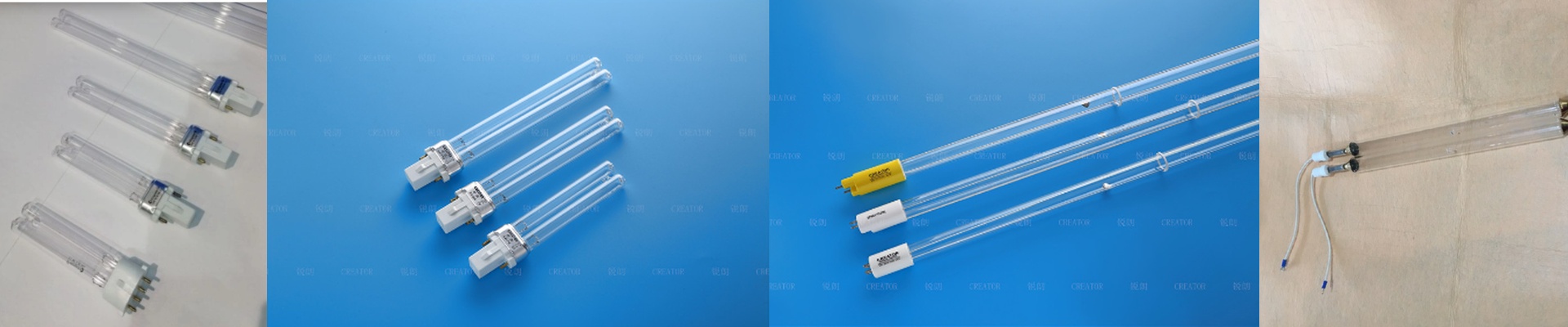
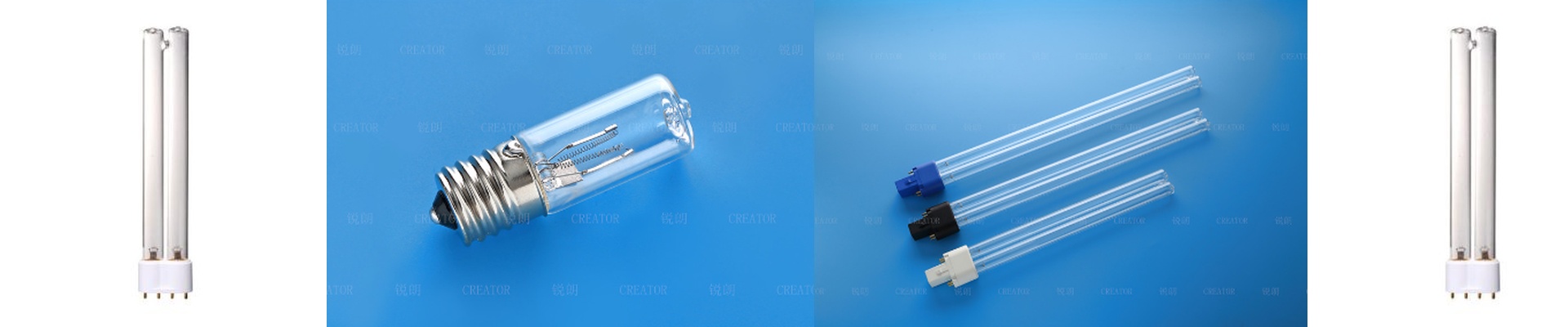
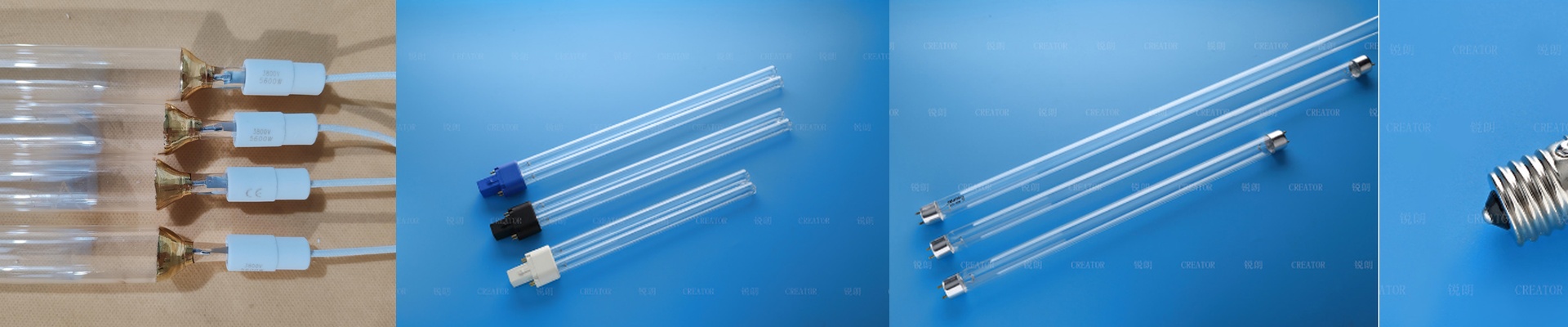
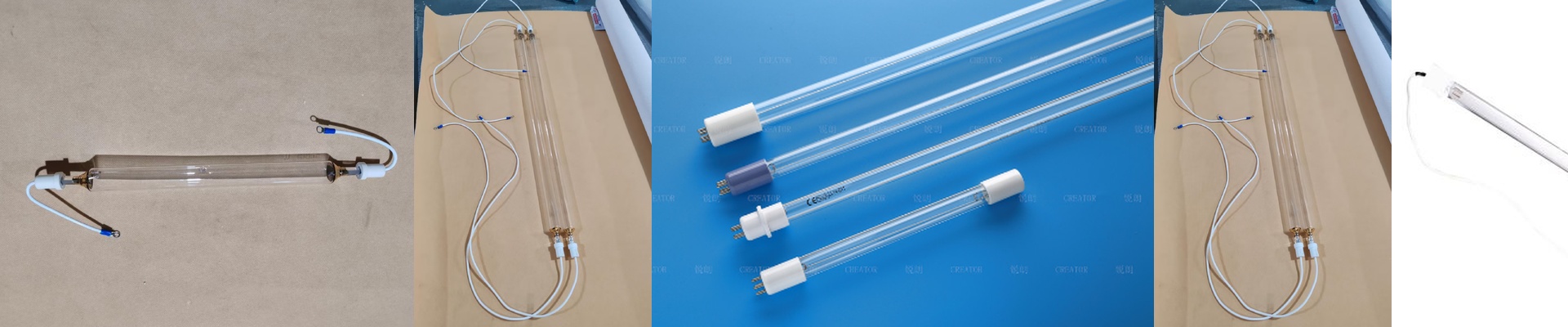
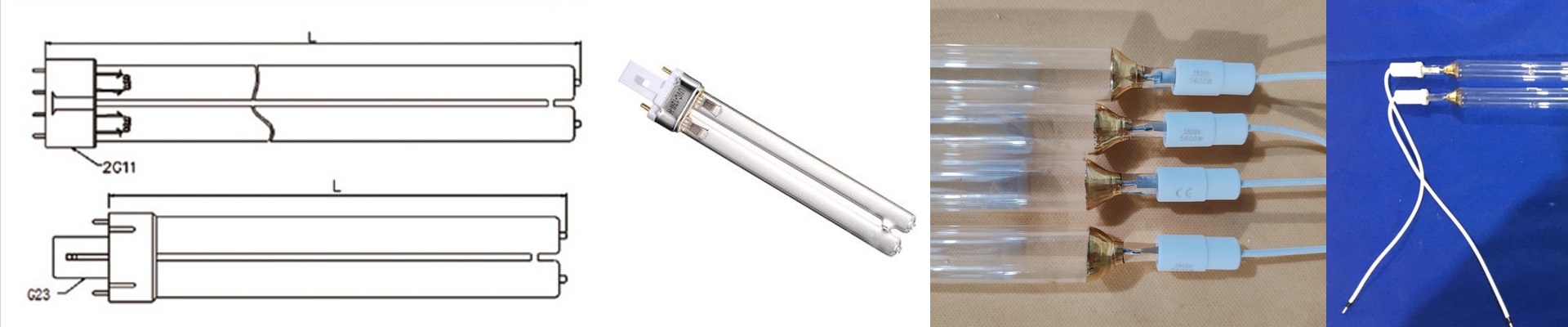
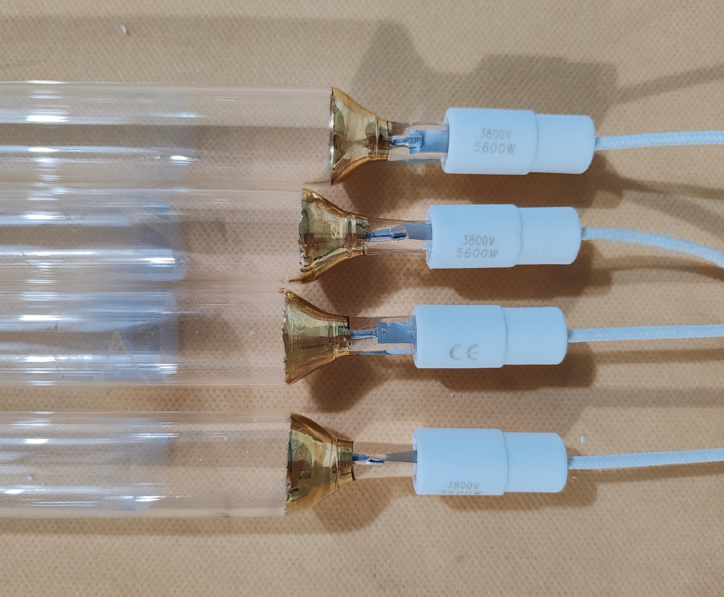
On the press floor, timing is everything. You’ve got a queue waiting and ink that has to go from wet to fully cross-linked in the blink of an eye. When the lamp doesn’t pull its weight, you know it right away—tack, poor adhesion, and runs that end up in the scrap bin. UV curing is straightforward at the core: UV energy hits the photoinitiator, and the polymer cross-linking kicks off instantly. But it’s not about what the lamp says on the label. It’s about the delivered dose—energy density in mJ/cm²—getting where it needs to go. What matters, technically We build dimmable UV curing lamp power around high-pressure mercury vapor sources. They hold stable spectral output at 365nm and 385nm, right where most photoinitiators are tuned. Peak irradiance at the substrate is what drives cure speed, not just arc power. The reflector assemblies use dichroic coatings to shape the spectrum and push more usable UV onto the web. Quartz windows give you the penetration you need for thicker ink films. Dimming is closed-loop, regulated by a sensor that keeps dose repeatable even when line speed changes. You set the energy, and the system keeps it there. Why this works in the real world In offset, flexo, and screen work, that control means you cure consistently—no scorching thin layers, no under-curing heavy deposits. Dimming cuts down on heat and prevents over-exposure on heat-sensitive substrates, while still delivering the energy needed for a complete cross-link. Operators can match lamp output to the ink chemistry and press speed, then lock it in job after job. The payoff is fewer rejects, adhesion that stays put, and throughput you can count on. Here’s what to keep in mind Dimmable lamp power isn’t plug-and-play on every press. You need to line up the control interface and sensor position with the existing lamp housing and power supply. Output stability also depends on lamp temperature and keeping the quartz clean—cooling and maintenance have to be treated with the same discipline as any industrial UV system. Plan the retrofit around your actual geometry and substrate path, and the control translates into repeatable, fast curing—the kind you can run with confidence.