The Power Behind UV Curing
We build UV lamp ballasts for the real world—specifically, for industrial curing lines that need serious muscle. These systems run anywhere from 1500W to 3000W, and that range isn’t random. It’s the sweet spot for delivering the raw UV energy needed to instantly lock in inks and coatings. The ballast is the quiet hero here. It keeps the lamp’s power on a tight leash. Without it, the lamp would run wild and burn out in seconds. Our ballasts deliver the exact starting voltage and steady current these high-wattage lamps crave, so the arc stays stable and the UV output stays consistent. And that consistency? It directly translates to line speed. A 3000W system, for instance, can handle thicker coatings or move the line faster than a 1500W unit. But that kind of power also demands a ballast that’s up to the task, and a power supply that won’t buckle under the load.
Built to Survive the Factory Floor
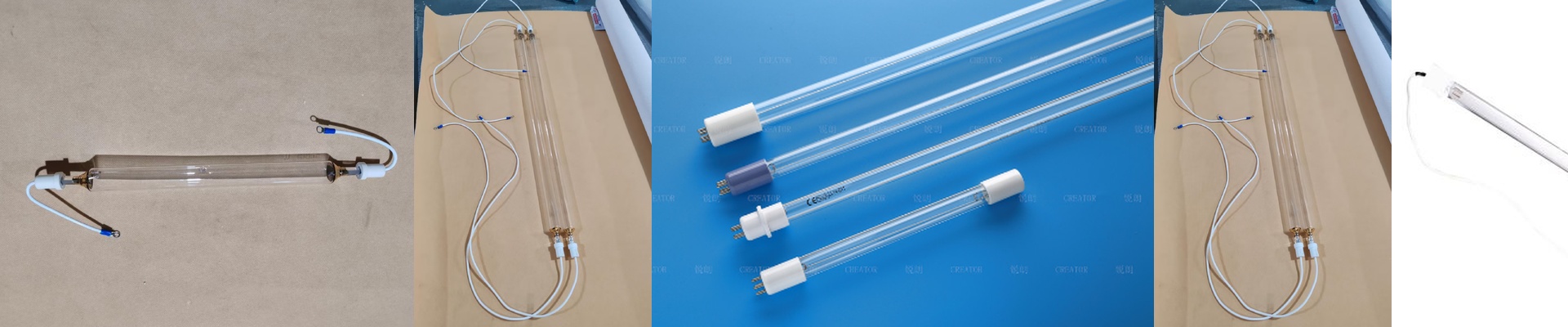
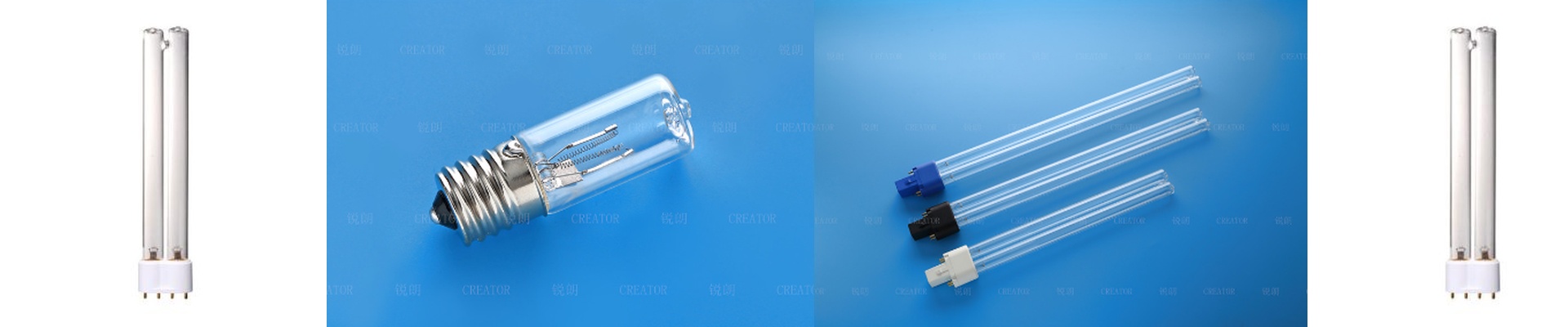
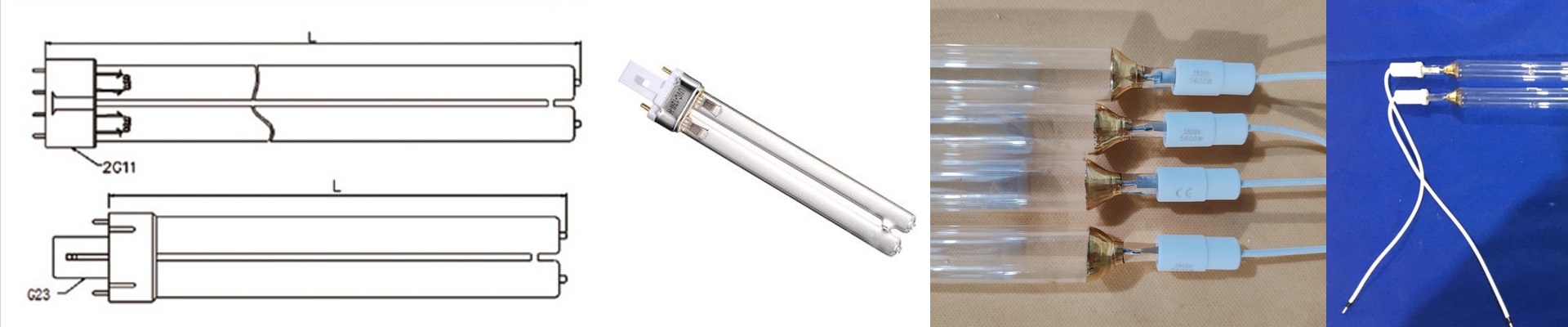
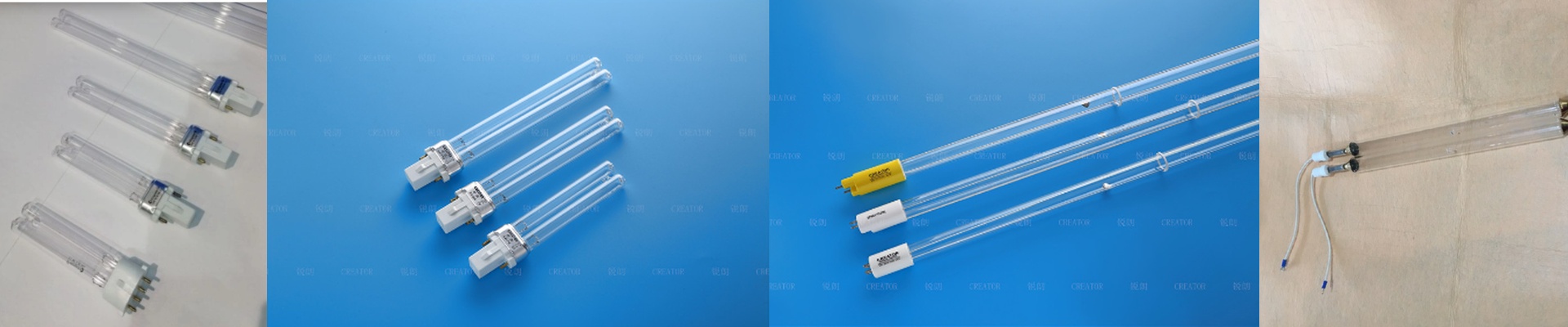
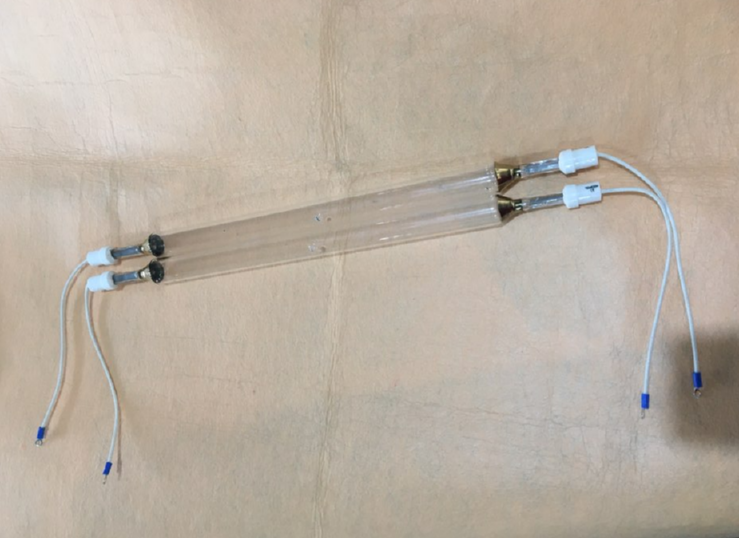
At the heart of it all is the lamp and how it connects. We pair our ballasts with quartz tubes, often with a special coating. Quartz handles the intense heat and lets UV pass through cleanly. The coating fine-tunes the wavelengths, so you get the exact light your ink’s photoinitiators are hungry for. Then there are the connectors—typically R7s or Sk15 types. They’re designed for the heat, providing a rock-solid, high-current connection that survives the constant shock of quick start-ups and shut-downs. The whole assembly is built to be swapped out easily. It’s a simple, drop-in replacement, which means less time standing still and more time keeping the line moving.
Real-World Curing, Real-World Limits
This setup is built for one thing: making inks, adhesives, and coatings cure on the spot. That instant curing is the magic. The surface goes from wet to rock-hard in a flash, so you can ditch the drying racks and keep things moving. But here’s the catch—that kind of power creates a lot of heat. Your cooling system, whether it’s air or water, has to be up to the job. If things overheat, you’ll start seeing lamps die early and curing become unpredictable. Keeping the temperature in check isn’t optional. It’s part of the deal if you want reliable, day-in, day-out performance. We build this system to be a workhorse, but it shines when the whole machine—power supply, ballast, and cooling—is matched to the lamp’s specs.
The Science of Instant Solid
It’s straightforward chemistry in action. The high-power UV lamp blasts out short-wave ultraviolet light. That light hits the photoinitiators in your ink, breaks their bonds, and kicks off a rapid polymerization reaction. In a split second, cross-links form, and the material hardens. The ballast makes sure the lamp keeps delivering that steady UV punch, shot after shot, so the reaction happens the same way every time. That’s why matching the ballast to the lamp wattage matters. Too little power, and the curing is weak—you end up with scrap. Too much, and you shorten the lamp’s life. The 1500W and 3000W numbers are all about giving the material exactly the energy it needs to do its thing.