Introduction
We hear this question all the time: shortwave UV or LED UV for printing on shirts? The truth? It depends. On your setup. On the inks you use. On how much space you’ve got to work with. Both get the job done. They just do it differently. It’s not about picking a winner—it’s about finding the right tool for your shop.
Power, Voltage, and Geometry
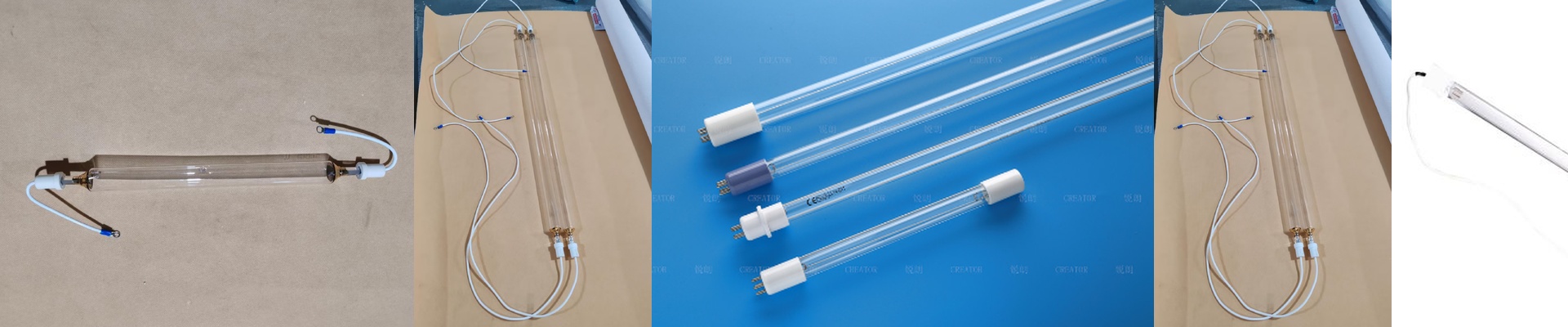
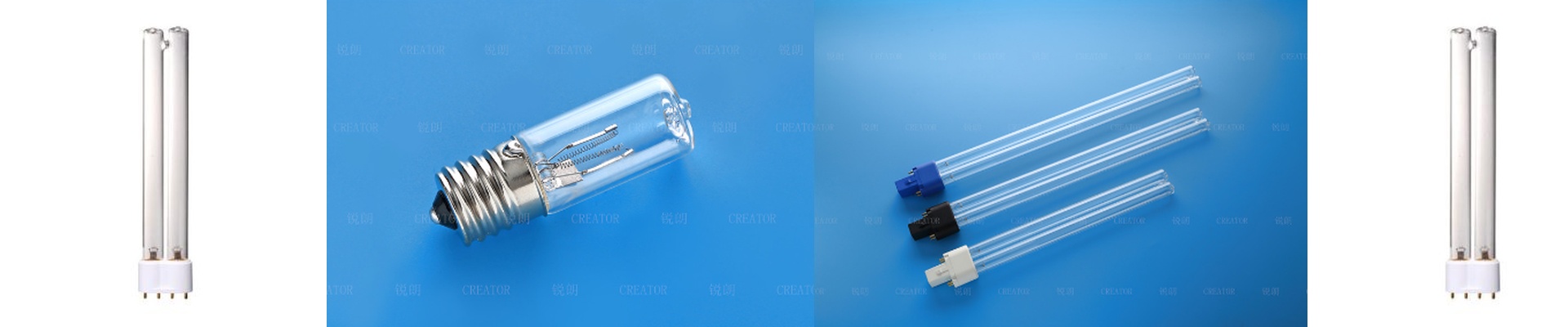
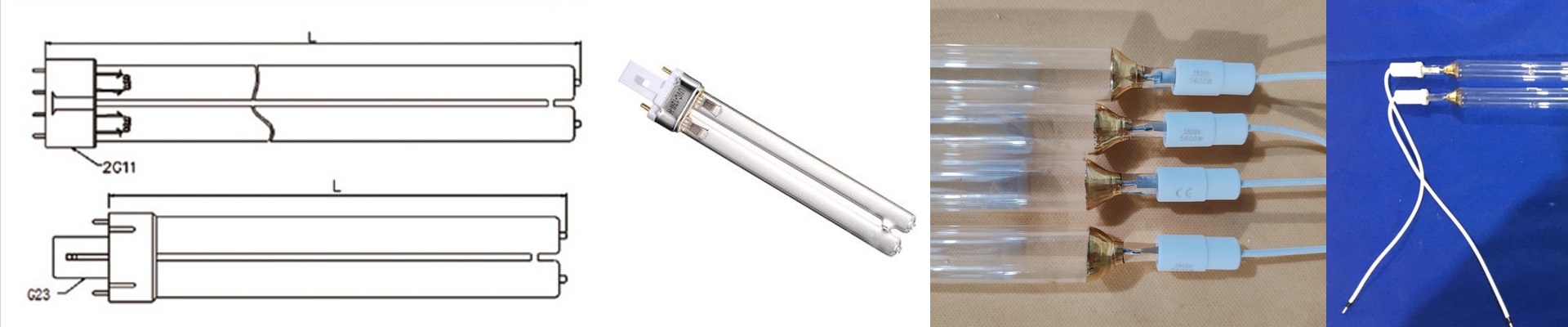
Let’s get into the guts of it. Shortwave UV lamps are built around high-intensity discharge physics. Think of a typical 400V, 2500W shortwave tube—it packs a lot of punch into a short, 300mm length. That tight design gives you a focused line of curing power. It hits the ink hard, right where you need it, without turning the whole shop into a sauna. LED UV systems run on low-voltage DC, usually 24V or 48V. You add power by adding modules. The light they give off is a narrow band—often 365nm or 395nm—which lines up perfectly with the photoinitiators in modern plastisol and water-based inks. Now, heat is the trade-off. Shortwave tubes run hotter, so you need solid cooling. LEDs feel cooler at the surface, but the heat still builds up at the junction. That heat has to be pulled away fast with active cooling to keep the output steady.
Material, Design, and the Shop Floor Details
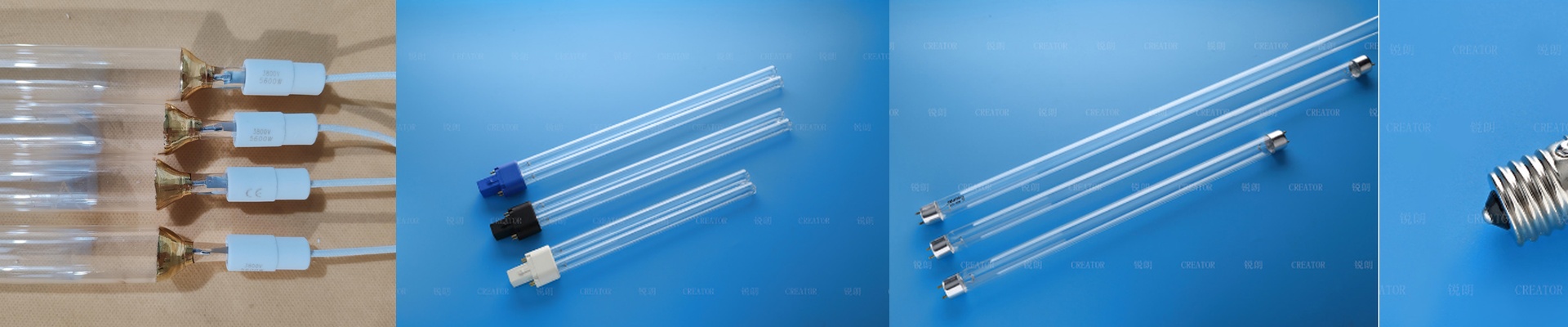
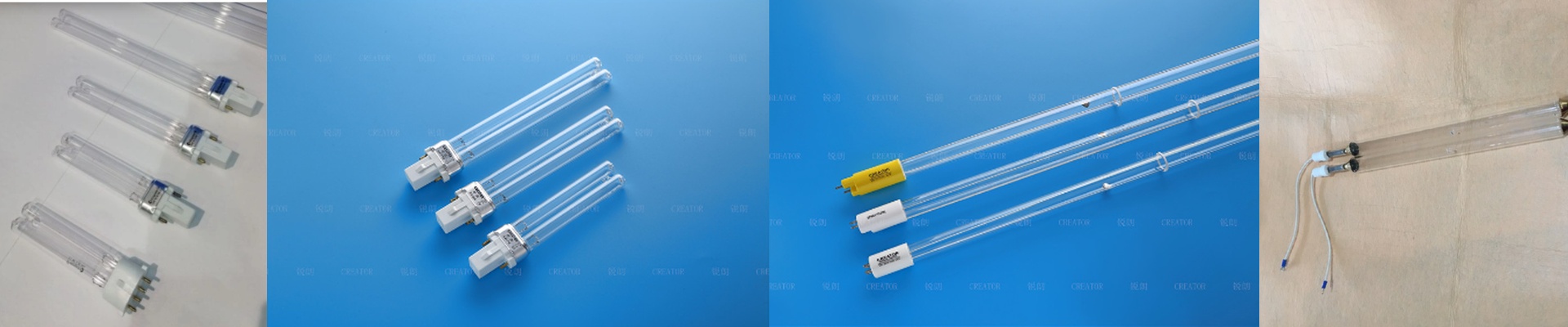
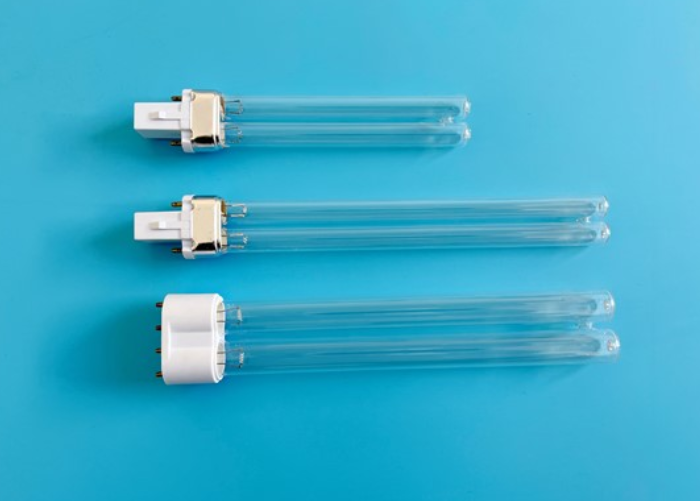
Shortwave UV lamps rely on quartz envelopes. That’s what lets the UVC through and keeps the arc stable. The gas mix inside and the electrode design determine how fast the lamp fires up and how long it lasts. We coat the reflector to bounce as much UV as possible onto the fabric—not to change the spectrum, just to make every bit count. And on the shop floor, the connector matters more than you’d think. An R7s base is simple, two-pin, and line-of-sight. That makes it an easy drop-in replacement for many older fixtures. SK15 connectors are smaller and more secure—great when space is tight and things are vibrating. LED modules usually use M8 or M5 screw terminals or latching connectors to keep everything from arcing when the machine is running.
Throughput, Installation, and Real-World Reality
For garment screen printing, shortwave UV shines when you’re curing thick layers of ink on heavy fabrics, and when your line is running at full speed. The concentrated power drives through the ink fast. But you’ll need proper shielding and ventilation to go with it. LED UV, on the other hand, is at home on thin films, fine details, and in setups where you want tight control over energy use. It fires up instantly, cycles quickly, and takes up less floor space. Here’s the reality check: Shortwave gives you serious power in a small footprint, but your cooling system has to be up to the task. LED gives you precise control over the light spectrum and a cooler surface, but you need to plan for module replacement and make sure your power supply and heat sinking match the workload. Pick the lamp that fits your ink, your production pace, and how much maintenance you’re comfortable handling.