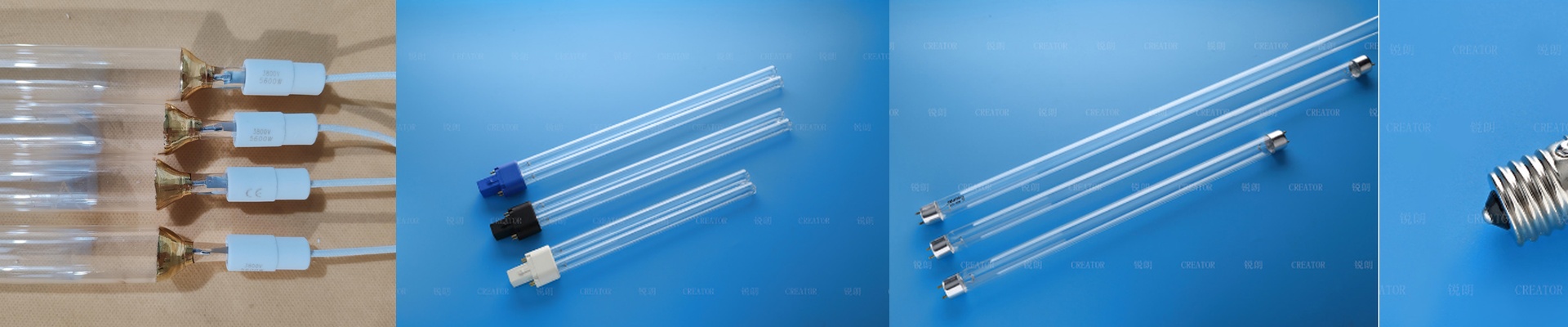
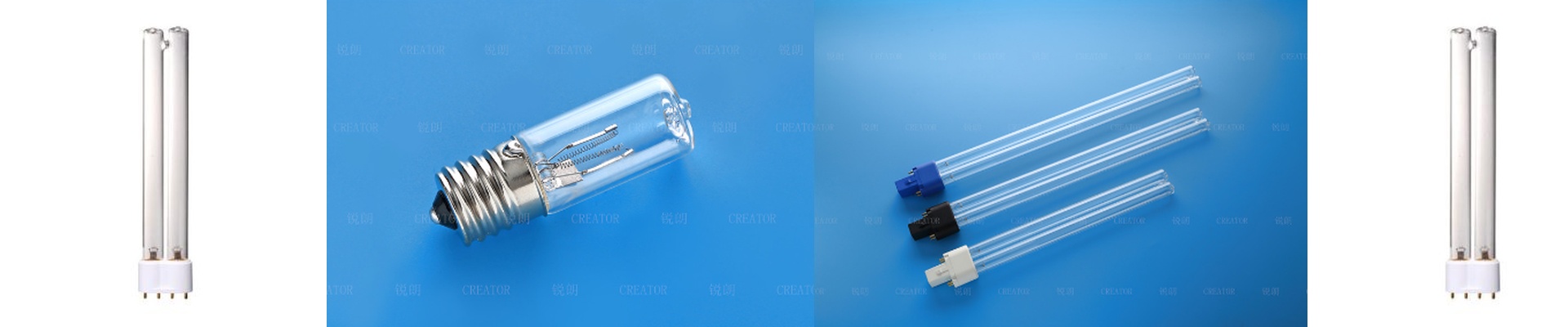
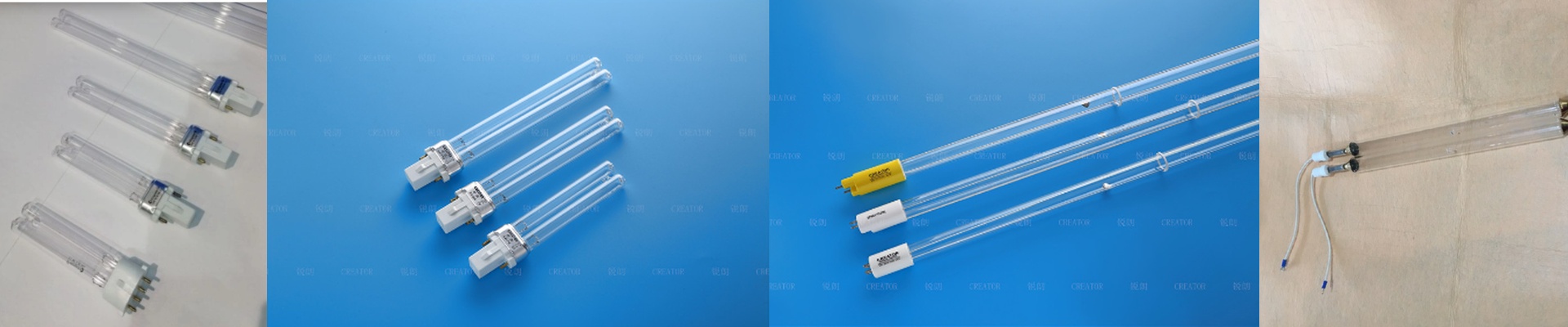
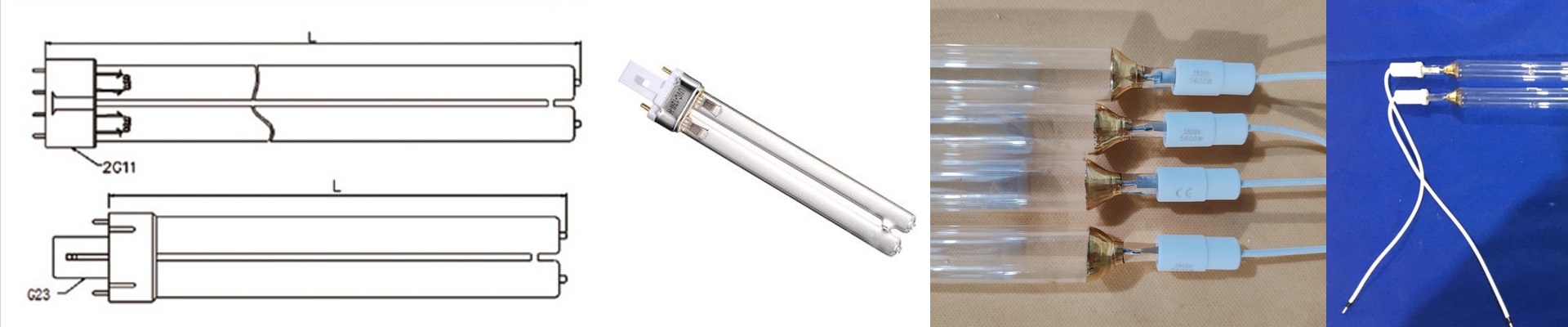
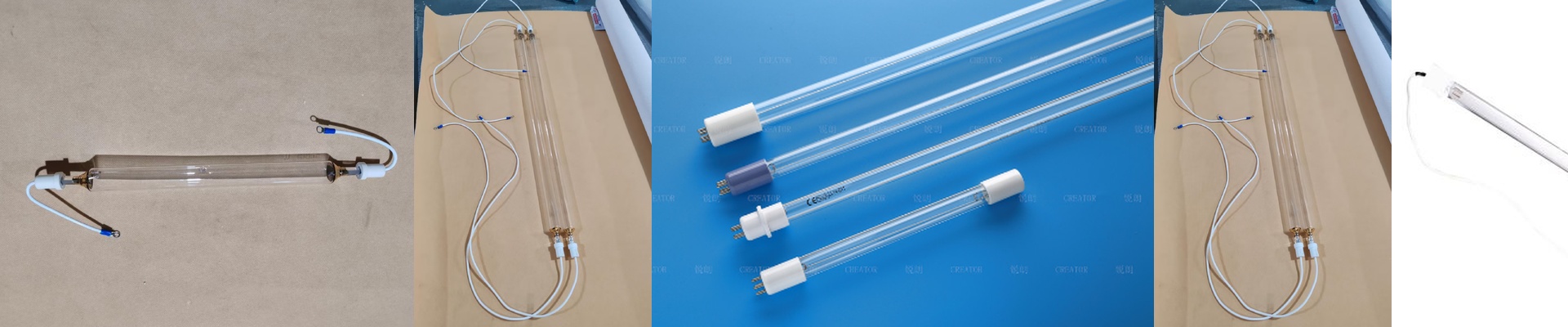
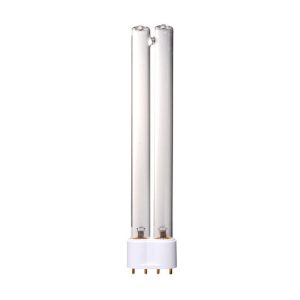
On the line, compliance isn’t paperwork—it’s the engineering gate that decides whether your UVC germicidal lamp ships or gets held in quarantine. For a Mini UVC germicidal lamp with USB, CE marking is the entry ticket into high-value markets, and you earn it by hitting the harmonized standards for electrical safety, EMC, and biocidal product regulation. The technical core is straightforward. The lamp uses a low-pressure mercury vapor source engineered for a dominant 254nm germicidal output, paired with a dichroic-coated quartz sleeve to manage transmission and temperature. The USB isn’t a convenience add-on; it’s a constrained-power interface that demands tight current control, stable voltage tolerance, and EMC discipline to keep field interference out of the equation. CE compliance forces the design to be repeatable—documented thermal limits, verified isolation, and controlled emission profiles—so the unit performs the same in your lab as it does in the customer’s environment. Here is the thing: market access is a performance requirement. Without CE, you can’t legally place the unit in the EU, and distributors in regulated regions won’t stock non-compliant products. With CE, you get credibility in procurement and a clean path into medical, laboratory, and industrial hygiene workflows. You also cut returns tied to safety or interference issues, and you shorten qualification cycles because the compliance evidence is already in hand. One practical constraint: the 254nm output is effective, but direct exposure is hazardous. The system must include interlocks or shielding, and users need training to run it per the instructions—otherwise, compliance doesn’t translate into safe operation.