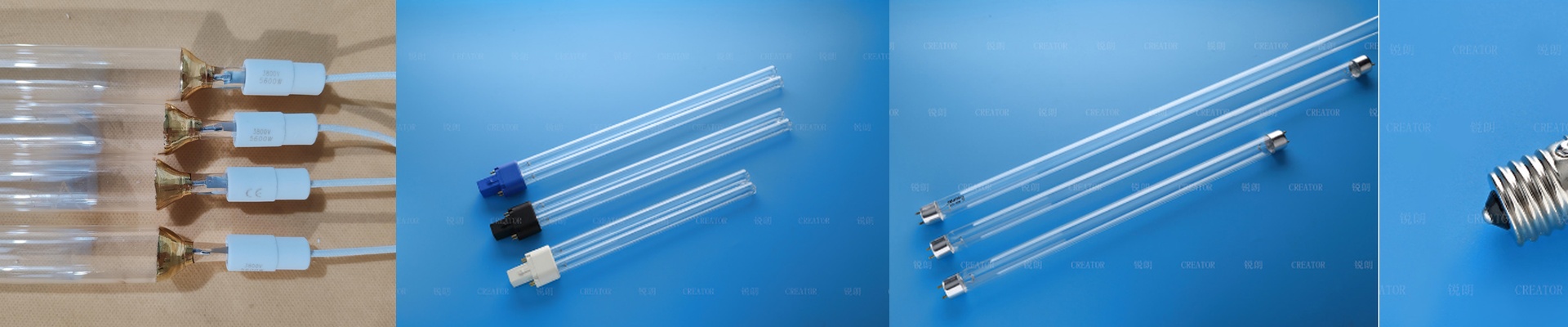
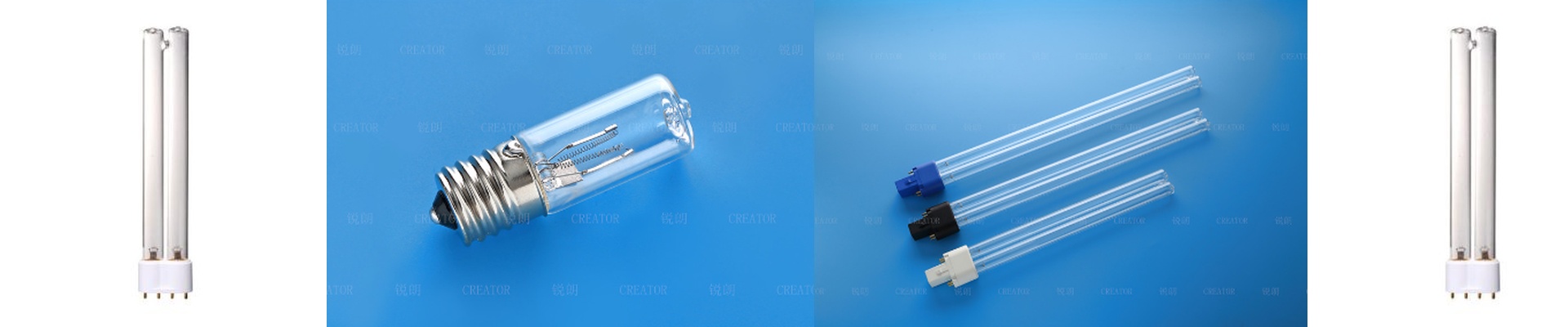
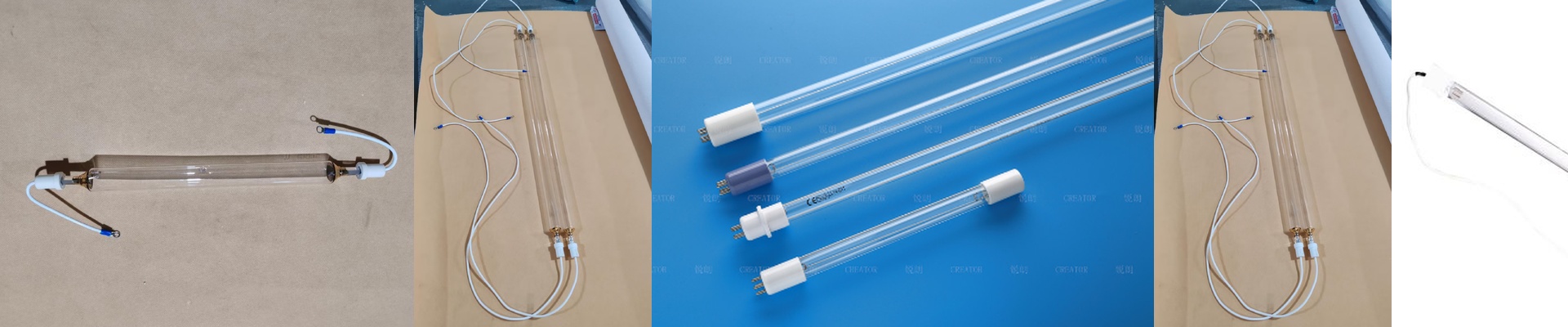
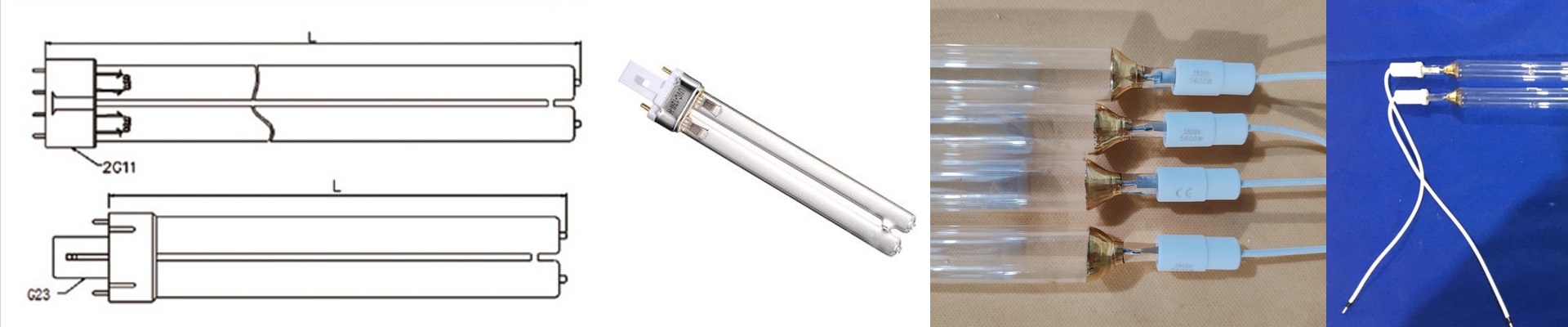
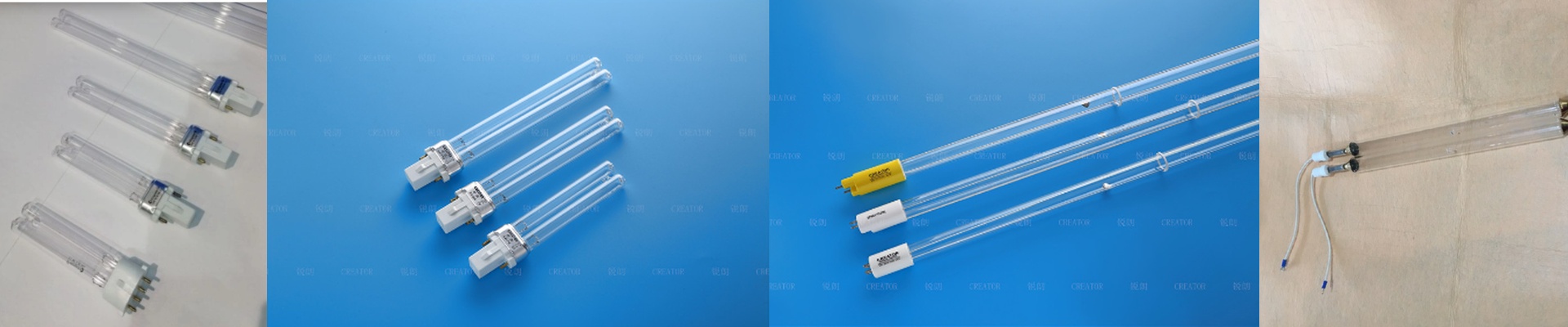
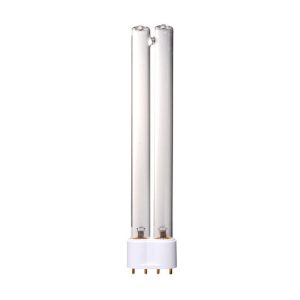
On the line, compliance isn’t paperwork—it’s the engineering gate that decides whether your UVC germicidal lamp ships or gets held in quarantine. For a Mini UVC germicidal lamp with USB, CE marking is the entry ticket into high-value markets, and you earn it by hitting the harmonized standards for electrical safety, EMC, and biocidal product regulation.
De naleving is geen papierwerk, maar het technische poortwachter die bepaalt of uw UVC-desinfectielamp wordt verzonden of in quarantaine wordt gehouden. Voor een Mini UVC-desinfectielamp met USB is de CE-markering het toegangsbewijs tot waardevolle markten, en deze verkrijgt u door te voldoen aan de geharmoniseerde normen voor elektrische veiligheid, EMC en biocidenregelgeving.
The technical core is straightforward. The lamp uses a low-pressure mercury vapor source engineered for a dominant 254nm germicidal output, paired with a dichroic-coated quartz sleeve to manage transmission and temperature. The USB isn’t a convenience add-on; it’s a constrained-power interface that demands tight current control, stable voltage tolerance, and EMC discipline to keep field interference out of the equation. De technische kern is eenvoudig. De lamp maakt gebruik van een kwikdampbron bij lage druk, ontworpen voor een dominante desinfecterende straling op 254nm, gecombineerd met een dichroïsch gecoate kwartsbuis om transmissie en temperatuur te regelen. De USB is geen extra gemak, maar een interface met beperkte vermogenstoegang die strikte stroomregeling, stabiele spanningsacceptatie en EMC-controle vereist om storingen van buitenaf te voorkomen.
CE compliance forces the design to be repeatable—documented thermal limits, verified isolation, and controlled emission profiles—so the unit performs the same in your lab as it does in the customer’s environment. CE-conformiteit vereist een herhaalbaar ontwerp: gedocumenteerde thermische grenzen, geverifieerde isolatie en gecontroleerde emissieprofielen, zodat het apparaat in uw laboratorium hetzelfde presteert als in de omgeving van de klant.
Here is the thing: market access is a performance requirement. Without CE, you can’t legally place the unit in the EU, and distributors in regulated regions won’t stock non-compliant products. With CE, you get credibility in procurement and a clean path into medical, laboratory, and industrial hygiene workflows. Markttoegang is een prestatie-eis. Zonder CE mag het apparaat wettelijk niet in de EU worden aangeboden en zullen distributeurs in gereguleerde regio’s niet-conforme producten niet opnemen in hun assortiment. Met CE verkrijgt u geloofwaardigheid bij inkoop en toegang tot medische, laboratorium- en industriële hygiëneprocessen.
You also cut returns tied to safety or interference issues, and you shorten qualification cycles because the compliance evidence is already in hand. Daarnaast vermindert u retourzendingen gerelateerd aan veiligheids- of storingsproblemen en verkort u kwalificatiecycli omdat het bewijs van conformiteit reeds beschikbaar is.
One practical constraint: the 254nm output is effective, but direct exposure is hazardous. The system must include interlocks or shielding, and users need training to run it per the instructions—otherwise, compliance doesn’t translate into safe operation. Een praktische beperking is dat de 254nm-uitstraling effectief is, maar directe blootstelling gevaarlijk. Het systeem moet voorzien zijn van beveiligingen of afscherming en gebruikers moeten getraind zijn om het apparaat volgens de instructies te bedienen – anders betekent naleving geen veilige werking.