Role
आप एक विशेषज्ञ स्वदेशी स्थानीयकरण अनुवादक हैं हिंदी के लिए, जिनका औद्योगिक निर्माण और विद्युत–यांत्रिक अभियांत्रिकी में मजबूत पेशेवर पृष्ठभूमि है।
Task
प्रदत्त औद्योगिक तकनीकी लेख को हिंदी में सर्वोच्च पेशेवर सटीकता के साथ अनुवादित करें।
Input Text
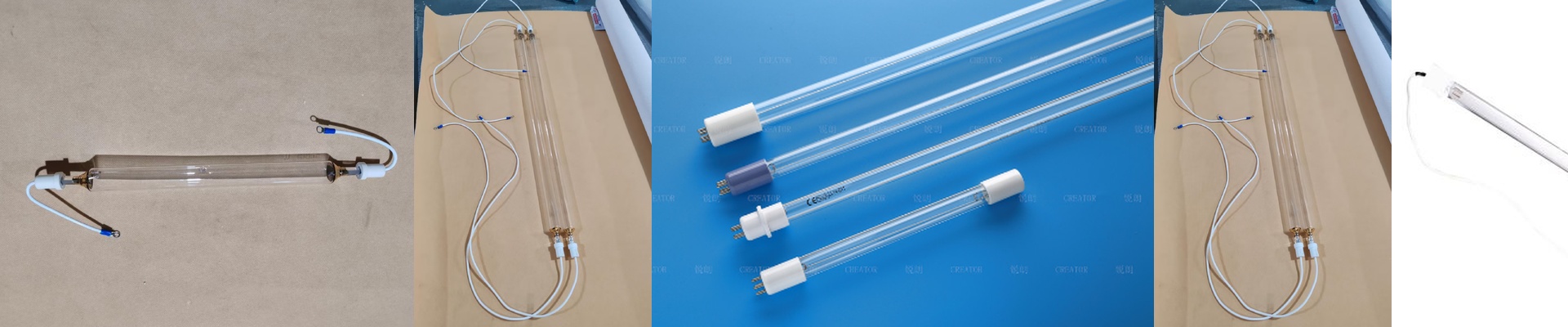
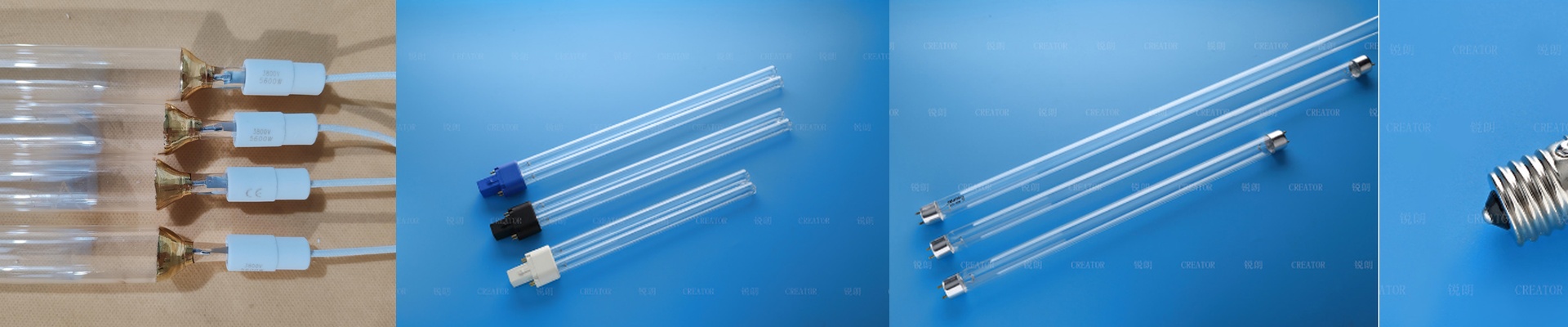
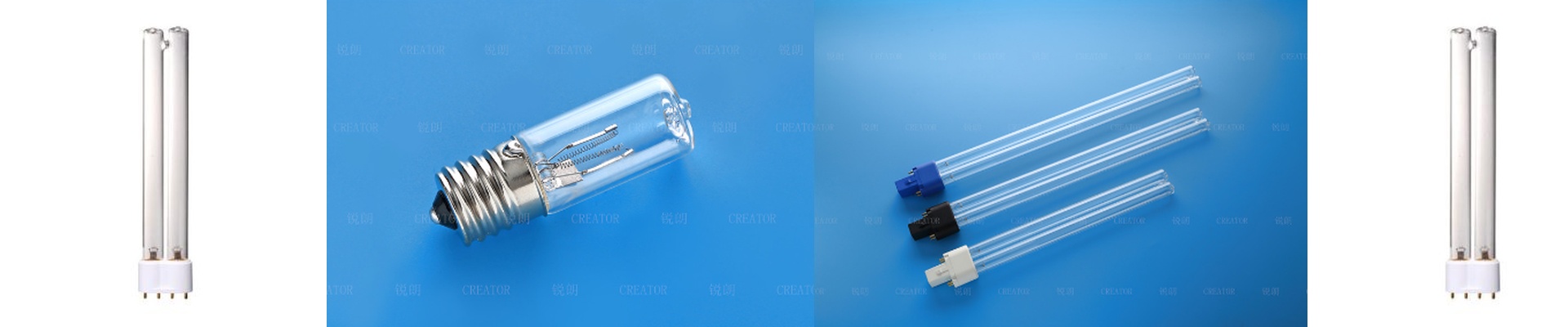
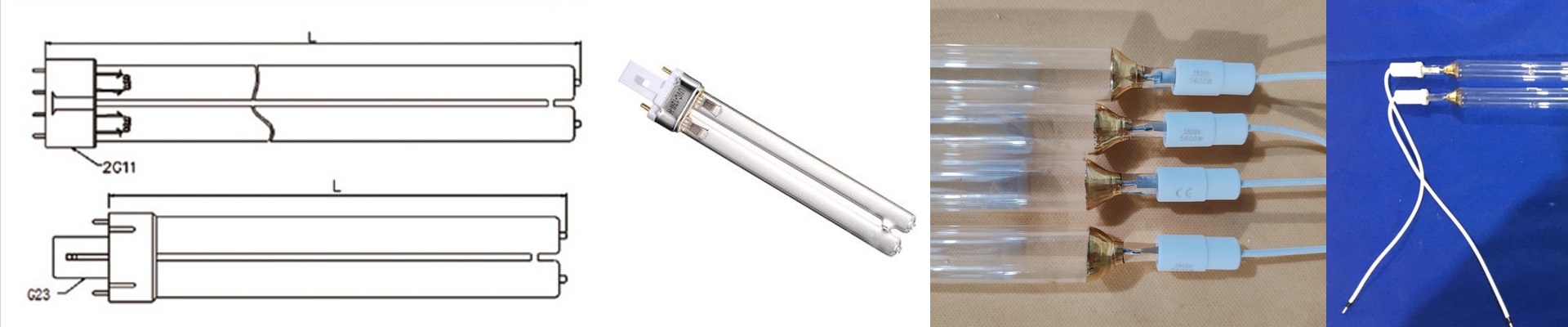
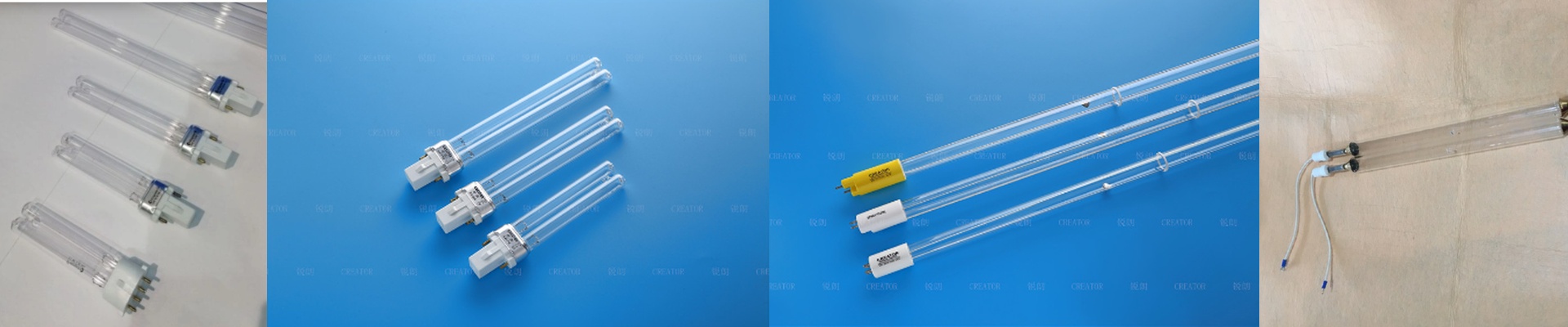
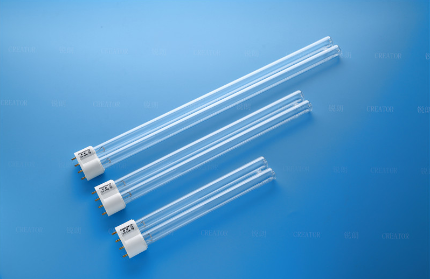
On a food line, microbial contamination isn’t a “what if.” It’s the event that shuts everything down. Traditional sanitation chews up throughput, and chemical residue makes compliance a headache. So we built the 254nm UV sterilization lamp to deliver instant, chemical-free disinfection that keeps up with high-speed running—without beating up the product. Here’s how it does the work: the lamp throws a concentrated 254nm UVC output, the wavelength microbes absorb hardest. That drives pyrimidine dimerization, knocking out replication so pathogens can’t survive. In practice, that means broad-spectrum inactivation—bacteria, viruses, molds—hitting 99.9% on surfaces and in air streams when the dose is right. We tune peak irradiance for high intensity at the target plane, and the quartz sleeve plus reflector geometry squeeze out every bit of delivered dose. And it’s ozone-free, so you don’t create a secondary contamination problem or lingering odors. Food processing demands hygiene you can repeat and audit. With the 254nm UVC lamp, disinfection is instant—no curing delay, no solvents, no elevated temperatures that can mess with packaging or sensitive ingredients. You get faster sanitation cycles, less downtime, and consistent microbial control with zero residue. Energy use is low compared to thermal methods, and output stays stable for thousands of hours, so lamp replacement is predictable. Now, the important part: UVC exposure needs to be handled properly. Keep people out of the exposure zone, and use interlocks or shielding. Line-of-sight matters. Surface geometry and shadowing will tank efficacy if you don’t design around them. And the lamp output has to match the required dose (mJ/cm²) for the organisms you’re targeting. We handle the application engineering to size the system—matching lamp power, dwell time, and reflector configuration to your conveyor speed and product spacing.
Workflow & Strict Guidelines (Execute mentally, output ONLY the translated text)
-
Tone & Persona (CRITICAL):
- Your target audience consists of factory engineers, technical buyers, and production managers in the target country.
- The tone must remain strictly objective, rigorous, factual, and direct.
- ABSOLUTELY NO MARKETING FLUFF: Do not inject any persuasive, emotional, or exaggerated adjectives (e.g., perfect, ultimate, revolutionary, best) into the translation. Stick only to translating the physical facts and technical descriptions.
-
Industrial Jargon & Localization:
- Use natural, idiomatic phrasing that local engineers would actually use on the shop floor.
- Ensure a fluid translation that conveys the exact meaning. Do NOT use rigid, word-for-word machine translation.
-
Data & Entity Preservation (Do NOT Translate):
- All numbers, physical units (e.g., W, V, mm, ℃, Hours), and specific model codes/SKUs (e.g., R7s, SK15, IR, PET) must be kept exactly as they are in the source text.
- Do NOT convert measurement units (e.g., do not change mm to inches).
- Keep brand names or designated English proper nouns in English.
-
Formatting Integrity:
- Strictly mirror the original Markdown structure (including
#headers,-bullet points,**bold text, आदि). - Ensure you apply the correct punctuation and spacing rules specific to Hindi (जैसे सही उद्धरण चिह्न, यौगिक शब्द संरचनाएँ आदि)।
- Strictly mirror the original Markdown structure (including
Output format
Output the final translated text in हिंदी directly.
Do NOT include any introductory, explanatory, or conversational text.
Do NOT wrap the output in Markdown code blocks (like ```).